

Me tensionet në rritje përgjatë kufijve të Evropës, Bashkimi Evropian ka deklaruar se masat e tij të reja mbrojtëse do të ndihmojnë bllokun të përballet me Rusinë dhe kërcënimet e tjera deri në vitin 2030. Por, a është ky një realitet i besueshëm? Dhe sa të përgatitur janë evropianët për një konflikt të mundshëm?
Pushtimi i plotë i Ukrainës nga Rusia, i kombinuar me presionin e vazhdueshëm nga Shtetet e Bashkuara, ka lënë Bashkimin Evropian me një zgjedhje të pakëndshme: të përqendrohet seriozisht në kapacitetin e tij të mbrojtjes dhe sigurisë.
Rreziqet mbeten të larta, pasi nuk ka shenja që lufta në Ukrainë të jetë pranë përfundimit. Në të njëjtën kohë, besimi në aftësitë e Evropës është i ulët, pasi kontinenti duket i cenueshëm dhe jo i përgatitur, si ushtarakisht ashtu edhe diplomatikisht, transmeton Telegrafi.
Angazhimi kryesor i Evropës është mbrojtja e vetvetes, duke vazhduar të mbështesë Ukrainën. Në muajin dhjetor të vitit të kaluar, udhëheqësit e BE-së ranë dakord për një kredi të re prej 90 miliardë eurosh për Ukrainën, ndërsa presidentja e Komisionit Evropian, Ursula von der Leyen, njoftoi iniciativa të reja mbrojtëse në muajin tetor, të cilat i prezantoi si hapa për të forcuar mbrojtjen e Evropës ndaj Rusisë dhe kundërshtarëve të tjerë deri në vitin 2030.
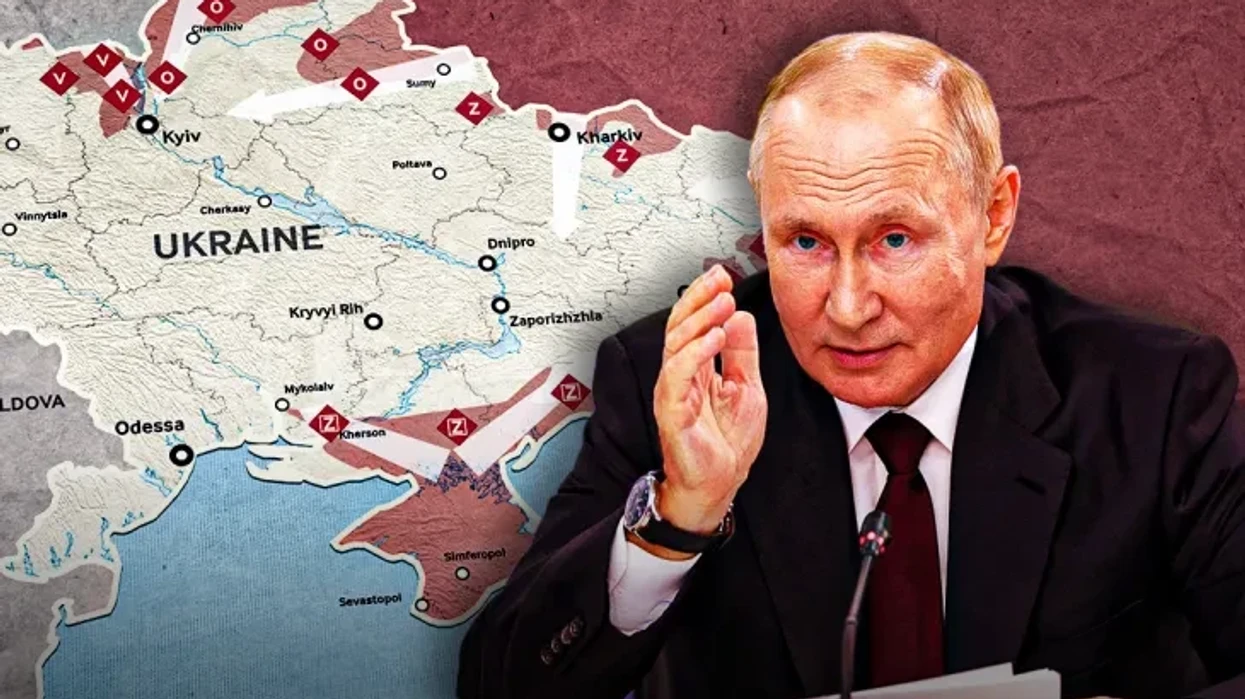
Duke shtuar tensionin, presidenti rus, Vladimir Putin deklaroi më 2 dhjetor se Rusia është e gatshme të luftojë nëse është e nevojshme dhe nuk do të lërë “askënd me të cilin të negociojë”.
Sekretari i Përgjithshëm i NATO-s, Mark Rutte, paralajmëroi se “ne jemi objektivi i radhës i Rusisë” dhe se një sulm ndaj aleancës mund të ndodhë brenda pesë viteve të ardhshme.
Strategjia e sigurisë kombëtare e SHBA-së kritikoi Evropën dhe agjendën e saj, duke e etiketuar si një aleat të dobët. Ministri gjerman i Mbrojtjes, Boris Pistorius, i bëri jehonë paralajmërimeve të historianëve ushtarakë në nëntor, duke deklaruar se “tashmë e patëm verën tonë të fundit të paqes”.
Shqetësimi kryesor është i qartë: evropianët tani besojnë se një sulm rus ndaj NATO-s ose vendeve fqinje është gjithnjë e më i mundshëm, duke krijuar një ndjenjë të fortë urgjence për veprim.
A janë evropianët gati për luftë?
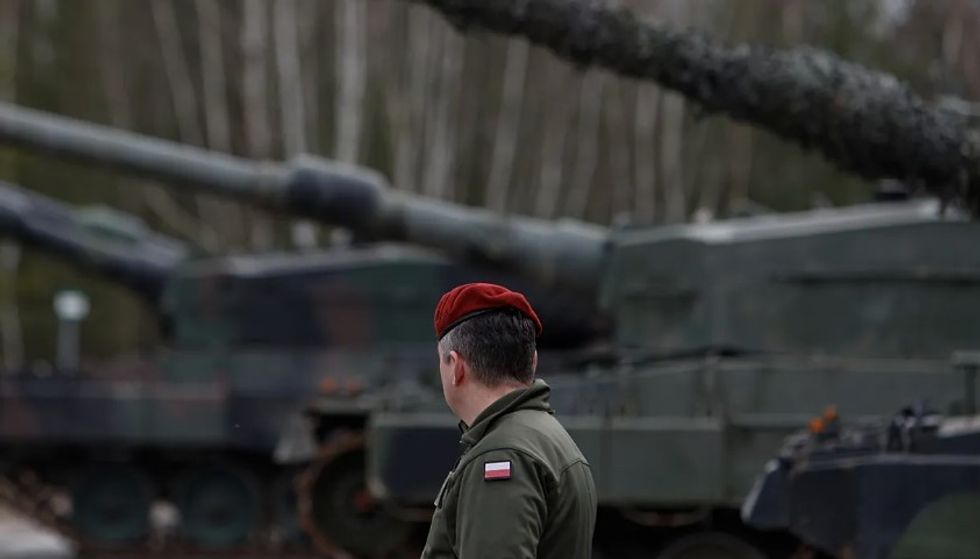
Një sondazh i fundit i Euronews pyeti se “A do të luftonit për kufijtë e BE-së?”. Rezultatet treguan hezitim të madh përballë perspektivës së luftës. Nga 9950 pjesëmarrës, tre nga katër (75 për qind) thanë se nuk do të ishin të gatshëm të merrnin armët. Nëntëmbëdhjetë për qind u shprehën të gatshëm për të luftuar, ndërsa 8% mbetën të pasigurt, duke reflektuar pasiguri për gatishmërinë personale dhe për nivelin e përgatitjes së vendit të tyre për një konflikt të mundshëm.
Një sondazh i YouGov nxori në pah se agresioni rus perceptohet si një nga kërcënimet më të mëdha për Evropën, me 51 për qind në Poloni, 57 për qind në Lituani dhe 62 për qind në Danimarkë që e identifikuan si shqetësimin kryesor. Po ashtu, “konfliktet e armatosura” u renditën si shqetësimi i tretë më i madh mes evropianëve.
Megjithatë, ndërsa udhëheqësit evropianë ndajnë këto shqetësime, janë kryesisht vendet baltike - Lituania, Estonia dhe Letonia - që kanë ndërmarrë hapa më të vendosur. Këto shtete ndodhen në kufirin lindor të NATO-s dhe BE-së dhe kanë një vijë kufitare me Rusinë dhe Bjellorusinë më shumë se 1000 kilometra.
Lituania ka filluar të ndërtojë “mure kundër dronëve” dhe, duke bashkëpunuar me Letoninë, po restaurojnë kënetat si mbrojtje natyrore. Ata kanë nisur gjithashtu fushata kombëtare ndërgjegjësimi, ushtrime për qëndrueshmëri dhe stërvitje televizive për të ndihmuar qytetarët të përgatiten mendërisht për një konflikt të mundshëm.
Vitin e kaluar, Ministria e Brendshme e Lituanisë publikoi harta për strehimore dhe linja emergjence, ndërsa Letonia shtoi një kurs të detyrueshëm kombëtar të mbrojtjes në kurrikulën e arsimit publik. Polonia ndërtoi barriera përgjatë kufijve me Bjellorusinë dhe futi kurse sigurie në shkolla, përfshirë stërvitje në përdorimin e armëve për të rinjtë nga mosha 14 vjeç.
Finlanda dhe Estonia u dërguan familjeve broshura udhëzuese mbi veprimet gjatë luftës, duke rikthyer praktika të Luftës së Ftohtë. Suedia nisi një iniciativë kombëtare në vitin 2025 për të shpërndarë broshura të përditësuara “Nëse Vjen Kriza ose Lufta” në çdo familje. Të tre vendet integruan gjithashtu mbrojtjen në kurrikulat arsimore, me Estonin që prezantoi një kurs të posaçëm kombëtar të mbrojtjes në shkollat e mesme në vitin 2023.
Paralelisht, ka një rritje të dukshme të interesit të qytetarëve për gatishmërinë civile. Në vendet pranë Rusisë, si Finlanda, Estonia, Polonia, Lituania dhe Suedia, kërkimet në Google gjatë pesë viteve të fundit për tema si “çfarë të marr me vete për luftë ose evakuim” dhe “ku janë strehimoret kundër bombave pranë meje?” janë rritur ndjeshëm, duke arritur kulmin në vitin 2025.
Çfarë po bën Brukseli?
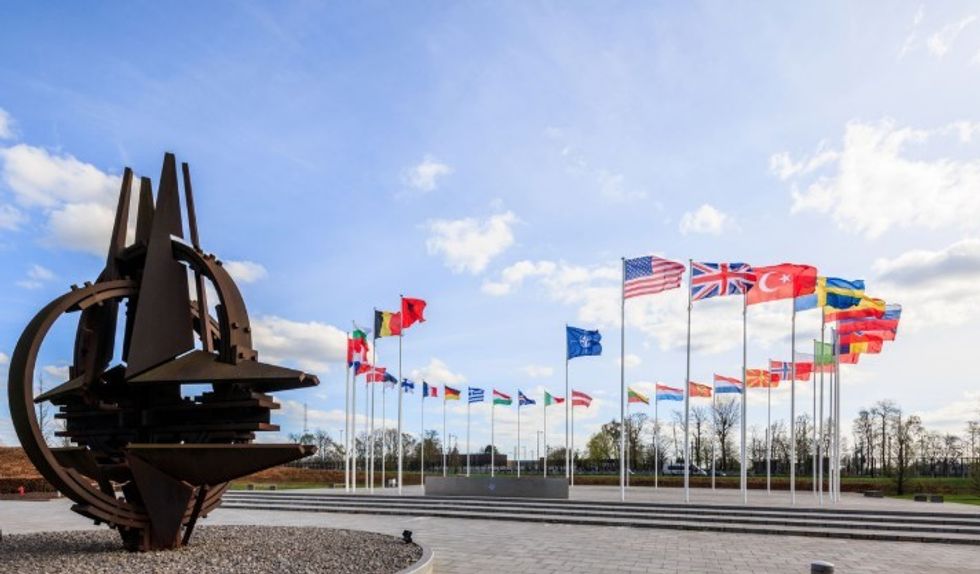
Pavarësisht panikut të mundshëm, qeveritë kombëtare nuk janë të vetmet që veprojnë për të rritur aftësitë mbrojtëse. Në nivelin e BE-së, janë ndërmarrë iniciativa për të përmirësuar kapacitetin e bllokut për një skenar “për çdo rast”.
Buxhetet e mbrojtjes në Evropë janë rritur mbi 300 miliardë euro në vitin 2024. Propozimi i KFSH 2028-2034 i prezantuar nga Ursula von der Leyen ndan 131 miliardë euro shtesë për hapësirën ajrore dhe mbrojtjen - pesë herë më shumë se buxheti paraprak.
Plani “Gatishmëria 2030”, i miratuar nga të 27 shtetet anëtare, synon të mbyllë boshllëqet në aftësi dhe të përshpejtojë reagimin ushtarak, duke mundësuar lëvizjen e trupave dhe pajisjeve brenda tre ditëve në kohë paqeje dhe brenda gjashtë orëve gjatë emergjencave, përmes krijimit të një kuadri “Shengen Ushtarak”.
BE-ja po zhvillon rrjet korridoresh të transportit ushtarak, duke përfshirë rrugë, hekurudha dhe porte të përforcuara për automjete të rënda. Rreth 500 pika infrastrukturore kritike, si ura dhe tunele, janë identifikuar për përmirësim, për të përballuar automjete mbi 60 ton.
Plani synon gjithashtu standardizimin e pajisjeve dhe procedurave logjistike të forcave të armatosura të BE-së, të cilat aktualisht funksionojnë në sisteme të papajtueshme. Kostoja e këtyre përmirësimeve vlerësohet midis 70 dhe 100 miliardë euro, me fonde nga buxhetet kombëtare dhe programet e BE-së, si Programi “Connecting Europe Facility”.
Një nga mjetet kryesore është ReArm Europe, prezantuar në 2025, një platformë qendrore për koordinimin e kapacitetit industrial dhe gatishmërisë së mbrojtjes. Dy mekanizma nën këtë ombrellë janë EDIP, Programi Evropian i Industrisë së Mbrojtjes, dhe SAFE, Zarfi i Financimit të Armatimeve Strategjike.
EDIP ofron 1.5 miliard euro bashkëfinancim për projekte që përfshijnë të paktën tre shtete të BE-së ose dy plus Ukrainën. SAFE ofron një strukturë kredie prej 150 miliardë eurosh për blerje të përbashkëta armësh, duke ulur kostot dhe duke përshpejtuar prokurimin.
Këto iniciativa synojnë bashkimin e burimeve, përmirësimin e negocimeve dhe sigurinë e ndërveprueshmërisë së sistemeve të reja mbrojtëse.
Pse SHBA-të e shtyjnë Evropën drejt riarmatosjes?
Strategjia e sigurisë e administratës së presidentit amerikan, Donald Trump në muajin dhjetor të vitit 2025 kritikoi Evropën si një partner të dobët, duke i kërkuar kontinenti të marrë përsipër pjesën më të madhe të përgjegjësive të NATO-s deri në vitin 2027, përfshirë inteligjencën dhe sistemet raketore.
Në samitin e NATO-s në Hagë, aleatët ranë dakord të investojnë 5 për qind të GDP-së çdo vit në mbrojtje deri në 2035, ndërkohë që kontributet aktuale evropiane janë më të ulëta.
Strategjia e SHBA-së kritikonte gjithashtu politikat evropiane mbi migracionin, lindshmërinë, lirinë e fjalës dhe mbështetjen ndaj Ukrainës.
Qëllimi i Uashingtonit është normalizimi i marrëdhënieve me Rusinë ose “rivendosja e stabilitetit strategjik”, duke e paraqitur Rusinë jo si një aleat, por as si kundërshtar të qartë.
Zyrtarët evropianë, si Valdis Dombrovskis, Antonio Costa dhe Kaja Kallas, refuzuan këtë kritikë, duke theksuar vendosmërinë e BE-së për të vepruar pavarësisht paralajmërimeve të SHBA-së dhe duke mbrojtur vendimet demokratike të brendshme.
Sfidat e mbrojtjes evropiane
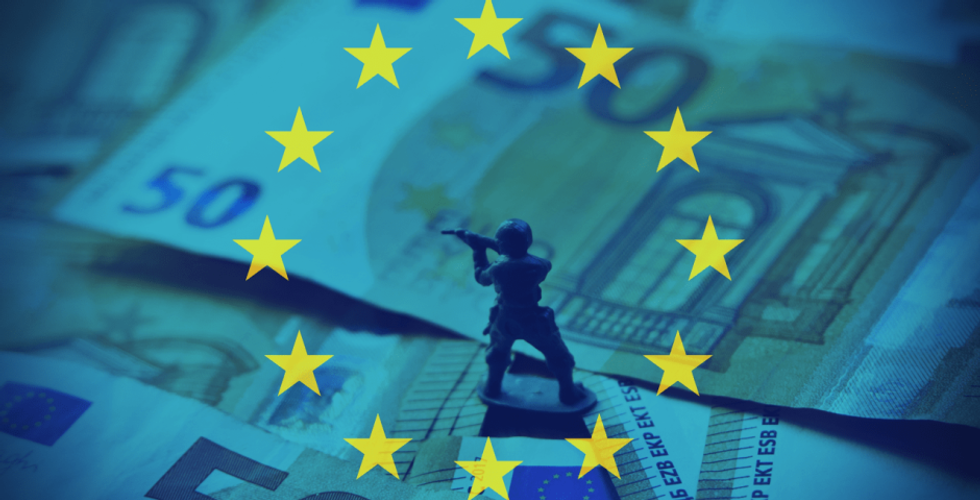
Megjithëse Evropa po riarmatoset, ekspertët paralajmërojnë se urgjenca politike nuk mjafton. Seamus Boland, president i Komitetit Ekonomik dhe Social Evropian, vuri në dukje se Evropa mbetet një objektiv i lehtë për diktaturat, pasi nuk është e detyruar të jetojë sipas të njëjtave standarde si vendet autokratike.
Pengesat strukturore vazhdojnë të kufizojnë përpjekjet mbrojtëse, siç theksoi Thomas Regnier nga Sovraniteti i Teknologjisë dhe Mbrojtjes. Komisioni po përshpejton ndryshimet me rregullore “mini-omnibus” dhe plane më të gjera, për të shkurtuar vonesat në prodhim dhe për të përshpejtuar prokurimin.
Industria e mbrojtjes në Evropë është konkurruese, por e fragmentuar. Koordinimi më i thellë është thelbësor për financimin, zhvillimin, prodhimin dhe mirëmbajtjen e kapaciteteve mbrojtëse. SAFE dhe mekanizma të tjerë synojnë të përshpejtojnë prokurimin e përbashkët dhe të zvogëlojnë varësinë nga furnizuesit jashtë BE-së, duke siguruar “përdorim të pavarur” të pajisjeve mbrojtëse evropiane.
Planet e SAFE përfshijnë 691 projekte, me fokus kryesor prokurimin e përbashkët për mbrojtjen ajrore, raketore, dronët, sistemet anti-dronë dhe aftësitë detare, me një financim paraprak prej deri në 22.5 miliardë euro që mund të lirohet në mars 2026.
Afatet kohore janë të ngushta. Evropa duhet të modernizojë industrinë e mbrojtjes, të mbështesë Ukrainën dhe të përgjigjet ndaj paralajmërimeve të sigurisë nga NATO dhe SHBA.
Suksesi do të varet nga bashkëpunimi i thellë, mbyllja e boshllëqeve në aftësi dhe ruajtja e mbështetjes për Ukrainën. Në këtë mjedis të definuar nga urgjenca, sfida për Evropën nuk është nëse duhet të veprojë, por nëse mund të veprojë mjaftueshëm shpejt. /Telegrafi/