

Pas sulmit rus në Ukrainë, shumë banka perëndimore u tërhoqën nga Rusia. Institucionet financiare kineze kanë nxituar ta zënë këtë boshllëk duke katërfishuar angazhimin e tyre.
Derisa institucionet financiare perëndimore janë tërhequr nga Rusia për shkak të sulmit ndaj Ukrainës, bankat kineze kanë vënë në dispozicion të Rusisë dukshëm më shumë para. Sipas llogaritjeve të Shkollës Ekonomike të Kievit për Financial Times, kredia e Kinës për sektorin bankar rus është katërfishuar deri në fund të marsit 2023.
Banka Industriale dhe Tregtare e Kinës (ICBC), Banka e Kinës, Banka e Ndërtimit të Kinës dhe Banka Bujqësore e Kinës rritën angazhimin e tyre të përbashkët ndaj Rusisë me 2.2 miliardë dollarë brenda 14 muajve pas nisjes së sulmit rus ndaj Ukrainës, duke arritur në 9.7 miliardë dollarë. Vetëm ICBC dhe Banka e Kinës kanë vënë në dispozicion rreth 8.8 miliardë dollarë.
Sanksionet perëndimore po japin rezultate
Huadhënësit kinezë kanë zënë vendin e bankave perëndimore që nuk mbështesin më Rusinë për shkak të sanksioneve ndërkombëtare dhe presionit nga vendet e tyre.
"Kreditë e dhëna nga bankat kineze për bankat dhe institucionet e kreditit ruse, ku juani zë kryesisht vendin e dollarit dhe euros, tregojnë se sanksionet po funksionojnë", tha Andrii Onopriienko, zëvendësdrejtor i Zhvillimit në Shkollën Ekonomike të Kievit.
Megjithatë, disa institucione në Evropë mbeten aktive.
Banka austriake Raiffeisen, për shembull. Kjo bankë, më e përkushtuarara ndaj Rusisë i ka rriti aktivet e saj me më shumë se 40 për qind deri në fund të marsit të këtij viti, në 29.2 miliardë dollarë. Por që atëherë ky institucion financiar i ka reduktuar asetet e tij në 25.5 miliardë dollarë dhe tani po kërkon mundësi për t'u tërhequr nga Rusia.
Kina dëshiron të thyejë dominimin e dollarit
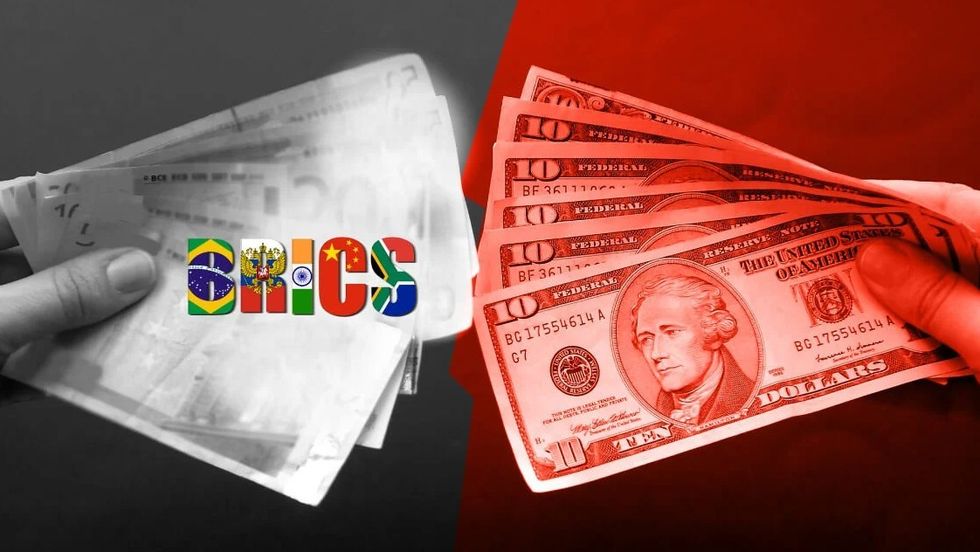
Lëvizjet e katër bankave më të mëdha të Kinës ndërkohë janë pjesë e përpjekjeve të Pekinit për të promovuar juanin si një monedhë alternative botërore ndaj dollarit, raportoi Financial Times.
Pjesa e juanit në trafikun botëror të pagesave është vetëm 2.5 për qind. Për krahasim, sipas SWIFT, kompania botërore e telekomunikacionit financiar, pesha e dollarit është 39.4 për qind dhe ajo e euros me 35.8 për qind.
Në planin për të kufizuar këtë dominim të monedhave perëndimore, transaksionet me Rusinë në monedhën kineze synohet të luajnë një rol. Tregtia midis Rusisë dhe Kinës arriti një rekord prej 185 miliardë dollarësh vitin e kaluar. Juani tani përbën një pjesë prej 16 për qind të asaj shume, sipas gazetës.
Sipas Bankës Qendrore të Rusisë, para luftës në Ukrainë, më shumë se 60 për qind e eksporteve paguheshin ende në monedha që autoritetet e vendit sot i përshkruajnë si "toksike". Këto përfshijnë dollarin dhe euron. Juani, nga ana tjetër, përbënte më pak se një për qind. /Deutsche Welle/