

Sekreti për rroba më të freskëta, më të buta dhe me aromë më të gjatë
Përdorimi i rregullt i zbutësit gjatë larjes u jep rrobave freski dhe aromë të këndshme, si dhe i mbron nga procesi i plakjes. Në këtë mënyrë, veshjet tuaja të preferuara duken si të reja dhe zgjasin shumë më gjatë.
Zbutësi i rrobave është një tretësirë ujore e substancave sipërfaqësore kationike, me përbërës organikë dhe inorganikë. Substancat kationike përdoren në sasi të vogla dhe kanë funksionin e zbutjes. Ato dallohen sipas aromës dhe përqendrimit.
Zbutësi i jep tekstilit freski, aromë të këndshme dhe butësi në prekje. Përveç kësaj, mbron materialin nga humbja e formës dhe zbehja e ngjyrës. Ka edhe efekt antistatik dhe e lehtëson hekurosjen.
Si vepron zbutësi?
Parimi i veprimit të zbutësit është i ngjashëm me balsamin për flokë. Përbërësit kryesorë, substancat kationike dhe silikoni, pas larjes “fiksohen” në fijet e tekstilit dhe formojnë një shtresë mbrojtëse.
Kjo shtresë parandalon grumbullimin e gëlqeres, zbehjen e ngjyrës, si dhe degradimin e fibrave si pasojë e ujit të fortë, fërkimit mekanik në rrobalarëse apo përdorimit gjatë veshjes. Si rezultat, rrobat ruajnë më gjatë pamjen fillestare, janë më të lehta për t’u hekurosur dhe nuk grumbullojnë elektricitet statik, transmeton Telegrafi.
Zbutës i koncentruar apo i zakonshëm?
Zbutësi i koncentruar është një version më i avancuar që dozohet në sasi më të vogla, por ofron mbrojtje më të mirë për tekstilet dhe është më ekonomik për të njëjtën sasi rrobash.
Nga këndvështrimi ekologjik, zbutësi i koncentruar është gjithashtu zgjedhje më e mirë, sepse për prodhimin e tij shpenzohen më pak burime natyrore, veçanërisht ujë. Transporti i produkteve të koncentruara kërkon më pak logjistikë, duke ulur emetimin e dioksidit të karbonit. Për shkak të konsumit më të vogël, përdoret edhe më pak ambalazh plastik, çka kontribuon shtesë në mbrojtjen e mjedisit.
Është e rëndësishme të theksohet se zbutësi duhet përdorur edhe gjatë larjes në temperatura të ulëta. Larja në 30 °C dhe më poshtë është më e butë për tekstilet dhe ndihmon në ruajtjen e shtresës së ozonit, sepse kursen energjinë që do të shpenzohej për ngrohjen e ujit, duke reduktuar emetimin e gazrave serrë.
Si të përdoret saktë zbutësi?
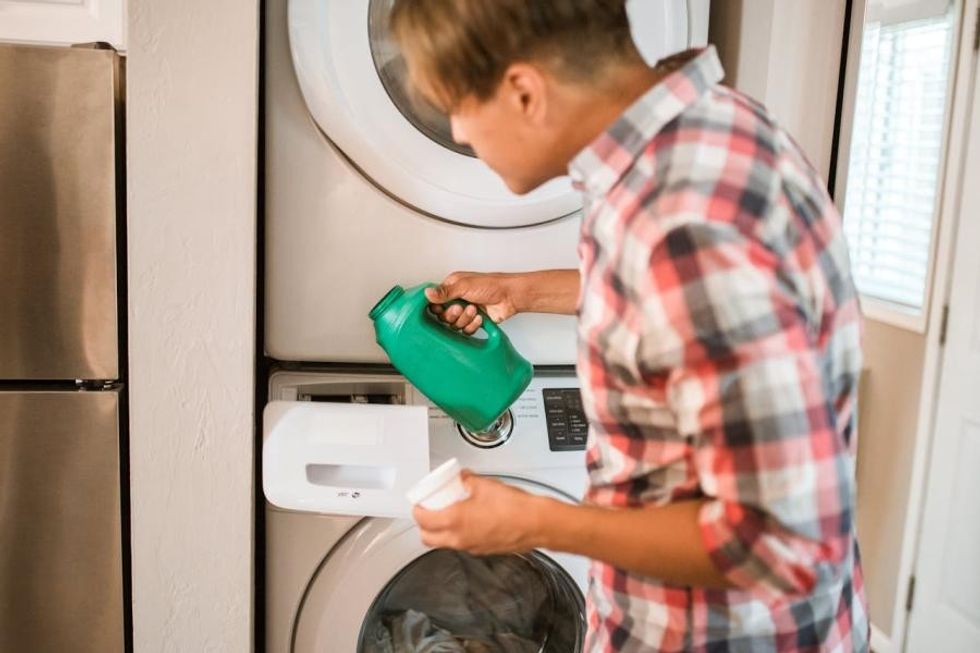
Zbutësi fillon të veprojë vetëm në fazën e shpëlarjes, në fund të ciklit të larjes, prandaj është e rëndësishme ta hidhni në ndarjen e posaçme të sirtarit të rrobalarëses.
Rregulli i artë është t’i përmbaheni udhëzimeve në paketim dhe dozimit të saktë. Për shembull, për 4–5 kg rroba rekomandohen 35 ml zbutës - një kapak. Nëse vendosni shumë pak, efekti do të mungojë; nëse vendosni tepër, zbutësi nuk do të shpëlahet plotësisht dhe rrobat mund të mbeten të pakëndshme në prekje.
Zbutësi është i përshtatshëm për një gamë të gjerë materialesh moderne. Përjashtim bëjnë materialet prej leshi, si flisi, kadifeja, shenili dhe frotiri.

A është e sigurt përdorimi i zbutësit nëse jeni alergjik?
Nëse vuani nga alergjitë, zgjidhni zbutës me shenjën “dermatologjikisht i testuar” dhe kombinojini me detergjent hipoalergjik, mundësisht të certifikuar nga Qendra Evropiane për Kërkimin e Alergjive (ECARF).
Për personat me lëkurë të ndjeshme, përdorimi i zbutësit është veçanërisht i rëndësishëm, sepse zvogëlon parehatinë gjatë veshjes dhe e bën tekstilin më të butë.
Megjithatë, mbani parasysh se mund të ketë intolerancë individuale ndaj disa përbërësve. Kjo vlen për gjithçka me të cilën biem në kontakt, përfshirë edhe zbutësit. Nëse, për shembull, jeni të ndjeshëm ndaj një aromë të caktuar, lexoni me kujdes përbërjen e produktit dhe sigurohuni që të mos përmbajë komponentë problematikë. /Telegrafi/