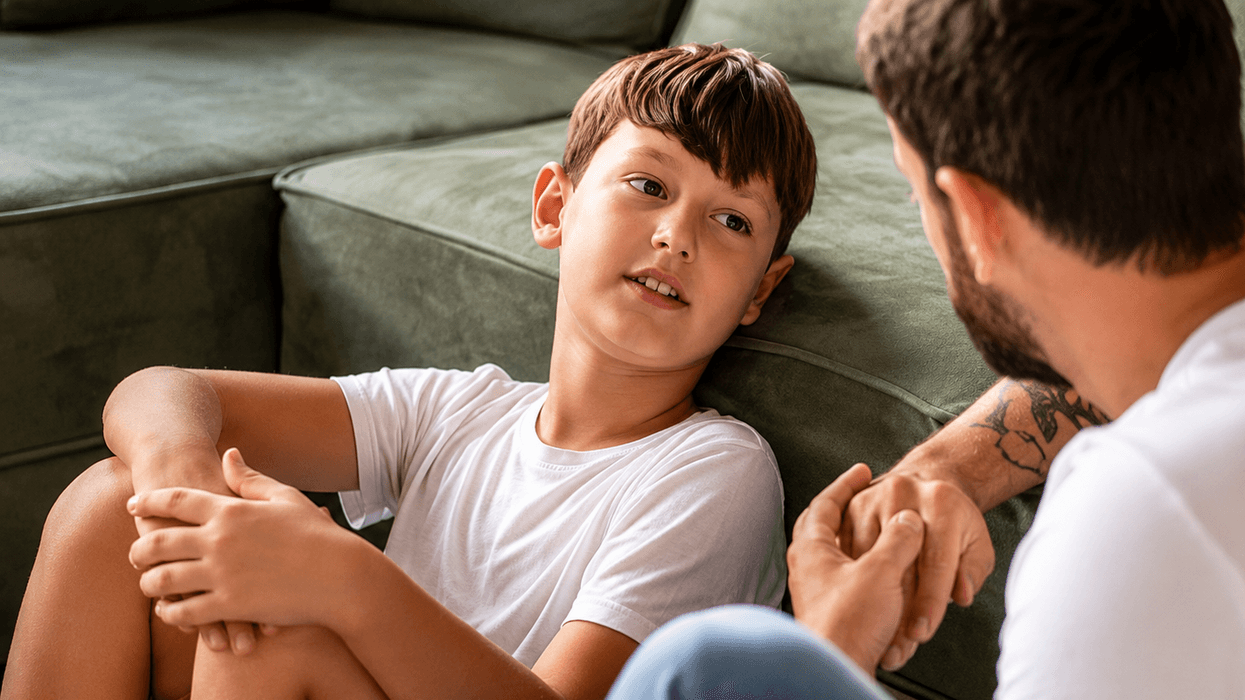


Edhe pse shumë herë do të dëgjoni që më mirë është t’i lini fëmijët që vetë të zgjidhin grindjen, ka situata në të cilat është e domosdoshme të reagoni
Shumë prindër janë të gatshëm të ndërhyjnë në grindjen e fëmijëve, por shpesh do të dëgjoni këshillën që më mirë është t’i lini fëmijët vetë të zgjidhin konfliktin.
Konfliktet dhe grindjet ndërmjet fëmijëve gjatë lojërave mund të jenë momente mësimi në të cilat fëmijët mësojnë për empatinë dhe zhvillojnë shkathtësitë shoqërore të cilat u ndihmojnë të kenë miq në të ardhmen, shkruan ”Fatherly”, përcjell Telegrafi.
Intervenimi i prindërve në konflikt nuk është gjithmonë një zgjedhje e mirë, por ekzistojnë momente kur është e domosdoshme që të ndërhyjnë prindërit.
– Prindërit apo cili do person tjetër i rritur gjithmonë duhet të ndërhyjë në konflikt nëse shohin që ka shenja keqtrajtimi – thotë Holly Shchiffrin, profesor i Psikologjisë në Universitetin Mary Washington.

Sjellja e dhunshme mund t’i shkaktojë dëm fëmijës tjetër, posaçërisht nëse ka dallim në forcë - dhunuesi është më i rritur dhe me moshë më të madhe.
Nëse ekziston çfarëdo rreziku fizik, prindërit duhet “të ndërhyjnë” në konflikt dhe të mbrojnë fëmijën e tyre dhe të parandalojnë t’i rrezikojnë të tjerët – thotë psikologu.
– Kur fillon një konflikt, më mirë është t’i lini fëmijët të provojnë ta zgjidhin vetë problemin. Nëpërmjet këtyre përvojave të hershme fëmijët mësojnë shkathtësinë me ndihmën e komunikimit me të tjerët dhe zgjidhin problemet.
Prindërit kur shohin që konflikti për përkeqësohet, është koha që të ndërhyjnë.
Është mirë që ata të kenë një qasje të tillë në të cilën do t'i bëjnë fëmijët të paraqesin rastin e tyre dhe gjithashtu mendimin e tyre për të zgjidhur këtë konflikt. Gjithashtu, një prind mund të ofrojë një zgjidhje për një situatë të diskutueshme - thotë Shchiffrin.
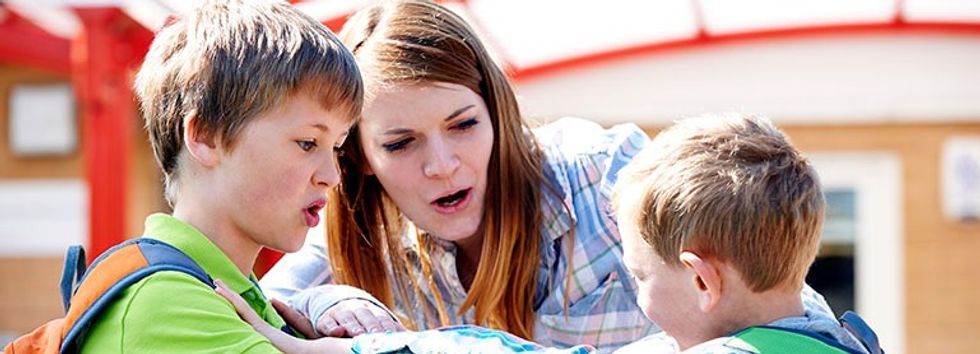
Ja si të ndërhyni nëse ndodh një konflikt në shesh lojërash:
• Nëse nuk janë në rrezik fizik, përpiquni t'i lini fëmijët ta zgjidhin vetë konfliktin
• Nëse përshkallëzohet, afrojuni fëmijëve për të folur
• Lëreni secilin të tregojë anën e tij të historisë me fjalët e veta
• Ndihmojini të gjejnë një zgjidhje
• Mos impononi zgjidhjet tuaja
• Kthejini ata në lojë dhe mos shfaqni zemërim
Është e rëndësishme të inkurajohet zgjidhja konstruktive e konflikteve tek fëmijët. Ata duhet të mësojnë se mund të luftojnë dhe të jenë ende miq.
Fëmijët nga konfliktet mund të mësojnë gjithashtu si të ngrihen për veten e tyre, të shprehin pozicionin e tyre, të debatojnë, të pranojnë argumentet e njerëzve të tjerë, si t'u japin të tjerëve të drejtën të mendojnë ndryshe dhe si ta rikthejnë marrëdhënien në ekuilibër. /Telegrafi/