


Në këtë vend, banorët duhet të mbështillen me disa shtresa rrobash përpara se të dalin jashtë dhe temperaturat arrijnë nivele të ulëta të padurueshme.
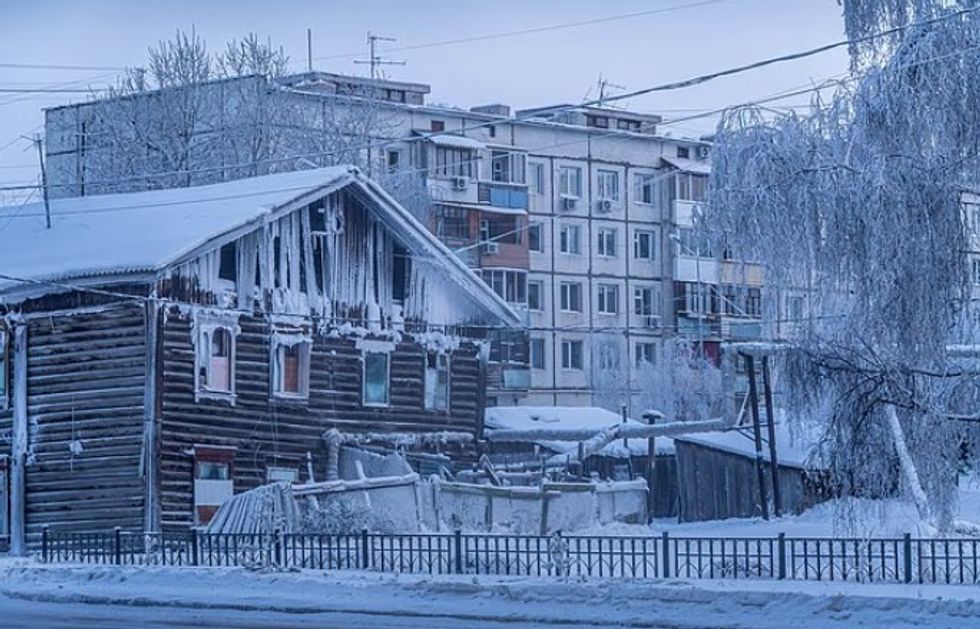
Bëhet fjalë për Yakutsku që ndodhet në Siberi, Rusi, dhe njihet zakonisht si qyteti më i ftohtë në botë.
Rreth 355,000 njerëz e quajnë Yakutskun shtëpi të tyre dhe shumë banorë punojnë në minierat e diamanteve.
Gjatë dimrit, vendi bëhet akull i ftohtë dhe më 5 shkurt 1891, u regjistrua një temperaturë rekord prej -64.4°C, shkruajnë mediat e huaja, përcjell Telegrafi.
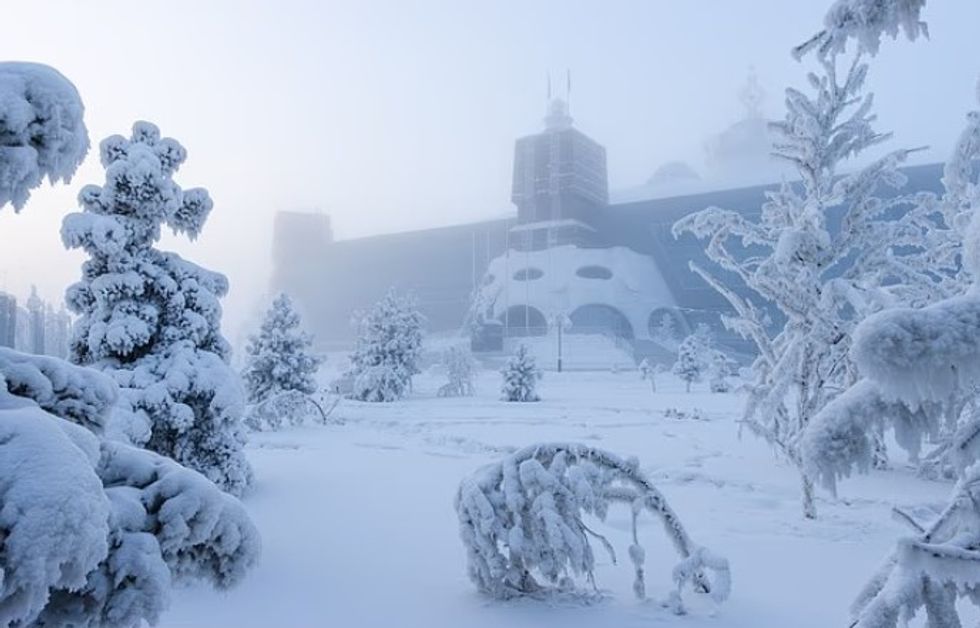
Qyteti sheh pak rrezet e diellit gjatë muajve të dimrit, dhe në janar ekspozohet vetëm ndaj më pak se katër orësh dritë çdo ditë.
Dhe më parë këtë muaj, vendasit u goditën me temperatura -45°C.
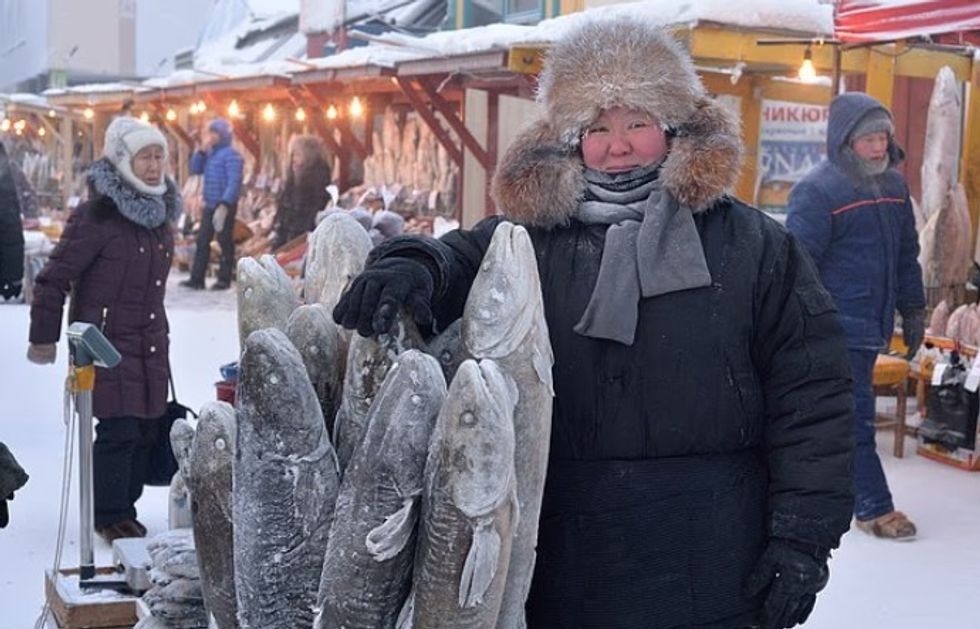
Pavarësisht temperaturave të ulëta, banorët në qytetin siberian vazhduan jetën si normalisht, megjithëse shkollat thuhet se nuk u hapën.
Për t'i bërë ballë temperaturave të ftohta, njerëzit duhet të mbështillen me 10 kilogramë rroba, sipas një faqeje në mediat sociale, e cila ndau një video rreth qytetit.
Ushqimi vendas përbëhet kryesisht nga mishi dhe peshku, pasi pak bimësi mund t'i mbijetojë motit të ftohtë.
- YouTube www.youtube.com
Edhe YouTuber-ja Kiun B. u rrit në Yakutia dhe ndan në internet se si njerëzit në qytetin e saj të lindjes i mbijetojnë kushteve të vështira.
"Është absolutisht e domosdoshme të veshësh disa shtresa rrobash", shpjegoi ajo në një klip të mëparshëm, duke vënë në dukje se "gjunjët janë veçanërisht të prirur ndaj ngrirjes në një të ftohtë kaq ekstrem".
Motra e Kiun, Dayana, tregoi se si vishet ajo për ditën, duke filluar me një bluzë me jakë të rrumbullakët dhe geta. Pastaj shtoi një palë pantallona leshi.
Për të mbajtur këmbët ngrohtë, ajo zgjodhi çizme tradicionale të bëra nga lëkura e drerëve.
"Gratë në Yakutia zakonisht kanë dy pamje", thotë YouTuber-ja. "Njëra është më femërore me pallto leshi... Një tjetër është më e rastësishme me një xhaketë, e cila të mban shumë ngrohtë, dhe ato janë më të lira se një pallto leshi".
Palltoja me gëzof e Dayanas kushtonte 3,000 dollarë (rreth 2750 euro) krahasuar me pallton e saj me lëkurë të butë, e cila kushtonte vetëm 500 dollarë (rreth 450 euro).
Në të dyja rastet, ajo e kompletoi pamjen e saj me një kapelë prej 300 dollarësh (rreth 275 euro) të bërë nga gëzofi i dhelprës arktike.
Kiun shpjegoi se ato të thurura 'thjesht nuk janë mjaftueshëm të ngrohta për dimrin vendas'.
Përveç mbulimit të kokës, ajo vesh edhe doreza dhe mbulon plotësisht fytyrën.
“Përndryshe, pjesët e ekspozuara mund të ngrijnë”, shton ajo.
Veç kësaj, tezgat e tregut në dimër nuk kanë nevojë për frigoriferë për të mbajtur prodhimet të freskëta për shkak të motit të akullt.
Gjithashtu, temperaturat ekstreme nënkuptojnë që vendasit shpesh i mbajnë makinat e tyre ndezur ose të mbuluara në mënyrë që të mos ngrijnë.
Megjithatë, moti ngrohet çuditërisht në verë dhe arrin temperatura deri në 26°C mesatarisht në korrik. /Telegrafi/