


Nga Floresha Dado
Drejtpërdrejtë, apo tërthorazi, historia është bërë shpesh nxitëse e krijimtarisë së mjaft autorëve. Në disa prej romaneve të Mira Meksit historia hyn me autoritet të drejtpërdrejtë, sa frymëzuese, aq edhe shkak provokimi për të rrokur kuptimin e veprës. Sigurisht, e përfshirë në një strukturë specifike të letërsisë, ajo mbart në vetvete një konvencion, që rimerret për t’i shërbyer një synimi ideor… Dihet se kur ngjarjet i përkasin një sfondi historik ato nuk riprodhohen në rrjedhën e tyre origjinale; risillen ndryshe, duke qenë e vetëdijshme autorja se mund të bëhen “të diskutueshme” lidhur me autenticitetin e tyre, të dyshueshme në raport me realen. Teoria ka përcaktuar se një ngjarje cilësohet si “historike” atëhere kur është e prekshme, e ndjeshme në procesin e rrëfimit të saj. Këtë specifikë thelbësore e realizon romani i ri “Ikona e plagosur”, i cili kalon në dy shekuj : në të sotmin dhe shekullin XVI, duke formësuar artistikisht një tematikë të jashtëzakonshme, të patrajtur në letërsinë tonë. Mrekullisht mpleksen në të fakte historike, personazhe ikonë të historisë sonë, si Donika Kastrioti… ngjarje të pasardhësve të Skënderbeut…
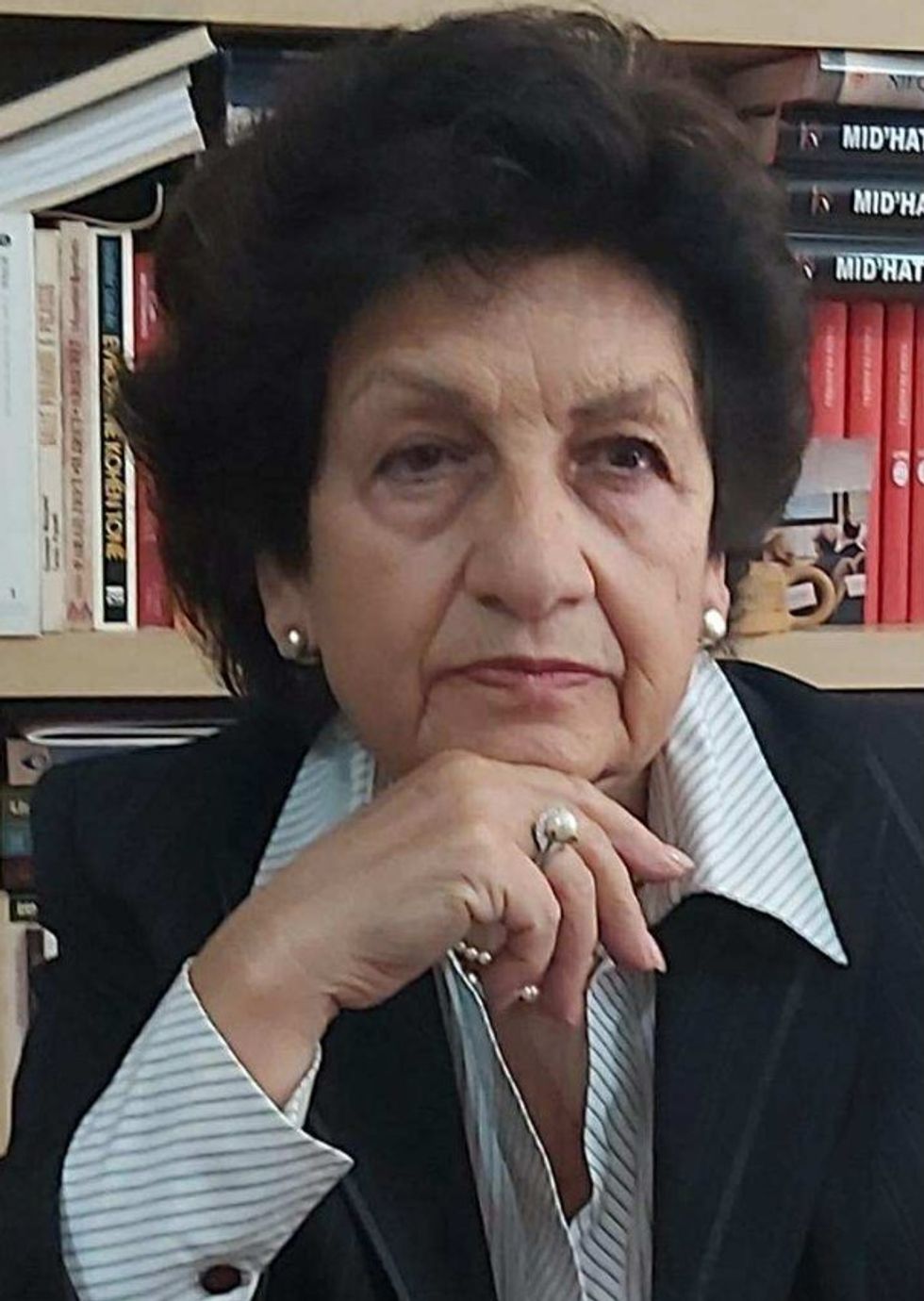 Floresha Dado
Si lindi ky frymëzim artistik ? Konstatimi, në një studim shkencor, mbi ekzistencën e një Ikone bizantine, pronë e Donika Kastriotit, që ruhej në Manastirin Mbretëror të Trinisë së Shenjtë në Valencia të Spanjës, trazoi mëndjen e prozatores Mira Meksi, e futi atë në një botë sa të komplikuar, aq magjike dhe emocionuese, dhe mbas leximeve pafund të dokumenteve, studimeve të autorëve të huaj dhe shqiptarë, u formësua, gradualisht, në imagjinatën e saj një ngrehinë e jashtëzakonshme artistike, e cila mbart brenda saj fakte historike për dukuri të patrajtuara në letërsinë tonë, dhe ide të një rëndësie të veçantë për identitetin dhe madhështinë e familjes së Kastriotëve. Pasioni i trajtimit të historisë së kësaj Ikone të Kastriotëve do ta nxiste përfytyrimin e saj në ndriçimin e figurës pak të njohur, Donikës, gruaja e heroit kombëtar, për të shkuar, edhe më tej, në “kërkimin artistik’’ të vendit ku u rivarrosën eshtrat e Skënderbeut. Kështu lindi romani “Ikona e Plagosur”, një krijim që dëshmon nivel të ri në procesin krijues të Mira Meksit.
“Kurth” për historianin
Si ndryshon dhe si koincidon sistemi letrar me historicitetin (ç’ka është shumë e rëndësi shme për të kuptuar thelbin e romanit). A është ky thjesht roman historik ? Dhe, më thelbësore : a është problematik raporti midis së vërtetës historike dhe trajtimit të saj në këtë vepër letrare ? Këto janë çeshtje që përfshijnë, mbi të gjitha, kuptimin dhe dallimin e natyrës së historisë dhe të letërsisë, raportin midis tyre. Çeshtja në radhë të parë do të shqetësonte historianin tonë.
Historia nuk është vetëm ajo e realitetit konkret; është gjithashtu ajo e ideve, e ndjenjave, e ëndrrave…Dallimi midis historisë dhe letërsisë ngushtohet, mbushet kur interpretimi ynë nuk e sheh veprën si pasqyrim të një procesi thjesht historik, por më tepër si zbulim të historisë në rrjedhën e poetikës letrare. Kjo do të thotë se kuptimi i karakterit historik të veprës kërkon perceptimin e saj si konfirmin të sistemit letrar, çka do të thotë, gjithashtu, se karakteri historik nuk duhet parë thjesht në përputhjen besnike të veprës me realen historike. Sipas studiuesit të njohur Todorov historia është një konvencion, nuk ekziston në nivelin e ngjarjeve në vetvete….Historia është një abstraksion, megjithëse është gjithnjë e perceptuar dhe e treguar nga dikush, ajo nuk ekziston “në vetveten e saj”. Kjo tezë tërheq vemendjen në një konceptim më të thellë të kuptimit të histories, kur ajo risillet në një vepër letrare. Si sistem i krijuar nga simbole, vepra kuptohet në tërësinë njohëse të një historie, por duke kërkuar një mënyrë tjetër leximi. Edhe në vlerësimin e këtij romani, trillimi është një ndermjetës origjinal midis faktit dhe kundërpasqyrimit. Teoricienët e antikitetit përcaktuan, me intuitë të jashtëzakonshme, dallimin midis historisë dhe ligjërimit letrar (do të thoja më tej : edhe kur ky ligjërim lidhet me historinë). Sipas Ciceronit, në histori kriteri i gjykimit është e vërteta, ndërsa në poezi-kënaqësia.
Historia e romanit “Ikona e plagosur” duhet gjykuar më tepër si një histori që kultura jonë identitare tregon për veten, e jo thjesht dhe vetëm si tërësi faktesh të provueshme. Ajo është një marrëdhënie specifike e autores me një nga sythet e rëndësishme të historisë sonë. Kjo nuk është marrëdhënie vetëm identifikimi, por qëllim sublim që lexuesi të përjetojë në mënyrë emocionale të shkuarën…
Natyrshëm del çeshtja se si koincidon ndërtimi i sistemit letrar të këtij romani me historicitetin e tij dhe ku ndryshon ? Domethënë, si do perceptohej dimensioni historik i romanit “Ikona e plagosur” ? Nëse do i riktheheshim pikëpamjes së Shkllovskit, sipas të cilit letërsia ‘ripërtërin kuptimin tonë mbi jetën dhe përvojën’… kuptojmë se sa e rëndësishme është në këtë vepër përballja midis ‘faktit historik’ dhe aktin ‘subjektiv’ të pasqyrimit nga autorja. I pari ka të bëjë me rrethanat dhe kontekstin real, ndërsa i dyti është objekt ideal (perceptimi i autores) që mund të riidentifikohet nga lexues të ndryshëm. Vlera vjen atëhere kur ligjërimi artistik arrin të vendosë ekuivalencën e historikes me përjetimin subjektiv. Mendoj se boshti themelor që sqaron këtë marrëdhënie, në romanin e M.Meksit, është të pranojmë se reale, historike është ajo që ndjehet, që rikthen një kohë dhe jo thjesht ajo që ekziston.
Struktura artistike - ndërlidhje e tri planeve intriguese
A. Kërkimi i Ikonës së mbrojtur nga Zonja e Kastriotit, një reliktmbajtëse e rëndësishme…
B. Personaliteti me vlera, jo shumë të njohura, i Donika Kastriotit; lëvizjet midis Valencias dhe Napolit, historiku i vendndodhjes së varrit të saj …Pasardhësit e Gjergj Kastriotit…
C. Vendi i rivarrosjes së eshtrave të Skënderbeut në Pirgun e Arbërit, pranë manastirit të Hylandarit në malin Athos.
Kjo strukturë me intrigë komplekse përfshin qytete të katër shteteve: Vlorën, Napolin,
Valencian, Malin Athos.
Është kjo një metaforë arkitekturore…?
A. Kërkimi dhe misteri i ikonës së Kastriotëve
Kyçi i gjithë strukturës kuptimore !
Informacioni për ekzistencën e ikonës së shenjtë, të panjohur, ruajtur me fanatizëm nga Donika Kastrioti, bëhet kyçi i hapjes së një rrugëtimi të vështirë, i një pasioni të jashtëzakonshëm kërkimor – artistik. Me gjurmimin e ikonës, së quajtur Shën Mëria e Strehës së Mëkatarëve, në Manastirin Mbretëror të Trinië së Shenjtë në Valencia, mpleksen dhe zhvillohen artistikisht, përmes faktit dhe imagjinatës krijuese, problematika sa interesante, aq dhe të rëndësishme të historisë së shekullit XVI. Shenjat e dhunimit të kësaj ikone me thikë, nga inkuizitorë osmanë, apo ortodoksë, për një të fshehtë të madhe që mund ruante brenda shtresës së brendshme, e kanë nxitur autoren ta emërtojë atë ‘Ikona e Plagosur’. “ …vendosa pëllëmbën e dorës mbi sipërfaqen e ikonës. Ajo që ndjeva dhe përjetova asaj grime kohe krijoi themelet e ngrehinës së rrëfimit që do bëja më vonë”- shkruan autorja në parathënien që shoqëron në fillim të romanit’. f.XI. Kjo ndijesi e veçantë për thelbin e ikonës, që shfaqet si simbol shumë i rëndësishme në disa prej veprave të autores, e nxit imagjinatën e saj drejt bindjes se duhet të ketë një të fshehtë brenda saj. ‘Ekzistenca e Ikonës së Kastriotëve mund të lidhej me një kumt të koduar, një simbol, të shenjtën e fshehur’. Kjo ndijesi e brendshme, lidhur edhe me rizbulimin artistik të dukurive të tjera, ka përcaktuar rrugëtimin e vështirë, të guximshëm të kësaj prozatoreje, që nuk ndalet në kërkimet dhe zbulimet imagjinative. Pohimi i Arbrit, personazh-bashkëudhëtar në këtë kërkim, se ‘kjo ikonë, ashtu si dhe të tjerat që përfaqësojnë artin më të lartë ikonografik, shërben që nëpërmjet imazhit të dukshëm ta fusë admiruesin e saj në të padukshmen, transhendenten, të paaritshmen…Pra, ta çojë atë që di ta lexojë ikonën te kumti a shenja që mban të fshehur, ose të zbërthimi i kodit që gjendet i trupëzuar në të ‘ f.23 ndez pasionin e kërkimit të këtij objekti mistik, tek i cili, sipas Norës, personazh-bashkëudhëtar tjetër, : ‘kumti a simboli apo e shenjta, por dhe nje dokument a diçka material tepër e rëndësishme, mund të fshihet në trupin e saj’ f.24 Por ky thelb nxitës i kërkimeve të mëtejshme, mpleks informacione për vendndodhjen, rrugëtimin në Napoli dhe në Valencia të Spanjës, komplikon rrethanat e përndjekjes së ikonës, nxjerr burimet reale mbi kishën Palatine ku u ndodhka ikona…dhe gjithshka mbushet, jetësohet me imagjinatën e rrëfimtares. Nisur nga fakti se ‘në kohën e Rilindjes europiane objektet fetae ishin reliktmbajtëse’ dhe se ‘madama Donica Castriota ishte shumë e lidhur me ikonën në fjalë, e mbante si një thesar të çmuar’ dhe se “ Ikona e Plagosur duhet të jetë e kohës së pasvdekjes së Skënderbeut” f.126, 127, autorja zhvillon, përmes aksioneve të dy kërkuesve të saj, një linjë tepër interesante, provokuese, por edhe ngacmuese të vetëdijes shkencore. Informacioni se ‘në një dorëshkrim të frat Geronimo Sanchez-it kam gjetur provat që vërtetojnë faktin se Ikona e Donika Kastriotit ishte mrekullibërëse dhe se në shekullin XVI ishte krijuar një Vëllazëri e të Devotshmëve të Ikonës’ f.217 , zbulimet në arkivin e manastirit të Valencias, faktet historike të marrëdhënies së ngushtë midis Donika Kastriotit dhe mbretëreshës Juana III të Napolit, zbulimi i miniaturës së Ikonës, etj. çojnë çiftin e apasionuar Arbr-Nora, mbas këtij zbulimi të rastësishëm, në gjetjen dhe prekjen e Ikonës, e lidhur ngushtësisht me figurën e zonjës së madhë të Arbërit si dhe vendndodhjen e eshtrave të saj në Venecia. Nga ana tjetër, ndjekja e rrezikut të grabitjes të së fshehtës së ikonës, që ruan një sekret të rëndësishëm, krijon një raport të tillë ku, në vështrim të parë, është e vështirë dallimi midis së vërtetës dhe trillimit artistik. Letërsia i jep gjallëri, ngjyrë, emocion fakteve historike, dokumentare. Arsyetimet e dy kërkuesve, marrëdhënia e tyre me faktet e zbuluara, si dhe me mjedisin, përshkrimi i qënies dhe lëvizjet e zonjës së Arbrit, në ndërthurjen e fakteve historike me trillimin artistik, fryt i imagjinatës krijuese të autores, krijojnë një raport të veçantë me lexuesin. Fantazia rrëfimtare e mban pezull ndjeshmërinë kur ‘E fshehta e Ikonës ishte shfaqur me tërë madhështinë e saj përpara syve të tyre, duke i lënë gojëhapur. Nora preku pjesën e parë të fletëve të pergamenave njera sipër tjetrës, që nisnin nga fund ii ikonës…Aty ndodhej ëndrra e tyre më e madhe: ishte një hartë. Nuk u besonin syve…’ Radiografia e Ikonës thellon qartësinë dhe brendësinë e jashtëzakonshme të këtij objekti reliktmbajtës, duke dëshmuar sekretin e madh: hartën e Pirgut të Arbrit, në Manastirin e Hilandar-it, në malin Athos, ku në majë të një kishëze dallohet, me lupë, stema e Kastriotëve…Imagjinata ngazëllyese e autores, që në të vërtetë ka një bazë historike (që sqarohet mirë gjatë rrëfimit) provokon, për herë të parë, njohjen e vendit të rivarrosjes së eshtrave të heroit tonë kombëtar. E përjetuar artistikisht, si një zbulim madhor për historinë e shqiptarëve, romani ndërton një qasje sa interesante, aq edhe provokuese për historinë e Kastriotëve. Gjithsesi, rrëfimi bëhet ‘i besueshëm’ për lexuesin, sepse nxitet dhe ngrihet mbi kërkime dokumentesh, botimesh të specifikuara, të dhënash, vëzhgimesh seioze të dy personazheve të apasionuar pas zbulimit të vërtetës që kjo ikonë ( e cila ende ndodhet në Manastirin Mbretëror të Valencias), fsheh brenda vetes.
Mira Meksi shquhet për vlerat që ajo di të shohë në historinë tonë, shekullore dhe të afërt, në qasjen sa reale, aq dhe fine ndaj çdo periudhe, në vazhdimësinë që synon të ndërtojë midis tyre, në vlerat dhe peshën që i njeh gjuhës shqipe që në lashtësi. Studimet e stërgjyshit të personazhit kërkimtar, Arbrit, atë Isaia-s, tezat shkencore, kutitë me dokumenta të vjetra historike, dorëshkrime, tuba pergamenësh, që ruhen në shtëpinë vlonjate…sjellin një rrëfim të jashtëzakonshëm, veç të tjerash, për traditën kulturore të kësaj zone, për të cilën nuk është shkruar herë tjetër.
Rreth këtij boshti themelor shtjellohen, të lidhur ngushtësisht, dy boshtet e tjera :
B. Donika Kastrioti dhe pinjollët e saj, midis dokumentit dhe fiksionit
A është perceptimi i personazhit plan emocional ? Pse bëhet efekt në përjetimin tonë? Kjo çeshtje bëhet edhe më e komplikuar në rastin kur personazhi del nga historia, siç është figura e Donika Kastriotit. Si boshti mbajtës i gjithë rrëfimit, ajo shfaq para lexuesit, veçanërisht para historianit, dilemën e përcaktimit të linjës ndarëse midis qënies reale dhe formësimit të saj si personazh. Në nivele të ndryshme të narracionit këto dy raporte herë shkrihen, herë alternohen. Raporti i distancës midis këtij personazhi dhe ngjarjeve reale përbën sfidën e vërtetë. Romani na bën të besojmë se e kemi parë tashmë zonjën e madhe Donikë, e cila, ndonëse pak e njohur në dijet tona, realizon vetveten brenda strukturës së romanit. Sigurisht, procesi i formësimit, i rindërtimit dhe i karakterizimit të saj nuk është i lehtë, sepse ve rrëfimtaren përpara ‘gjykimit’ naiv se ç’është e vërtetë dhe deri ku shkon trillimi. Por, për lexuesin kjo nuk ka rëndësi thelbësore, ai është i etur të njohë thelbin e kësaj figure historike, të lidhur me heroin e madh të historisë sonë kombëtare, sepse përmes mjeshtërisë së ndërtimit artistik ky personazh mbart realitetin historik të familjes së Kastriotëve. Tipar thelbësor i Donikës është butësia, finesa, mënçuria, përkushtimi shpirtëror ndaj të gjithfuqishmit, besnikëria fisnike ndaj misionit të bashkëshortit dhe fatit të Arbërit, përvuajtja ndaj fatit të fëmijve… Brenda saj qëndron sinteza e së vërtetës me trillimin artistik, sepse dihet që formësimi personazheve shkon në specifika të zakonshme, të pranueshme dhe të panatyrshme…
Figura e Donikës merr kuptim befasues gjatë leximit, ndaj mënyrës se si hapet rrëfimi...Në vepër ka një kombinim magjik midis faktit se si teksti zbulon figurën e saj dhe perceptimit të lexuesit, që ka një vemendje të veçantë ndaj kësaj figure historike. Raporti është i tillë që kjo figurë nuk është thjesht karakterizim, por përjetim, një efekt i jashtëzakonshëm në përfytyrimin e lexuesit. Kjo bën që personazhi Donikë jo thjesht të “shihet”, por të plotësohet, të ndriçohet. Kjo do të thotë se brenda një sistemi mjetesh, detajesh, pikëvështrimesh të rrëfimtares ne përfytyrojmë imazhin fizik e moral, bëhemi robër të ‘iluzionit real’ rreth saj. Lexuesi ka të brendshme dëshirën që të shohë te Donika Kastrioti mishërimin e një ideali të shenjtë historik. Kjo bën që magjia e kësaj figure, simpatia e jonë për të të jetë më e madhe se sa ç’na japin njohjet dokumentare. (Njihet pasioni i M.Meksit për të sjellë në letërsi gra-personalitete të ndritura në historisë, siç ishte edhe figura e Teutës së Ilirisë. Është meritë e saj që konfiguron personazhe të largët të historisë, pak ose aspak të njohur, duke pasuruar lexuesin me imazhe të tyre). Lidhur me figurën e Donikës është specifik përcaktimi i raportit midis procesit ‘ta shohësh’ dhe procesit ‘ta perceptosh’. Portreti i saj shfaqet si një skulpturë e gdhendur nga kombinimi i lëvizjeve të lehta, fisnike, mendimeve dhe ndjeshmërisë shpirtërore. Mendoj se në këtë roman ka prioritet fenomeni i perceptimit, i cili përfshin aspekte njohjeje të brendshme, siç vijnë mendimet e gjykimet e Donikës, pra që lidhet më shumë me botën e brendshme të saj. Ky proces përfshin lëvizje, kombinime, zgjedhje të ndryshme, aftësinë prej mbretëreshe për përballimin e situatave, ekuilibrin e admirueshëm midis përjetimit emocional dhe qëndrimit racional… ‘Me një shami të mëndafshtë të errët që i binte nga flokët gjer në fund të këmbëve, Donika Kastrioti qëndronte e gjunjëzuar përpara altarit të naosit të vetëm të Santa Chiara-s. Ndizte një qiri dhe me sytë te drita e Jezu Krishtit lutej për vendin e saj të përgjakur dhe të robëruar, lutej për arbërorët e saj që kishin marrë udhët e botës të përndjekur nga osmanët, lutej për familjen e saj, për të birin që bënte luftrat e mbretit aragonas, me mendje te Arbëria dhe për familjen e tij, së bashku me dy nipërit e saj, lutej edhe për eshtrat e Gjergj Kastriotit’. f.60Dhe më pas :’Shamia e mëndafshtë ngjyrë hëne e kokës i fshihte gruas flokët e rëndë që i mbulonin shpatullat teposhtë dhe zbriste gjer në bel. Bryma e parë e një dimri të parakohshëm përdukej aty-këtu në tufat e flokëve gështenjë që i shpëtonin shamisë. Një rreze dielli përshkënditi atë cast fytyrën e saj të bardhë dhe Gjonit iu bë se pa vetë Madonën’ f.86
Mënyrat e konceptimit të personazhit mund t’u përkasin disa planeve: sfondit ku projektohet, rolit që luan në veprim, mënyrës së sjelljes, identitetit në një situatë sociale, në një aspekt psiqik, nëpërmjet lidhjes me një kolorit historik etj. Në romanin “Ikona e Plagosur” figura e Donika Kastriotit merr dritë pak nga secila, përmes ndërthurjeve të shqetësimeve të brendshme dhe qëndrimeve të jashtme, heshtjes fisnike e ruajtjes së sekretit të ikonës së Kastriotëve, marrëdhënies së brendshme me fatin e Arbërit, ku shpreson të rikthehet një ditë, raporteve që ndërton me djalin dhe nipin e saj, por sidomos përmes qëndrimeve që, historikisht, mbajnë ndaj saj mbretër e mbretëresha të Napolit, familje të shquara fisnike napolitane, murgesha të Manastirit të famshëm në Valencia, nga reputacioni përtej kufijve të Arbërit, Napolit apo Valencias, por dhe nga niveli kulturor që trashëgoi nga familja, nga shkollimi, kultura e gjerë që mori nën kujdesin e të jatit, Gjergj Arianit Komnenit. Formësimi i kësaj figure në këto plane përbën pjesët më magjike të përshkrimeve të autores dhe një rizbulim prekës të personalitetit të Donika Kastriotit. Në modestinë e shfaqjes (ky është pikëvështrimi i thellë i autores), Donika afrohet vazhdimisht te përfytyrimi i lexuesit, duke rrezatuar mënçuri, përkushtim dhe fisnikëri. A e kishim njohur kështu këtë figurë historike? Ndoshta madhështia e bashkëshortit të saj, heroit tonë kombëtar, e la disi mënjanë këtë Zonjë të madhe, që rridhte nga një fis ndër më të rëndësishmit e fisnikërisë shqiptare në shekullin XVI. Letërsia plotëson njohjen historike, në një kuptim zgjeron kufijtë e perceptimeve që ajo, për vetë specifikën e saj, i përcjell me kursim. Takimi i lexuesit me këtë personazh, ndonëse historik, është kryesisht emocional, është një zbulim magjik që pasuron shpirtërisht çdo lexues.
Romani tërheq kuriozitetin edhe me ato pak të dhëna që lidhen me jetën e Gjon Kastriotit të ri: në plan arbëror dhe personal, në dramën e sakrificës së dashurisë në martesën për aleancë me vajzën e mbretit Ferante-I, me ‘zbehjen’ e kësaj figure pas vdekjes së të birit, Alfonsit në moshën 15 vjeçare. Ndër linjat më interesante është raporti i Donikës me nipin e saj, Alfonsin, pllakën e varrit të të cilit M. Meksi e zbuloi vetë në kishëzën që ndodhet në Manastirin Mbretëror të Trinisë së Shenjtë, në Valencia (ka foto reale të bëra prej saj), aty ku ndodhet e shumëkërkuara Ikona e Virgjëreshës së Strehës së Mëkatarëve, e vitit 1502. Të dy linjat, e djalit dhe nipit, i japin romanit ngjyrë dhe zë lirik, mveshin historinë me raporte të ndjeshmërisë njerëzore. Ndonëse aspekti historik është i zbehtë, marrëdhëniet e dy personazheve, në planin trillues të tyre, i shërbejnë plotësimit të anës më të butë njerëzore të Donika Kastriotit. Shfrytëzimi i trillimit artistik, (letrat dashurore, bisedat me nënën e tyre të përkushtuar, etj…) i jep jetë, dritë veprës, e vendos natyrshëm në fronin e letërsisë artistike.
Në procesin e formësimit të personazheve M.Meksi përdor me mjeshtëri të rrallë përshkrimin, i cili, në një farë mënyre, duket sikur ze vendin e vet dinjitoz midis galerisë së personazheve, historikë apo të trilluar. Përshkrimet mahnitëse të mjediseve, në Napoli apo Valencia, të arkitekturës së kishave dhe manastireve, të ngjyrave të natyrës që u japin ngarkesë të veçantë ndjenjave të personazheve, apo paralajmërojnë fundin tragjik, apo në mënyrë metaforike paralajmërojnë dhe përcjellin momente dramatike… (djegija e Pirgut të Arbrit në Athos…) përbëjnë vlera të mëdha të rrëfimtarisë së saj. Duket se në këtë roman frymëzimi piktoresk ka arritur nivelin më të lartë në gjithë prozën e saj (tejkaluar edhe romanin “Mallkimi i Priftëreshave të Ilirisë”).
C. “Zbulimi” në Manastirin e Hylandarit, në malin Athos
Është përfundimi i misionit të zbulimit të së fshehtës së Ikonës ! Kërkimet në Valencia si dhe dorëshkrimi i Reposh Kastriotit, e spostojnë rrëfimin drejt kërkimeve në malin Athos (kryer realisht nga djali i autores…). ‘ajo ikonë e bekuar ishte bërë në malin Athos…Në Manastirin e Hilandarit’- i kish zbuluar pjesërisht sekretin e Ikonës nipit të saj, Zonja e madhe. Dokumente (Akte) që provojnë se i jati i Skënderbeut, në shembullin e prijsëve që mbyllnin misionin historik, blen ‘në vitin 1428 Kullën e Shën Gjergjit, (e quajtur më pas Kulla e Arbrit) në vartësi të Manastirit të Hilandarit, së bashku me vreshtin, ullinjtë dhe tokat përreth me të drejtë uzufrukti, si dhe katër adelfate, për vete dhe katër bijtë e tij, duke paguar 80 florinj ‘, qartësojnë idenë se në atë zonë të manastirit, blerë nga Gjon Kastrioti për vete dhe fëmijtë e tij, (atje ndodhet varri i Gjon kastriotit dhe i Reposhit) mund të ndodhej e fshehta e madhe. E gjithë kjo linjë ngrihet mbi një kombinim të faktit, vëzhgimit real dhe imagjinatës krijuese, ku, pas ‘lehtësive’ të krijuara në Manastir për vazhdimin e kërkimit, fshihen përpjekjet e fshehta për të penguar zbulimin e sekretit të madh, të ruajtur prej shekujsh. Harta, e gjetur në trupin e Ikonës, e çon personazhin drejt kishës së Pirgut të Arbërit, ku mund të jenë rivarrosur eshtrat e Skënderbeut, të ruajtura nga vandalizmi osman… Pas çdo episodi, çdo të papriture në rrugën drejt kësaj kishe, mplekset besnikëria me pabesinë, e vërteta dhe e dëshiruara, dhe mbi të gjitha-pasioni i jashtëzakonshëm për të gjetur të vërtetën e madhe historike, e mbetur pezull prej 5 shekujsh. Është një kyç tronditës, që është mbajtur fshehur. ‘Cili studiues a historian serb, a ku di unë, që ka shkruar për Hilandarin, e ka përmendur varrin e Skënderbeut? Askush. Përse ? Sepse është shumë i rëndësishëm për ne, për kombin tonë, është qënia jonë historike, identiteti ynë…’ f.335, pohon personazhi kërkimtar. Romani ka fakte dhe trillim, shumë dramacitet, ankth, mister, fantazi, emocion… Fati tragjik i djegijes së Pirgut të Arbrit, në lidhje konvencionale me ëndrrën e Donika Kastriotit që, ndërsa kish pritur t’i sillnin eshtrat e Skënderbeut, kish parë në haluçinacion djegijen e Ljeshit, krijon, artistikisht, metaforën e përpjekjeve shekullore për fshehjen e rivarrimit të eshtrave të heroit tonë kombëtar. Por autorja e hap përsëri enigmën e sekretit , eshtrat nuk duhet të jenë djegur, sepse imagjinata vazhdon: ‘ Ishte Cirili. Ajo që u tha i goditi si rrufeja në qiell të pastër, që nuk vret, por e qartërshon botën me zjarrin pastrues të hyjnisë : “Eshtrat e Gjergj Kastriotit kanë vite që nuk ndodhen në kishën e Pirgut të Arbrit, pranë të atit, Gjon Kastriotit. Ato ndodhen në sarkofagun e Stefan Nemanjës në Hilandar.” f.351
Enigma rikthehet ! Një iluzion artistik, apo një e vërtetë tronditëse ? Mira e thur intrigën në një mënyrë që çdo gjë të mbetet e hapur, një kërkim i pambaruar, një provokim artistik mbi të vërtetën që fsheh historia, një rindezje e pasionit për të kërkuar…
Romani ‘bast’ me lexuesin, një model leximi për historinë
Dihet se letërsia është një kod që përcjell kuptime të reja, është një univers i ri njerëzor, përmes të cilit transmetohen njohje për realitete... Ajo është një eksperiencë e përpjekjeve të shkrimtarit që, përmes një gjuhe specifike, të mos e përcjellë këtë njohje dhe kuptim si kopjim të drejpërdrejtë të ngjarjeve reale… Në këtë aspekt romani “Ikona e plagosut” mund të provokojë diskutimin se ç’lloj kuptimi është ai mbi të cilën është ndërtuar gjithë ngrehina, ku jetësohen personazhe historikë ? Çështja që i parashtron lexuesit është se në ç’mënyrë rrëfimi artistik është i ndryshëm nga personazhet dhe veprimet e tyre historike ? Sigurisht në një vepër letrare ngjarjet reale nuk mund të flasin në vetvete, nuk mund të konceptohen si rrëfime që tregojnë historinë e tyre, sepse do të kishim një tekst historik. Në këtë roman lexuesi do të kuptojë se nuk është vetëm historia e rrëfyer në disa aspekte të kufizuara të saj, por është edhe plani që gjendet pas rrëfimit, e vërteta e motiveve dhe e sjelljes së personazheve, që lëvizin midis reales dhe trillimit artistik. Ajo që i jep vlerë veprës është se arrin të krijojë bashkim të iluzionit natyralist me iluzionin letrar. Prandaj ky roman duhet kuptuar si një imazh me kompleksitetin e ideve të autores, si një narracion jo thjesht vazhdimësi ngjarjesh, jo shtrirje horizontale, por depërtim vertikalisht, në thellësi, çka do të nxirrte në pah thelbin e vlerës së tij. Nga kjo pikëpamje, vepra është një akt besimi për atë që përbën thelbin e saj. Në një farë mënyre trillimi i prozatores bëhet receptim te lexuesi, përmes iluzionit, që i jep jetë çdo episodi…Atë mund ta shohim edhe si një vënie në provë të autores dhe lexuesit, përballë një pritjeje emocionale dhe plot dilema.
Çfarë do ta tërheqin më shumë lexuesin: faktet historike, apo trillimi artistik ?
Romani është një shkrirje harmonike midis dy ligjërimesh : ligjërimit historik, që ka karakter referencial dhe ligjërimit letrar, i cili formësohet përmes metaforash e figurash të tjera vetëreflektive. Në shkrirjen e këtyre dy ligjërimeve autorja ka synuar të realizojë ekuilibrin midis trillimit dhe së vërtetës, prirjen për t’i dhënë trillimit kuptim. Ndërkohë, dimë se trillimi artistik shfaqet si kombinimi së vërtetës dhe i dhunimit të saj, por, gjithsesi, ne hyjmë në iluzionin e një bote reale, që na emocionon me intrigat artistike. Intuitë dhe interferencë e njohjes historike me kuptimin e saj ! Këtu kritika mund të diskutojë nëse natyra fiksionale e romanit ka bërë që realiteti të humbasë vlerën e tij si pikëreferimi ?
Sa rëndësi ka për lexuesin saktësia e raportit midis së vërtetës dhe trillimit ? A duhet ta kërkojë romanin si një vepër realiste ? Në filozofi kuptimi realist mbështetet në ekzistencën e pavarur nga mendja të botës së objekteve, në besimimin te e vërteta si komunikim mes gjuhës dhe botës, dhe me bindjen se ka vetëm një përshkrim të vërtetë të botës. Ndërsa në teorinë letrare realizmi i referohet aftësisë së shenjave dhe imazheve për pasqyrimin bindës, të kujdesshëm të realitetit. Por, dihet se ky koncept është komplikuar më tej nga letërsia moderniste dhe më pas postmoderniste, të cilat sollën tronditjen e parimit realist të krijimit. Ato konfirmuan kalimin nga pasqyrimi objektiv i realitetit në një perspektivë individuale të realitetit. Sipas L.Hutchon ‘në një nivel formal, romani mban në tension marrëveshjen midis historisë dhe fiksionit, duke nxjerrë në plan të parë konfliktin midis së vërtetës dhe trillimit, fakteve dhe bindjeve , të vërtetës dhe iluzionit…’
Dihet që romani shqiptar, dhe i M.Meksit, ka ripërtërirë format e rikrijimit të realitetit. Romani “Ikona e plagosur” na kujton se realja në histori nuk është pjesë e përmbajtjes reale të letërsisë. Historia bëhet në të ndërtim ligjërimor që realizon fiksionin.
Romani, gjithashtu, mund të provokojë te lexuesi pyetjen: kush është në plan të parë : historia apo refleksioni i autores ? Ndonëse faktet, dokumentet arkivorë e studimorë, të njohura prej Mirës, janë të shumta, mendoj se është reflektimi emocional-imagjinar ai që mbizotëron. Siç pohonte teoricieni Adorno: ‘arti është imazhi i realitetit’. Edhe romani “Ikona e plagosur” duhet lexuar si imazh i një sythi të historisë së shekullit XVI.
Lëvizjet e shpirtit
Letërsia mund të magjepsë me mundësitë e lëvizjes së shpirtit, mbi arsyen dhe pasionet njerëzore…Në këtë aspekt përshkrimi i fakteve dhe i veprimeve, narracioni i aksioneve dhe ngjarjeve janë vëzhgim edhe instiktiv i sjelljes dhe gjendjeve shpirtërore. Romani është i tillë, edhe kur ofron imazhin e sigurtë të një njohjeje, të një dijeje. Zhvillimi i personazhve, vazhdimësia e skenave dhe ndodhive janë në vartësi të këtij veprimi instiktiv, kombinuar me ndërgjegjen e rrëfimtares. Prandaj problemin e ‘rindërtimit të historisë’, si vetëdije autoriale, nga njera anë, dhe aktit emocional të autores, i shohim si bashkëzhvillim të njëkohshëm; kjo e bën romanin e M.Meksit një efekt që përjetohet.
Gjallërimi i reales me ëndrrën, momentet haluçinative, fantazia që krijon vizione ‘të dukshme’… kanë vlerë sepse realizojnë një mirëkuptim midis së vërtetës dhe trillimit…Ëndërrat vinë si paralajmërime fatesh tragjikë… Në vepër ndodh fenomeni i zhvillimit që ligjërimi historik i mpleksur me atë artistik, i bën dëshirës së autores, i jep liri shpirtit, instikteve të brendshme të saj, duke krijuar një “mashtrim” mbi ngjarjet apo personazhet realë. Në shprehjen e personazhit drejtuar bashkëudhëtares së tij, Norës, duket sikur autorja M.Meksi i ka folur vetes: ‘Gjithshka që ke lexuar materializohet në vizione, ëndrra, gjendje të një truri të eksituar..’ f.45
Imazhet ‘reale’ që personazhet shohin në përndezjen e trurit të tyre (Nora, Arbri, Donika, …) haluçinacionet e Norës ‘kam udhëtuar në kohë’, skenat e ‘pamjes’ së një kështjelle që digjej, konkretizimi misterioz i ‘pamjes’ së duarve të gjakosura nga litari i një anijeje që digjej, vegimi që mbështjell Donika Kastriotin etj. janë skena ku haluçinacioni bëhet real, i besueshëm, kufijtë e historisë me të tanishmen e personazheve shkrihen. Dhe kjo ka kuptimin e përjetimit shpirtëror të fateve të Arbërisë gjatë gjithë historisë së saj. Në vështrimin metafizik shpirti i personazhit kalon në shumë kohëra, kur dallimi midis trupit dhe shpirtit kapërcen përfytyrimin real. Filozofikisht romani synon të pohojë se e përjetshmja shfaqet tani, atëhere, e kurdoherë, se mendja njerëzore nuk e rrok dot misterin e jetës historike. Përmes personazhit Arbër pohoet : ‘Le të mos e vrasim shumë mendjen me përsiatjet tona dhe të kërkojmë shpjegim logjik për gjithshçka, shpjegim me këtë logjikën që njohim deri tani dhe që e dimë se është krejt e mangët’ f.51
Në strukturëne këtij romani nuk ka një bosht kohor të vetëm, lidhja midis ngjarjeve është më e ndërlikuar, mpleksen dy plane të mëdha kohore : e tashmja e veprimeve të dy hulumtuese dhe e shkuara e shekullit XVI, në katër hapësira të ndryshme, Vlorë, Napoli, Valencia dhe Athos, çka krijon një organizim të ri në logjikën hapsinore. Hapësira është e tematizuar, konceptuar si një vend ndërveprues. Në përjetimet gati haluçinante të Norës vjen ‘shndërrimi i herëpashershëm i kohës dhe vendit në të tjera kohëra dhe vende, jashtë vullnetit të saj, fanepsje të gënjeshtërta,…roli i saj i koklavitur herë si Nora Mollosaku që i vështronte ngjarjet, personazhet, gjithçka nga jashtë dhe herë si Eleonora Muzaka që i përjetonte ato jo si kujtime, por qenësisht’ f.114
Si bashkohen dy shekuj XVI dhe XX ?
Ndonëse në vështrim të jashtëm në cdo vepër ngjarjet mund të rradhiten në aksin e vazhdimësisë, kronologjia në romanin “Ikona e plagosur’” nuk ka të bëjë me rrjedhën e zhvillimit të natyrshëm. Marrëdhënia e personave hulumtues me kohën, ku synojnë të zbulojnë histori, vjen e përmbysur në rendin e ngjarjeve, sepse autorja nuk ka në fokus të rëndësishëm dy personazhet kërkimtarë, por shekullin e XVI, në të cilin fshihen disa mistere të rëndësishëm. Pra shtrirja, siç e thashë më parë, nuk është horizontale, por vertikale. Dy personazhet jetojnë intensivisht disa dilema, çka i kthen në kohët e shkuara por dhe drejt kohëve të së ardhmes…
Universi i flet personazhit ! Universi është hapësira kohore që rrok kudo dhe kurdoherë gjithshka. Në këtë konceptim filozofik personazhi kërkimtar duket se kalon nga realiteti në universin e një kohe tjetër: zbulohet koncepti filozofik i Mira Meksit, sipas së cilës shpirti është forca më e fuqishme, që e mposht ose e trondit personazhin, që rikrijon momente jo normale të raportit me personazhe apo ngjarje të tjera, që e trondit qënien e tij dhe ‘huton’ paksa lexuesin. Ky univers duket sikur e identifikon personazhin Nora me Eleonorën e kohës së Gjonit të ri, e bën të shfaqet në dimensione të ndryshme të kohës, t’i nënshtrohet, përtej vullnetit të saj, një përjetimi emocional jo të zakonshëm. E paekzistuara bëhet ekzistuese ! Raportet e dimensionit kohë-hapësirë kalojnë në perceptime të ndryshme filozofike. Në konceptimin artistik të Norës bashkohen kohët : ajo kërkon ta panjohurën e historisë së Kastriotëve dhe njëkohësisht bëhet shpirti i tyre. Diçka mistike e shtyu atë dhe Arbrin të besojnë gjetjen e ikonës, diçka mistike e bën të përjetojë makthin dhe ëndrrën paralajmëruese të Donika Kastriotit, diçka mistike e bën të shohë te Eleonora, e dashura e Gjonit të ri, portretin e saj, diçka mistike i ndriçoi mendjen për të gjetur lidhjen e mbiemrit të saj Mollosaka me familjen Muzaka… Kjo përqasje haluçinante nuk është rastësi, apo thjesht trill në strukturën kuptimore të romanit, filozofia e të cilit ngrihet mbi idenë e vazhdimësisë historike, e misionit të shenjtë ndërkohor… Kjo është arsyeja që Norës i duken ‘të njohura’ mjediset, manastiret ku lëviz. Historia dhe fantasia shkojnë bashkë. Në përcaktimin e Aristotelit, sipas të cilit gjuha e poezisë (letërsisë) është më filozofike se e historisë, jepet siguria për të kuptuar trajtat metaforike të fjalës së veçantë, simbolet apo shprehjet e veçanta, të gjithë trillimit artistik. Metafora e emrave të çiftit Arbër-Nora mbart një simbolikë në shtratin kuptimor të romanit.
Gjithashtu, simboli i unazës së florinjë të Kastriotëve ‘me perla të bardha të larzuara në të dy anët e tij, ndërsa guri i unazës ishte një shqiponjë e bukur prej ari me dy krerë, me sytë prej diamante, gdhendur mbi një fushë prej lapi-lazuli, me një rubin të kuq mes të dy krerëve të shqiponjës’ f.172 që shfaqet në mënyrë haluçinante, të çuditshme nga Eleonora e Gjonit të ri te Nora e romanit, shpreh filozofinë e vazhdimësisë, të dashurisë, të shkrirjes së epokave. Me këtë simbol besnikërie imagjinata e autores i jep një peshë të veçantë gjithë rrjedhës rrëfimtare, boshtit të kuptimit ideor. Misioni i Norës dhe Arbrit lidhet me këtë besnikëri, për të sjellë, me çdo lloj përpjekjeje, vlerën e kohës dhe personazheve të familjes së Heroit tonë Kombëtar. Nora është misioni, është Muzaka, është vazhdimësia, është shpirti dhe identiteti i pamohueshëm i Arbërisë. Metaforikisht, largimi i saj në fund shpreh realizimin e misionit, të besnikërisë, të gjetjes, sigurisht në plan artistik, të një së vërtete, të mbuluar nga pluhuri i shekujve.
Është një veçanësi interesante e këtij roman: mendoj se metaforikisht dy personazhet ndërtojnë njëkohshëm personalitetin e plotë të autores: nga njera anë Arbri (shtëpia e gjyshërve në bregdetin e Vlorës, trashëgimia kulturore e dokumentare e gjyshit të saj, Isaia…fakte reale të fëmijërisë së Mirës), nga ana tjetër Nora (me supozimin e vetë autores për prejardhjen e largët nga fisi i Muzakajve si dhe me pasionin e jashtëzakonshëm për t’u zhytur në historinë tonë dhe për të ‘ndërtuar’ vlerat e saj). Mira Meksi është ndarë në dy vetëdije vepruese në roman, duke plotësuar në mënyrë artistike botën e saj mendore dhe shpirtërore.
Prozatorja M.Meksi shquhet për imagjinatë që lidhet me emocione të thella, sigurisht të drejtuara dhe të kontrolluara nga vullneti i saj. Drejtimi me pasion dhe vullnet të jashtëzakonshëm drejt njohurive të gjithanëshme, ja pasuron aspektin emocional. Edhe në këtë roman shfaqet qartazi tipari thelbësor i imagjinatës, e cila nuk është e izoluar në vetvete, por pasojë, zhvillim i një varg procesesh të tjera njohëse, që nga leximet informuese deri te perceptimet, apo kontaktet reale të autores me aspektet e jashtme të botës ‘reale’ dhe shpirtërore që rikrijon. Imagjinata vjen si pasurim i jashtëzakonshëm i linjës së kërkimeve, zbulimeve, mistereve , të cilat nuk jepen si qëllim në vetvete, por ushqim i një filozofie të caktuar.
“Galeri” e jashtëzakonshme informacionesh historike dhe kulturore
Është vënë në dukje, tashmë, puna e gjerë kërkimore që paraprin dhe ushqen prozën e Mira Meksit. Është thënë se pasioni dhe intuita e saj krijuese nisin me informacione historike, mitologjike, kulturore, etnografike, fetare, me njohje legjendash, motivesh dhe figurash mitologjike, me informacione për simbole të Mesjetës etj…Kërkimet në arkiva, leximet e pafund, njohja e studimeve që lidhen me objektin e saj krijues, vizitat e papërtuara në vendet dhe mjediset ku do zhvillohen ngjarjet e romanit (sado larg qofshin ato), kultura e gjerë letrare-artistike e fituar që nga fëmijëria…i japin krijimtarisë së saj pamjen e një galerie shumë të pasur dhe interesante. Romani “Ikona e Plagosur” vjen me një nivel akoma më të lartë të këtij tipari të rëndësishëm. Leximet e shumta të studimeve dhe informacioneve për familjen e Kastriotëve pas vdekjes së Heroit Kombëtar; njohjet mbi historianë të mesjetës dhe bashkëkohorë, për filozofinë hebreje (Kabbala etj.); përshkrimet mbi historinë e panjohur gjerësisht të Vlorës dhe ishujve gjatë bregut të saj… i japin mbështetje frymëzimit mbi këtë roman. Veprën e bëjnë interesante në mënyrë të veçantë përshkrimet mbi Napolin, përshkrimi i Bazilikës së Santa Chiarës dhe situatat historike të mbretërisë së Napolit, njohja e familjeve fisnike të kësaj mbretërie, informacionet për Virgjilin, fakte mbi lëvizjet e zonjës Kastrioti, pas vdekjes së bashkëshortit...
Romani është një kuriozitet emocionues me ‘zbulimet’ përshkruese edhe të qytetit të Valencias. Historia e ndërtimit të qytetit, arkitektura e veçantë, qendra më e madhe e tregëtisë së mëndafshit, qendër bankare, etj. krijojnë përfytyrime për Valencian historike, ku mjaft interesante është edhe përshkrimi i zonës hebreje… Lexuesi jo vetëm që mëson të panjohurat rreth historisë dhe kulturës së qytetit, por arrin ‘të shohë’, me sytë e imagjinatës, arkitekturë ndërtesash, kështjella, manastire, kisha, arkitekturën e jashtëzakonshme të bibliotekës gjigande mbretërore (Castel Nuovo), informacion të gjerë mbi Manastirin Mbretëror të Trinisë së Shenjtë, rrugë që lidhen me historinë e lashtë, ku mund të ‘takohet’ me personalitete të shquar të shekujve XVI ... njohja e mentalitetit dhe kulturës, parimet, luksi i sundimtarëve spanjollë, etj.
Por, informacionet më interesante për lexuesin vijnë nga mali Athos. Autorja ka gjetur njeriun e përshtatshëm, (të birin), të futet në këtë ‘mbretëri’ të ndaluar e mistike. Shënimet dhe vëzhgimet e hollësishme, reflektuar në roman, sjellin pamje dhe fakte të jashtëzakonshëm rreth Manastirit të Hilandarit, tepër i rëndësishëm për fatin e Kastriotëve pas vdekjes, të kërkimit në arkiv dhe bibliotekë, zbulimin me vlerë të madhe të dorëshkrimit të Reposhit, vëllai i Gjergj Kastriotit, i varrosur në atë manastir. Kuriozitetet dhe të panjohurat janë emocionues, autorja, përmes gërshetimit të të dhënave me fantazinë e saj, ka ndërtuar një ekzistencë, sa reale aq edhe misterioze, duke i ofruar lexuesit një kuriozitet me përfytyrime shumë të veçantë dhe jo lehtësisht të njohur.
Çdo të thotë, për Mira Meksin, kërkimi i dokumentit historik dhe trajtimi artistik i tij ?
Është kërkimi i së vërtetës, i së tërës, i historisë tonë me vlerat që në lashtësinë e saj, i vazhdimësisë, i IDENTITETIT tonë kombëtar !