

Në vitin 1962, Lufta e Ftohtë arriti pikën e saj kulmore. Ishte koha e krizës së raketave në Kubë, që për shumë historianë, ky ishte momenti kur bota ishte më afër se kurrë një lufte bërthamore.
Revolucioni kuban kishte përfunduar në vitin 1959, dhe pas dështimit të operacionit në Gjirin e Derrave (ku një grup disidentësh kubanë të mbështetur nga SHBA tentuan të përmbysnin Fidel Castron), revolucionarët kishin krijuar marrëdhënie të forta me Bashkimin Sovjetik.
Kriza fillon kur një avion spiun zbulon instalimin e bazave raketore në ishullin e Kubës.
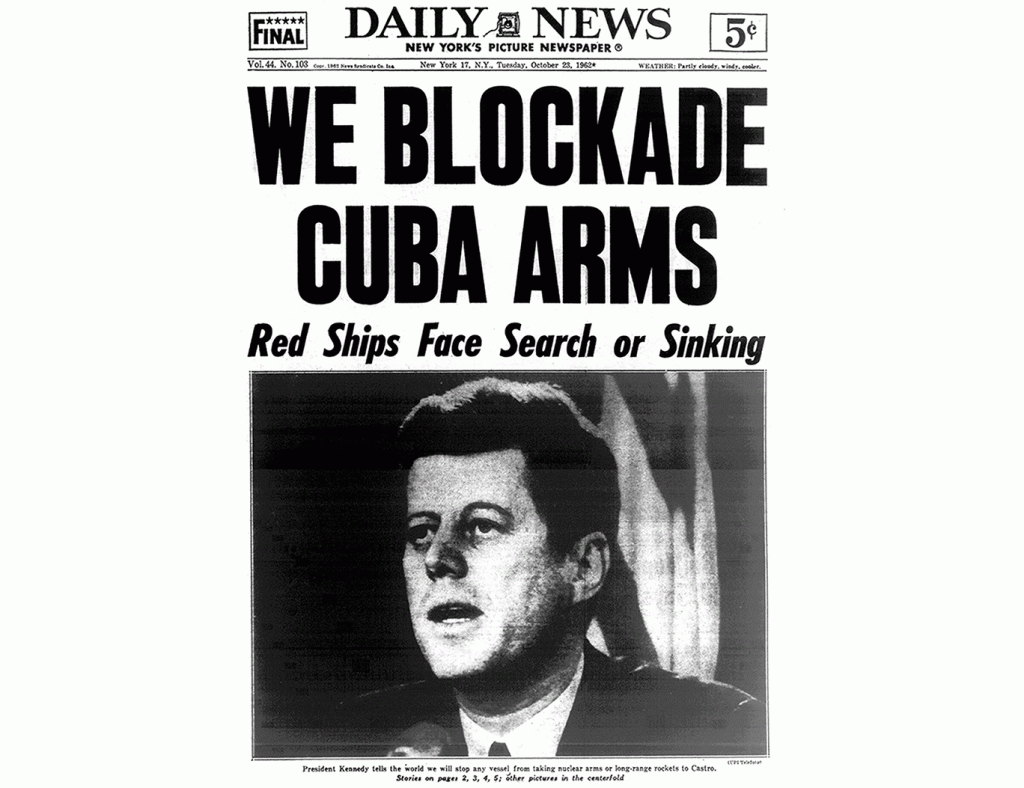
Këto platforma ishin pjesë e Operacionit Anadyr, ku Bashkimi Sovjetik tentonte ta kthente ishullin në bazë të raketave bërthamore balistike. Pika kulmore e krizës arriti mes 15 dhe 28 tetor të vitit 1962, kur dukej se lufta mes SHBA-së dhe Bashkimit Sovjetik ishte e pashmangshme.
Megjithatë të dy shtetet në fund arritën një marrëveshje: Bashkimi Sovjetik ra dakord të çmontonte bazat e tij në Kubë, nëse Shtetet e Bashkuara bënin të njëjtën gjë me raketat e tyre në Turqi.
Përveç kësaj, Presidenti Kennedy u zotua se vendi i tij nuk do të përpiqej të rrëzonte Fidel Castron dhe as të pushtonte ushtarakisht ishullin.
Por çfarë ndodhi ato ditë?
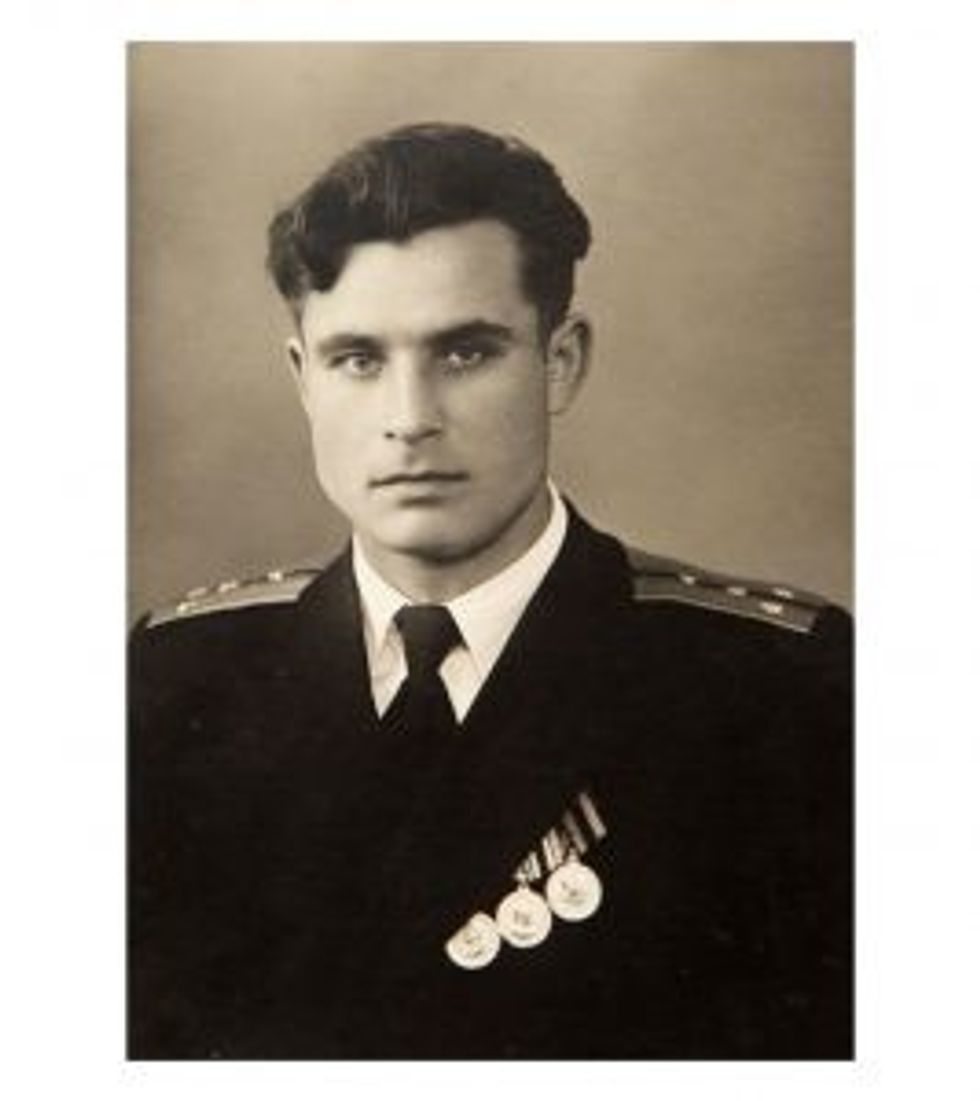
Vasili Alexandrovich Arkhipov ishte, edhe pse shumë pak e dinë, njeriu që shpëtoi botën nga katastrofa bërthamore.
Gjithçka nisi në 27 tetor 1962, gjatë krizës së raketave kubane, kur një flotë anijesh amerikane zbuloi një nëndetëse sovjetike në brigjet e Kubës. Kështu amerikanët filluan të lëshonin ngarkesa nënujore (pa eksplozivë, pasi ishin të shtëna paralajmëruese) dhe i bënë thirrje nëndetëses B-59 që të dilte në sipërfaqe.
Brenda nëndetëses situata ishte e tensionuar, pasi prej disa ditësh nuk kishin komunikim me botën e jashtme. Shumë prej tyre mendonin më të keqen: lufta kishte filluar dhe për këtë arsye ata po “sulmoheshin”.
Në këtë klimë me tension të lart, kapiteni filloi të merrte në konsideratë nëse duhej apo jo të lëshonte ngarkesën e tij: silurin me koka bërthamore.
Kapiteni i nëndetëses ishte Valentin Savitsky, dhe i duhej leja e dy njerëzve për të qëlluar me armë bërthamore.
Në njërën anë ishte Ivan Semonovich Maslennikov, zyrtari politik (përfaqësues i Partisë Komuniste Sovjetike që kishte për qëllim të realizonte kontrollin civil të ushtrisë) dhe Vasili Alexandrovich Arkhipov, komandanti i tre nëndetëseve që kishin shkuar në një mision të fshehtë në Kubë.
Ndërkohë, temperatura në nëndetëse arrinte 40 gradë, sistemi i ajrit të kondicionuar ishte prishur, Kapiteni e dinte se duhet të ngjiteshin në çdo moment, por dalja në sipërfaqe do të thoshte ekspozim ndaj një sulmi të drejtpërdrejtë. Duhet të vepronte menjëherë!.
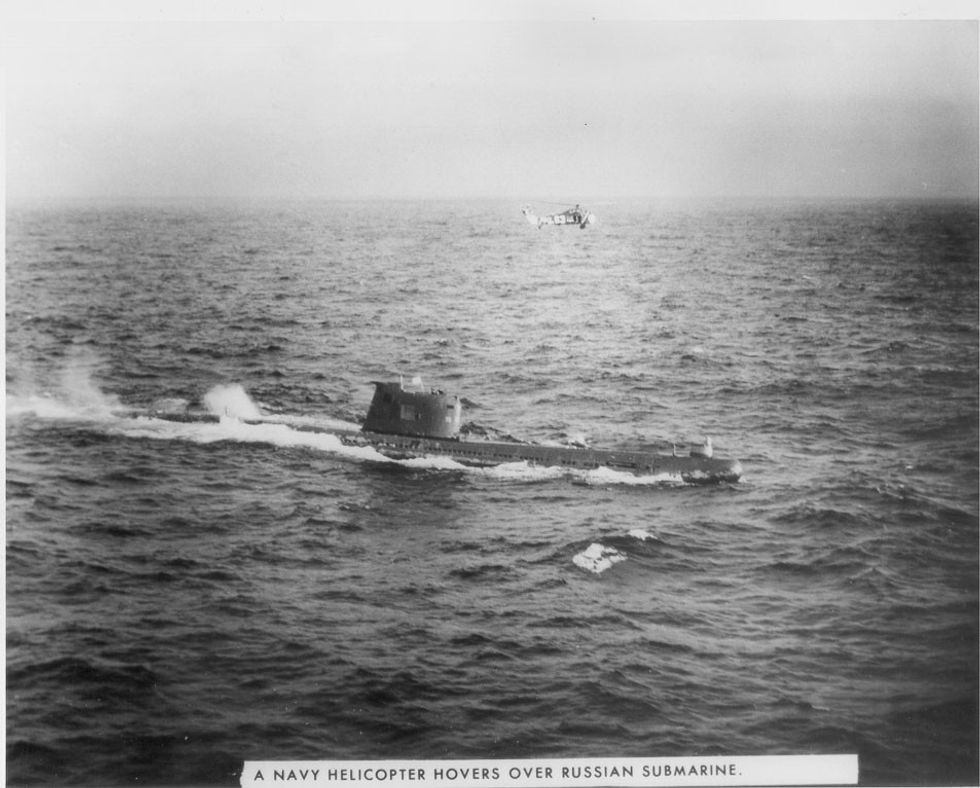
Një oficer i inteligjencës që ishte në bord shkroi në kujtimet e tij: “Amerikanët na goditën me diçka më të fortë se granata dhe me sa duket me një ngarkesë nënujore. Mendonim se erdhi fundi…” Në atë moment kapitenit i shkoi diçka ndër mend.
“Ndoshta lufta ka filluar lart. Ta shpërthejmë! Do të vdesim, por do t’i fundosim të gjithë, nuk do të bëhemi turpi i flotës”.
Ideja ishte të shpërthenin armën bërthamore dhe me fat ndoshta mund të arrinin të mbijetonin shpërthimit dhe të largoheshin nga sulmi amerikan.
Kështu zyrtari politik dha miratimin e tij për të nisur sulmin, dhe çdo gjë ishte gati po të mos ishte për Arkhipovin.
Arkhipov pati një debat të fortë me kapitenin Savitsky, nuk pranonte të jepte leje për të përdorur silurin bërthamor.
Mesa duket ishte i vetmi që qëndroi gjakftohtë dhe kuptoi se amerikanët e dinin shumë mirë ku ishin dhe se “sulmet” kishin dështuar me qëllim. Kështu pas diskutimit, ai bindi Savitskyn të dilte në sipërfaqe dhe të priste urdhrat.
Kur dolën në sipërfaqe askush nuk i sulmoi, nuk pati asnjë tentativë për t’u afruar. Nga larg një shkatërrues i marinës amerikane u kërkoi që të identifikoheshin. Kështu flota e katër nëndetëseve u drejtua sërish drejt Rusisë.
Duket një episod i vogël gjatë Luftës së ftohtë, por nuk ishte i tillë.
Ndoshta kjo ngjarje nuk është e rëndësishme për atë që ndodhi, por për atë që do të kishte ndodhur nëse do të lëshohej arma bërthamore.
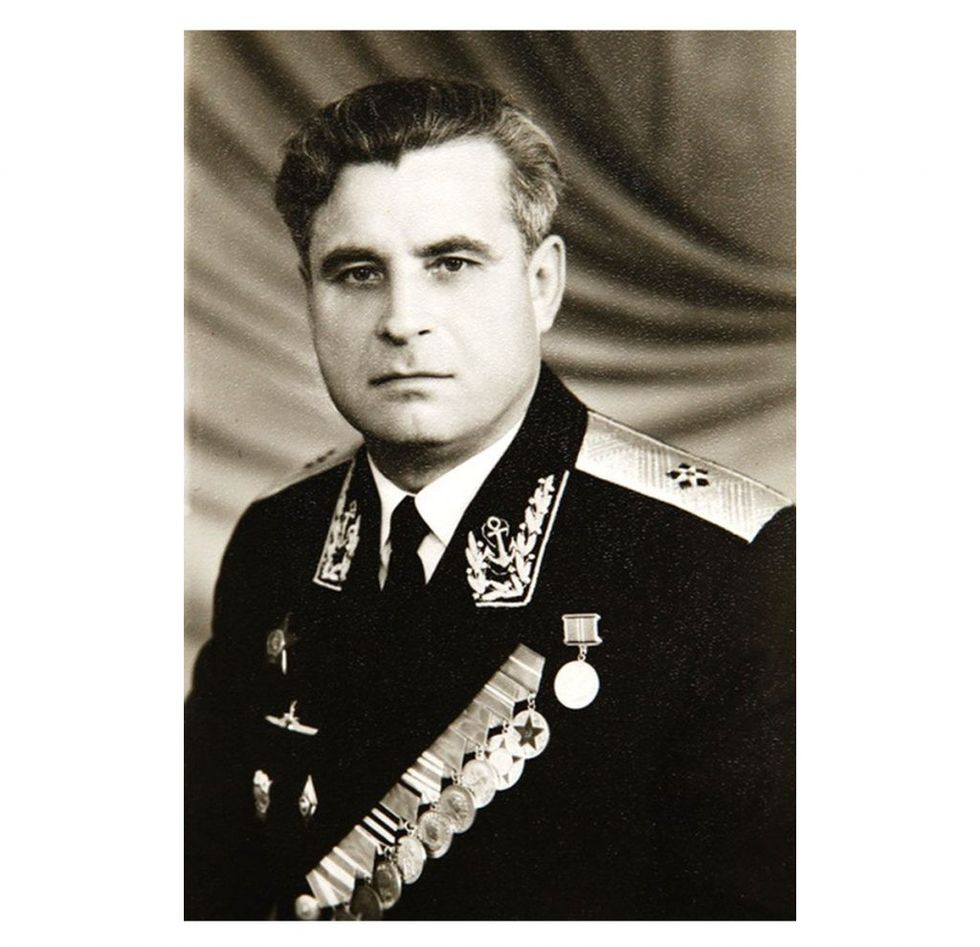
Thomas Blanton, drejtor i Arkivave të Sigurisë Kombëtare të Shteteve të Bashkuara e bëri të qartë: “një njeri i quajtur Vasili Arkhipov shpëtoi botën”. Arkhipov ishte i vetmi që ndërhyri mes kapitenit dhe fillimit të luftës bërthamore.
Një shembull tjetër historik i idiotësisë së njeriut dhe madhësisë shkatërruese të armëve bërthamore. Shekulli XX inauguron një epokë, ku për të parën herë në histori, njerëzit kanë aftësinë të shfarosin jo vetëm veten e tyre por gjithë jetën në tokë.
Disa thonë se armët bërthamore u bënë për të mos u përdorur kurrë, por kush e di sa e sa herë ky besim ka qenë gati të shkatërrohej, së bashku me çdo gjë tjetër në tokë./DITA/