

Industria e duhanit në vend është transformuar në mënyrë drastike në vitet e fundit - nga prodhimi i cigareve klasike në një model që u jep prioritet inovacioneve bazuar në njohuritë shkencore dhe nevojat e konsumatorëve. Qasja inovative në këtë industri ka potencial të madh për zhvillim, por duhet të formësohet përmes shkencës, iniciativave të partneritetit dhe rregullimit të përgjegjshëm, theksuan pjesëmarrësit e panel-diskutimit kushtuar duhanit dhe industrisë së duhanit "Përtej Gjethit: Inovacioni, hulumtimi dhe rregullimi" i mbajtur në kuadër të Simpoziumit ndërkombëtar për bujqësi dhe ushqim (ISAF 2025) në Ohër.
Evolucioni i një prej degëve më të rëndësishme bujqësore në Maqedoni nxitet nga partneritetet strategjike, siç është investimi i përbashkët midis kompanisë "Philip Morris International" (PMI) dhe Kombinatit të Duhanit Prilep (TKP), e cila zgjat për dhjetë vjet. Përfaqësuesit e këtyre kompanive, të cilët ishin pjesë e panelit, theksuan se që nga nënshkrimi i marrëveshjes së përbashkët në vitin 2014, Philip Morris Tutunski Kombinat Prilep (FMTKP) ka zgjeruar eksportet në 12 tregje, duke përfshirë vendet e BE-së, ka arritur vetëmbështetje energjetike dhe ka arritur sasi rekord në prodhimtari. Duhani mbetet një burim qendror në transformimin e PMI-së, e cila zhvillon alternativa pa tym për duhanpirësit e rritur që zgjedhin të mos heqin dorë nga nikotina. Duke vepruar kështu, strategjia e PMI-së përqëndrohet në zhvillimin dhe promovimin e përgjegjshëm të produkteve pa tym si një alternativë më pak e dëmshme ndaj cigareve, me qëllimin afatgjatë – të krojohet ardhmëri pa tym.
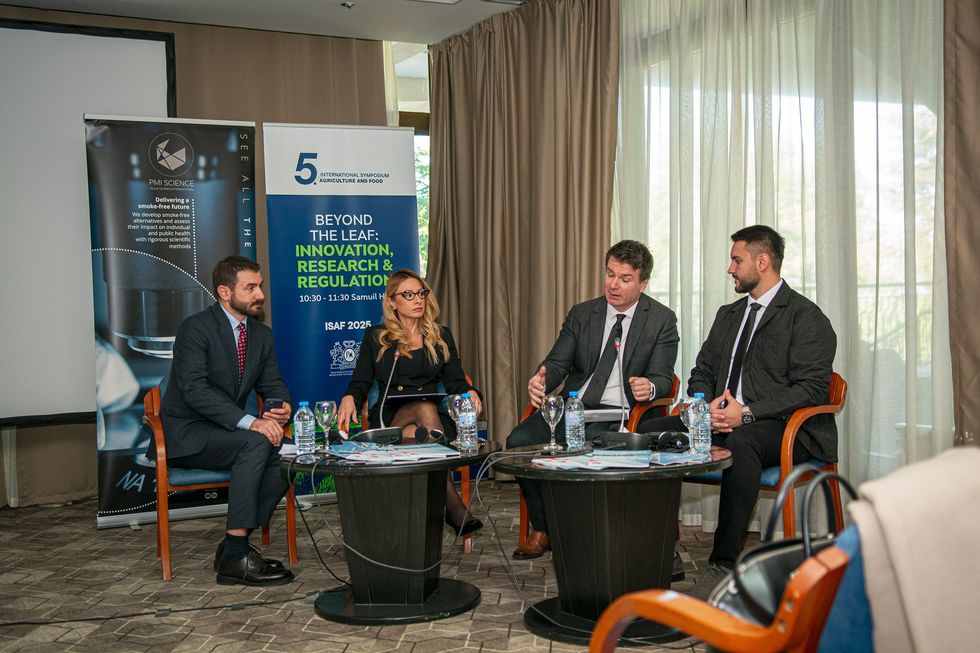
- Transformimi i industrisë vendoset në diçka mjaft të thjeshtë: ndryshimi i produktit mund të ndryshojë thellësisht jetën e një miliard njerëzve në planet. Kompania për të cilën punoj sot është shumë e ndryshme nga kompania në të cilën u bashkova 21 vjet më parë. Dhjetë vjet më parë, ne ishim 100 përqind biznes për duhan të djegshëm. Sot, rreth 40 përqind e biznesit tonë janë produkte duhani pa tym. Ambicia jonë është që deri në vitin 2030, dy të tretat e të ardhurave tona neto të vijnë nga produktet pa tym – tha Ondrej Kumal, Drejtor i çështjeve të jashtme në Philip Morris International (PMI).
Ai theksoi se një ditë cigaret mund të shkojnë në muze, por kjo nuk do të thotë që njerëzit do të ndalojnë së përdoruri duhanin ose nikotinën. Ajo që kompania shpreson të ndryshojë janë rezultatet e shëndetit publik për shkak të përdorimit të produkteve alternative.
- Ne e dimë se duke eliminuar djegien mund të ulim nivelin e substancave të dëmshme, dhe me këtë ulje mund të zvogëlojmë ekspozimin ndaj substancave toksike për përdoruesit. Prandaj, pritet që ekspozimi më i ulët ndaj substancave të dëmshme të çojë në një ulje të sëmundjeve të caktuara me kalimin e kohës – theksoi Kumal.
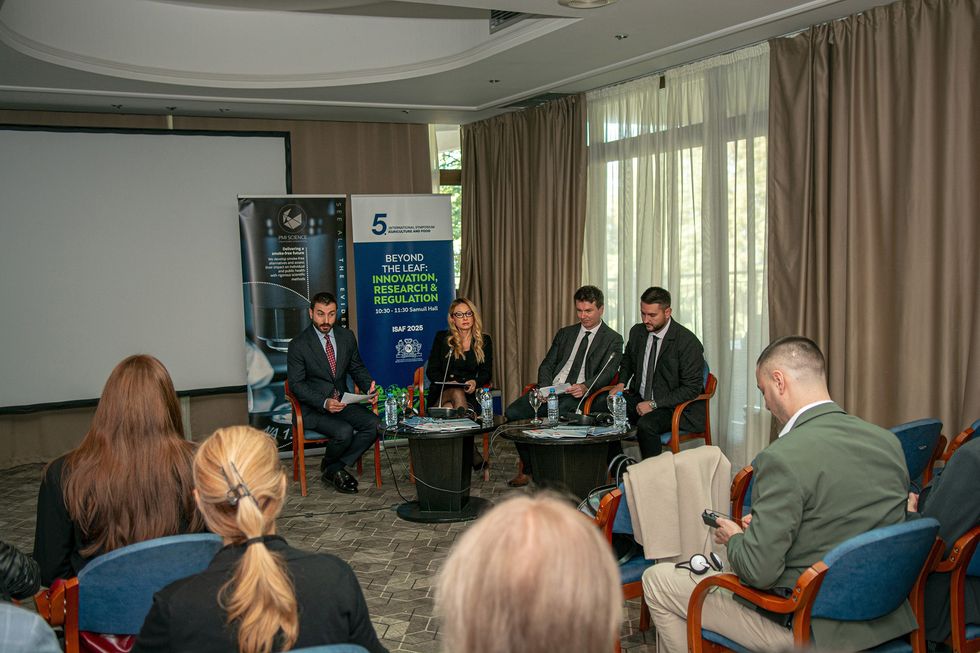
Simpoziumi Ndërkombëtar për bujqësi dhe ushqim, i organizuar nga Fakulteti i shkencave bujqësore dhe ushqimit – Shkup, mblodhi në një vend ekspertë nga fusha të ndryshme të cilët prezantuan arritje të reja, fundamentale në fushën e bujqësisë së qëndrueshme dhe prodhimit të ushqimit.