

Why is Trump refusing to sign the housing bill?
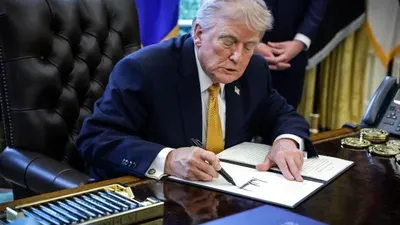
US President Donald Trump has stated that he will not sign a housing bill that has been approved by the US Congress and sent to the White House, as a way of pressuring the Senate to approve another bill supported by Republicans.
The American leader said his refusal was related to the non-approval of the "Save America Act", an initiative that, according to him, would strengthen the rules for voting in American elections.
It requires voters to present photo identification, proof of U.S. citizenship, and restricts mail-in ballots, with exceptions for military personnel, the disabled, the sick, and those traveling.
Trump has sharply criticized the Senate for failing to pass this law, saying that it enjoys strong support among Republicans and that blocking it poses a threat to the electoral process.
He has also called for the abolition of the filibuster rule in the Senate, a procedure that allows votes to be blocked without a special majority.
What is the "Housing Bill"?
A “Housing Bill” is a bill related to housing policy in the U.S. Such bills typically include measures to increase the affordability of housing, fund housing programs, help low-income families, and improve the housing market.
In this case, Trump has not necessarily opposed the content of the housing law, but is using its signature as a political tool to pressure Congress on the issue of electoral reform.
The clash between the president and Democrats is also linked to the long-running debate in the US over voting rules. Republicans argue that stricter identification and verification requirements increase confidence in elections, while Democrats oppose measures that they say could make it harder for some groups of voters to participate. /Telegraph/