

JD Vance surprises: The US is not at war with Iran
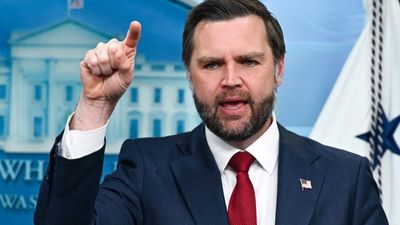
US Vice President JD Vance said he could not predict when the conflict with Iran would end or when oil prices would return to pre-war levels. According to him, the end of the conflict, which began six months ago with US-Israeli air strikes, depends on Iran.
JD Vance said that the situation should not be called a "war," as according to him, active combat operations ended months ago.
However, the US and Iran have exchanged fire for three days in a row this week, including in the Strait of Hormuz area. According to the Pentagon, 790 American soldiers have been wounded and 18 have died since the conflict began.
The United States on Tuesday struck about 60 military targets near the strait, including air defenses, radars, ships, mine-laying equipment and communications centers. The U.S. military plans to continue the strikes, while officials say Iran has the ability to quickly restore its military capabilities, AP reports.
The conflict has also affected energy markets, pushing up fuel prices and worrying Republicans ahead of congressional elections. President Donald Trump has said he feels no pressure to end the conflict before the election, although his allies acknowledge that it would be politically better to keep the war under wraps until November.
Vance, who was initially against the war, had led efforts for a diplomatic solution, but the ceasefire he negotiated failed after two weeks.
Meanwhile, the US administration is investigating reports that four people were killed at a wedding near the Strait of Hormuz during US strikes. Vance did not rule out the possibility of civilian casualties.
Tehran has responded by striking US bases in the region. Vance confirmed that there are currently no negotiations with Iran and said the US will not negotiate until Iran stops attacking commercial shipping.
He also refused to predict when fuel prices might return to $3, saying the US's main objective is to prevent Iran from acquiring nuclear weapons. /Telegraph