

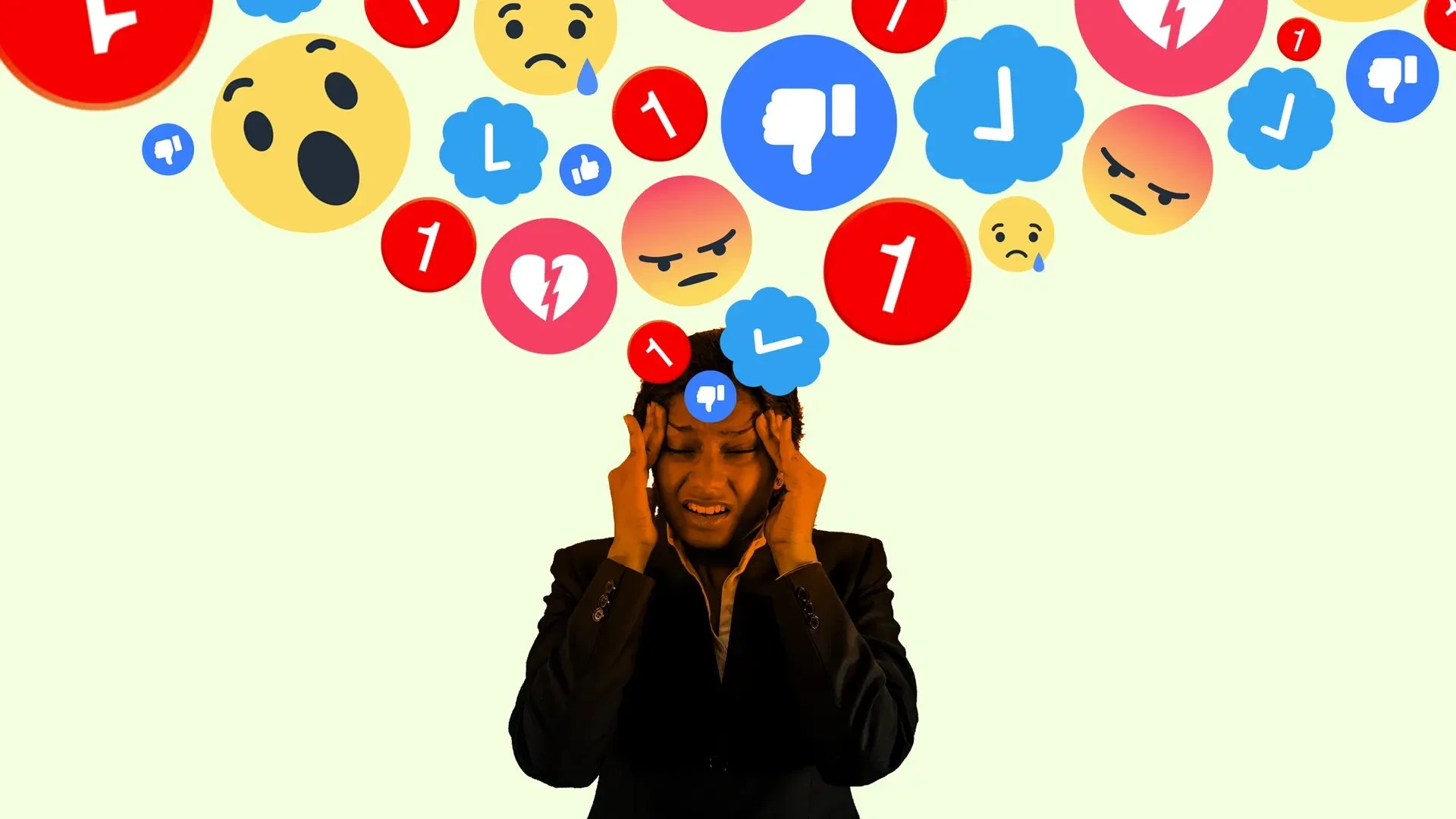
Toxic messages online continue to remain widespread across Europe, targeting users increasingly directly on the basis of political beliefs, ethnicity, race or personal identity.
This form of hostile content is being seen as one of the biggest challenges of the digital space on the continent, as it often affects not only public discussions, but also the sense of security of users online.
One of the main questions that arises is: which European Union countries are facing the highest levels of hostile content online?
According to the latest data published by Eurostat, in 2025 just under half of internet users in 20 EU countries reported having encountered online messages that they perceived as hostile, offensive or degrading towards certain individuals or groups. These figures show that the phenomenon remains widespread and significantly prevalent in the European digital environment.
In the country rankings, the highest levels of exposure to such content are recorded in Ireland, Hungary, Finland and Slovakia. These countries report higher percentages of users who regularly encounter messages of a hostile nature, reflecting a more polarized and conflictual online climate, reports the Telegraph.
On the other hand, countries with the lowest levels of reporting of such content include Latvia, Greece, Germany and Lithuania. In these countries, users appear to encounter messages perceived as offensive or discriminatory less frequently, although the phenomenon is not completely absent.
These differences between EU countries suggest that the spread of hate speech and toxic content online is influenced by various factors, including the political climate, the culture of public debate and the way the digital space is regulated and monitored in each country, euronews writes.

Hostile messages online have targeted a wide range of groups and individuals, showing that this phenomenon is not limited to a specific category, but affects almost every segment of society.
In most cases, users report encountering offensive or discriminatory content directed at others because of their political or social views. Individuals are also often targeted based on their racial and ethnic origin, sexual orientation, and religion or personal beliefs.
However, targeting does not stop at these factors. Hostile content also extends to people based on gender, disability, age, or other personal characteristics, making the online space an environment where prejudice and stereotypes often take direct and public form.
According to a study published in the international scientific journal Nature, young males consistently appear to be the most active and hostile group in online political discussions. This trend is related to the way digital debates unfold, where emotions, polarization, and anonymity often fuel more aggressive behavior.
The same research emphasizes that social networking platforms cannot be seen in isolation from social reality, as they often reflect broader socio-economic and political tensions that exist outside of them. In this sense, online behavior is not created in a vacuum, but is strongly influenced by conflicts and divisions that exist in society at large.
What are the most toxic social media platforms?
In the last quarter of 2025, Western Europe consistently recorded the highest levels of online toxicity across the continent, according to data from the European Observatory on Online Hate. This trend indicates a greater concentration of hostile content and polarized discourse in this region, making it one of the most sensitive areas in Europe in terms of digital behavior.
Southern Europe has followed a similar trend, albeit at somewhat lower levels than the West. However, this region also saw a notable increase towards the end of December, largely reflecting the same dynamics that have emerged in Western European countries, particularly in periods of heightened social and political tension.
Meanwhile, Eastern Europe has generally reported the lowest levels of online toxicity during this period. This data suggests a clear regional difference in how hate speech appears and spreads online, reflecting the influence of different social, cultural and media factors in each part of Europe.

Anti-Semitic content often appears closely intertwined with racist narratives and deep-seated ideological prejudices, while also overlapping with discourses touching on religion and politics. This combination of elements shows that anti-Semitism in online space is not simply an isolated phenomenon, but is often fueled by conspiracy theories and radicalized worldviews targeting specific social groups.
Following this form of content are anti-Muslim, anti-LGBTQ+ and anti-refugee messages, which also constitute a significant part of hostile discourse online. These categories often reflect broader social and political tensions, amplified on digital platforms where public debate takes place with high intensity and limited scrutiny.
Regarding the major social media platforms, the analysis shows that X is rated as the most toxic of them, ranking ahead of YouTube, Facebook, Instagram and TikTok. However, the data shows that the overall level of toxicity on these platforms has remained relatively stable or in some cases has even decreased.
For example, in 2024, platform X recorded a score of 0.24, corresponding to an average level of toxicity according to the EOOH scale. This indicator represents a slight difference of 0.01 compared to 2025, suggesting minimal changes in the overall level of hostile content during this period. /Telegraph/