
The European Union's foreign policy chief, Kaja Kallas, has downplayed the importance of plans for a deep reform of the EU's diplomatic service, saying that more efficient implementation of existing rules would make EU foreign policy more effective.
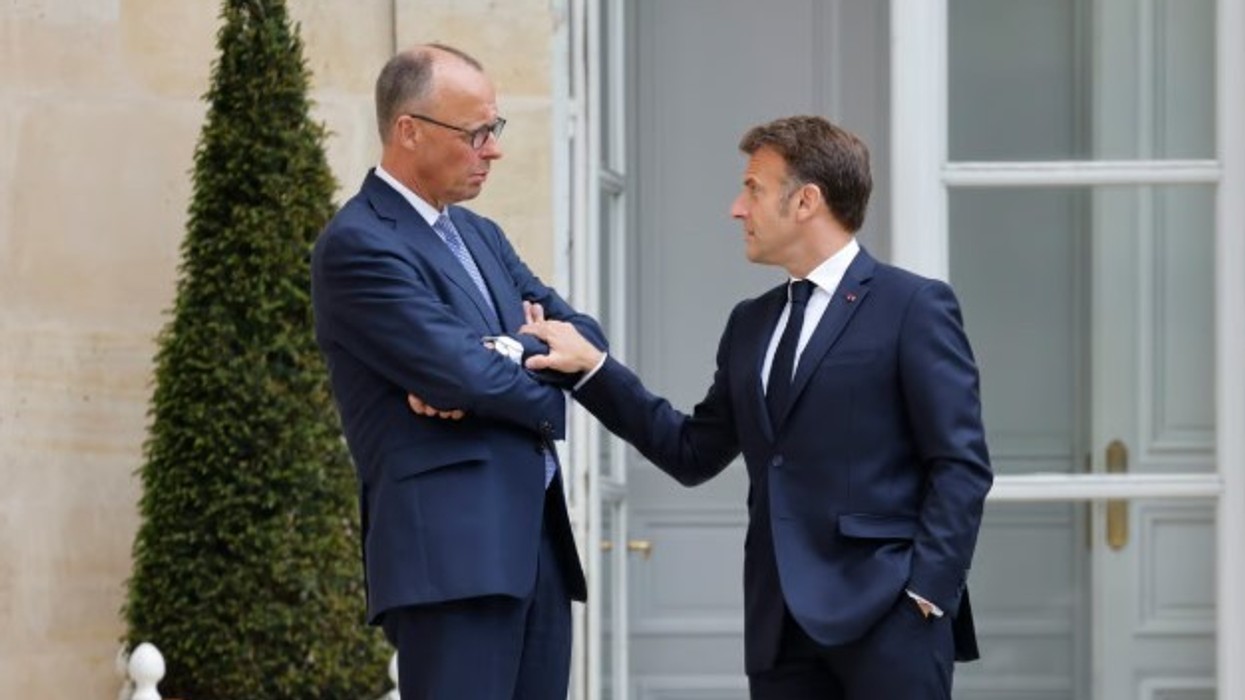
France and Germany have presented plans for a comprehensive reform of the European External Action Service (EEAS), which Kallas heads. The plans include giving Kallas powers over the European Commission's policy units dealing with external relations and removing the veto power of EU member states on decisions in this area.
However, after discussing the proposed reforms among EU foreign ministers in Wicklow, Ireland, Kallas said that the majority of ambassadors had supported the existing institutional framework of the EEAS.
"The problem is not the treaties or the institutional framework. The problem is their implementation," Kallas said at a press conference.
The debate over the future of EU foreign policy and the fate of the EEAS is intensifying due to budgetary constraints, as well as criticism that the service is no longer adapted to a time when relations between world powers have become increasingly tense.
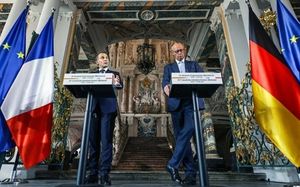
Meanwhile, the European Commission's growing interest in foreign policy, including the creation of a special unit for the Middle East and Africa, has caused a clash of competences with Kallas and her EEAS.
The Franco-German document, among other things, proposed that this issue be resolved by giving Kallas oversight over the Commission's policy units that are oriented towards the outside world, including the areas of migration, trade and development aid.
Kallas opposed this, arguing that EU treaties and legal acts already, at least in theory, give it this responsibility, but that they are not being implemented properly.
Kaja Kallas' position sits at the crossroads between the European Commission, where she is a vice-president under Ursula von der Leyen, and the European Council, where she is responsible for coordinating the foreign policy positions of the 27 EU member states.
"There was no support for centralizing everything in the Commission, while this role is not implemented in practice. If someone is above me and actually makes the decisions, then this does not work like that," said Kallas, speaking about her role as High Representative and Vice-President of the European Commission.
Ahead of the meeting in Wicklow, EU diplomats told Politico that it is unlikely that Kallas would support plans that could be interpreted as giving Ursula von der Leyen more direct powers over her job. /Telegraph
- YouTube www.youtube.com