

Although Cuba has been facing severe fuel shortages, an increasingly deep economic crisis and tougher sanctions from the United States for months, authorities in this Caribbean country continue to keep the situation under control.
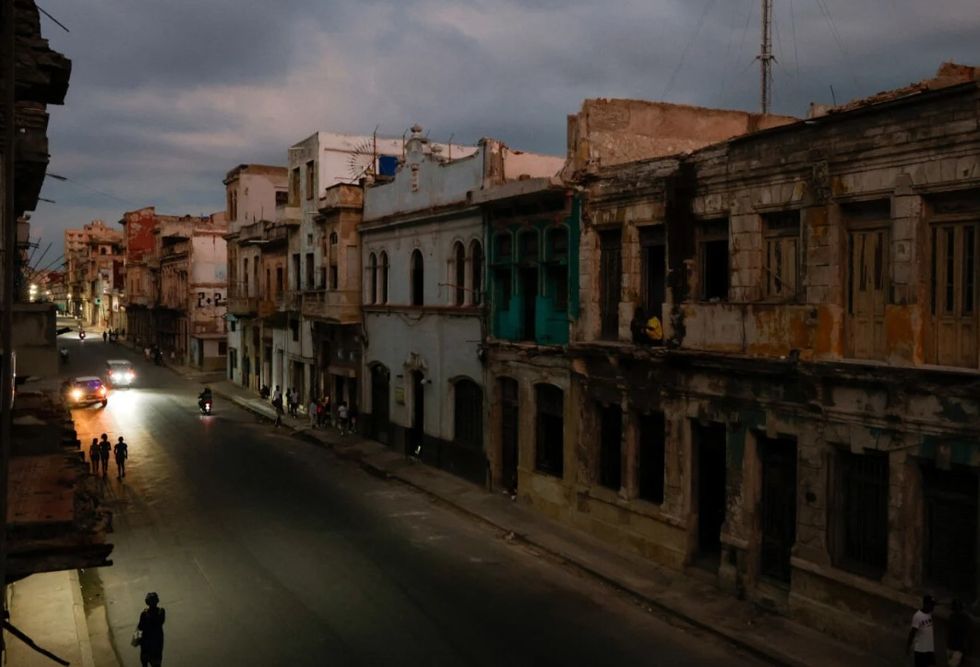
Meanwhile, citizens struggle every day to cope with the difficulties of daily life, characterized by frequent power outages, food shortages, and the continued deterioration of public services.
In an extensive report, Reuters writes that millions of Cubans have been forced to adapt to conditions reminiscent of the most difficult periods of isolation and poverty in the country's modern history.
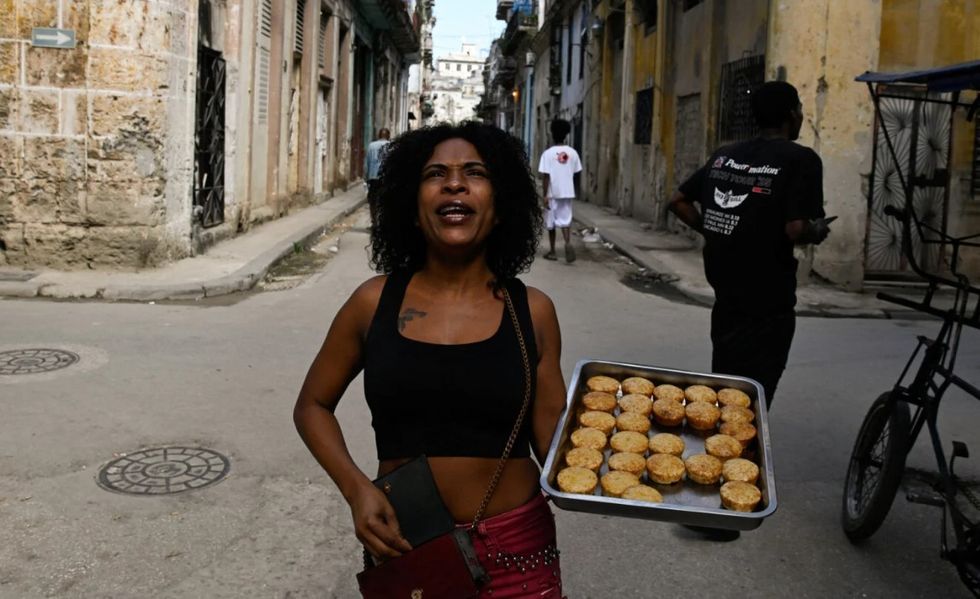
The photographs show that many Cubans are forced to sell everything they can on the streets to provide income and survive in difficult economic conditions, the Telegraph reports.
A wide variety of products can be found at the makeshift stalls – from fruits and vegetables, to everyday items, such as old phones, household appliances, and even used combs.
One of them is 64-year-old Felicia de la Caridad Alvarez from Old Havana. The former hospital employee lives in difficult conditions, without regular water and electricity, and faces daily challenges brought about by the country's deep economic crisis.
Due to frequent power outages, the food she was storing has spoiled, her television has been damaged and no longer works, and every day she is forced to carry water in plastic buckets from springs located several streets away from her apartment.
"To survive, I have to keep fighting. What other choice do I have?" Alvarez said in a statement to Reuters, describing the daily hardships faced by many Cuban citizens amid the ongoing economic crisis.
The crisis has worsened further after the administration of US President Donald Trump tightened sanctions on Cuba, restricted oil supplies and made it difficult for foreign currency to enter, as well as the arrival of American tourists, an important source of income for the country's economy.
As early as early January, Trump declared that Cuba was “on the brink of collapse.” However, despite hours-long power outages, the degradation of the healthcare system, and a significant decline in tourism, Cuban authorities have managed to maintain political stability and control over the situation.
According to Reuters, the Cuban leadership has for decades promoted among its citizens the concept of "resistance" - the ability to adapt to hardship and survive despite international isolation, economic sanctions and a constant lack of resources.
This message continues to be an important part of the official narrative, as millions of Cubans face one of the most difficult economic periods in recent years.
Many Cubans, long accustomed to prolonged absences, have found different ways to cope with daily hardships.
Farmers still use oxen instead of tractors due to the lack of oil, while electric tricycles have almost completely replaced gasoline-powered vehicles. Solar panels and batteries have also become vital sources of energy for families and small businesses.
However, fear of repression continues to limit open protests against the government. Alvarez says she does not plan to participate in demonstrations, as she fears that the authorities may retaliate against her or her family.
"Maybe they would take revenge on my children," she said.
International human rights organizations, as well as the United States, have for years accused Cuban authorities of suppressing freedom of expression and repressing political opponents. On the other hand, official Havana claims that Washington is behind efforts to destabilize the country.
German researcher of Cuban politics, Bert Hoffmann, believes that the resilience of Cuban society has surprised Washington.
"The quality of life has deteriorated significantly, but the political consequences are not so clear," Hoffmann said.
He added that even much more developed countries would find it difficult to cope with a near-total blockade of fuel supplies lasting for months.
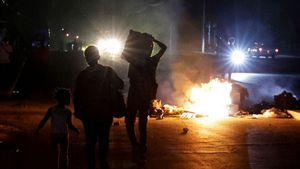
However, discontent among citizens is growing. Reuters reports that in recent weeks there have been protests over power outages, which in some areas of Havana last up to 18 hours a day.
Havana resident Rodolfo Alonso said he had come out to protest after his neighborhood was left without electricity for more than 40 hours.
"This is not a political issue. We hit the pots just to get three hours of electricity. That's all we're asking for," Alonso said.
The situation is particularly dire in the healthcare system, where doctors are abandoning the profession due to a lack of basic equipment and essential medicines. At the same time, the devaluation of the Cuban peso is making it even more difficult for citizens to buy food and essential goods.
The United Nations warned last month that the US blockade of fuel supplies had "dramatically worsened" the effects of the decades-long embargo on Cuba, calling the measure illegal and in violation of human rights.
On the other hand, the Trump administration accuses the Cuban communist authorities of systematic human rights violations, imprisonment of political opponents and maintenance of an economic system that, according to it, has left millions of people in poverty.
Cuban sociologist Luis Emilio Aybar estimates that society has shown great resistance, as for years there have been no other alternatives.
"But a country without fuel cannot survive forever," Aybar warned. /Telegraph/