
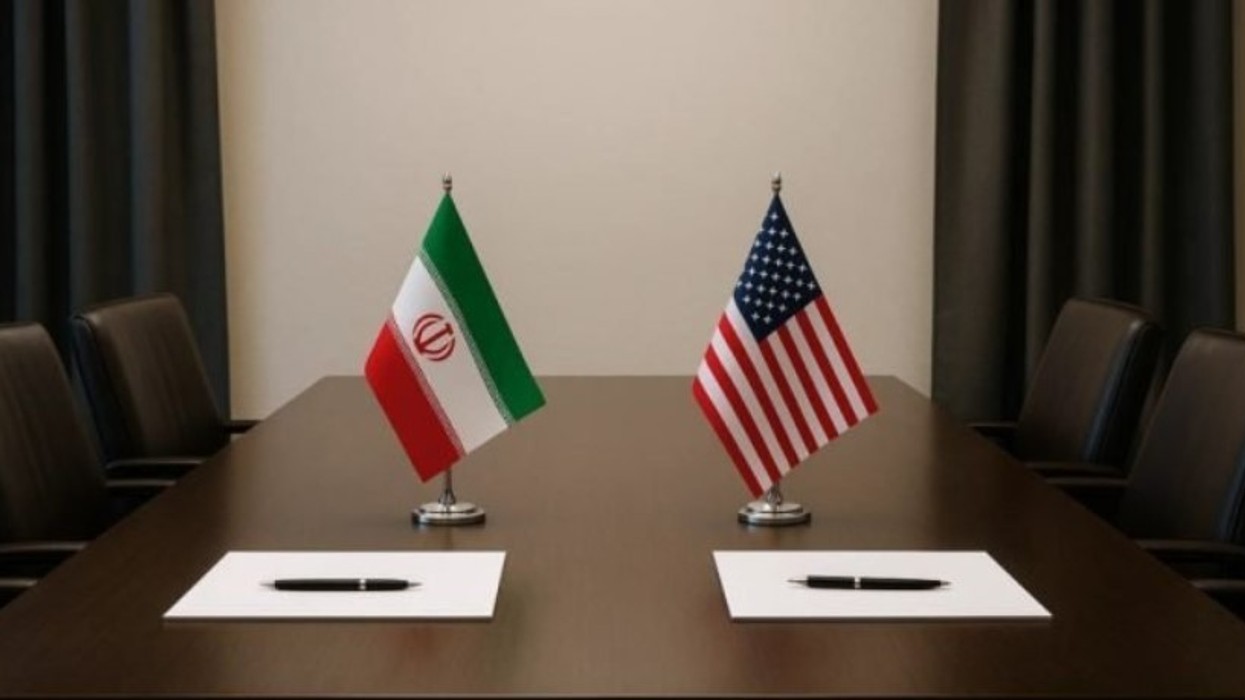
Talks between the United States and Iran regarding the Strait of Hormuz and Tehran's nuclear program will only take place after a preliminary agreement is reached and signed between the two countries.
This was reported by Iranian state media IRNA, providing new details on the diplomatic process taking place between Washington and Tehran as the agreement could be signed in Geneva, Switzerland.
According to IRNA, the proposed memorandum of understanding does not include any concrete agreement on Iran's nuclear program nor on what Iranian media called "the management of the Strait of Hormuz," one of the most important sea lanes for global oil trade.
The report notes that negotiations on the nuclear issue will take place within a 60-day period after the signing of the initial agreement. This indicates that the parties intend to first establish a basic framework of cooperation before addressing more sensitive and complex topics, writes skynews.
Iranian state media also reiterated Tehran's position that Iran and Oman will play a decisive role in determining the future regional administration of the Strait of Hormuz, which is considered vital to the global economy as a major part of global oil and gas exports pass through it.
This information is consistent with an earlier report published by Axios, according to which the initial US-Iran agreement will address only a few basic issues, while the most difficult topics will be left for further negotiations. This approach is intended to give both sides time to build trust and seek solutions to the main disagreements that have prevented reaching a comprehensive agreement.
Recent developments are being closely followed by international markets and countries in the region, as any agreement between Washington and Tehran could have a direct impact on Middle Eastern security, global energy supplies, and the stability of oil prices.
These are Iran's 14 proposed points:
Otherwise, the Iranian Foreign Ministry stressed that the document is preliminary and that Tehran has not yet made a final decision. /Telegraph/