
Why it is not recommended to wash windows on a sunny day and when you should do it?
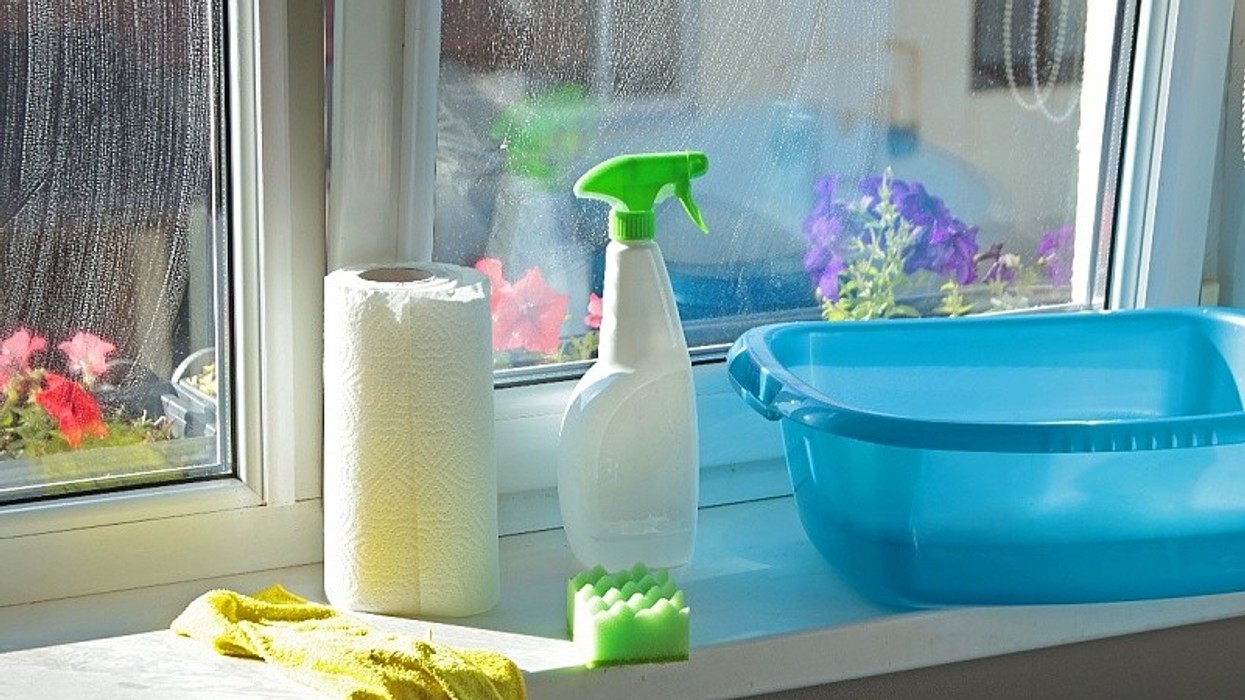
During the summer months, many people take advantage of the sunny days to clean and freshen up their homes. However, if you're planning on washing windows, direct sunlight and high temperatures may not be the best conditions for the job.
Direct sunlight heats the glass, causing water and cleaning agents to dry faster. If you don't wipe them off quickly enough, unsightly streaks, spots, and water marks can remain on the surface.
Additionally, the glare that forms on the glass during sunny weather makes it difficult to see dirt. This means that certain parts of the window may remain dirty, even though at first glance it appears that the entire surface has been washed.
This is why it's best to wash your windows on a cloudy day, when the glass isn't exposed to sunlight. This way, the cleaner stays wet long enough to wipe evenly and avoid streaks.
The way you clean the glass is also important. Before washing, it's a good idea to clean the window frames so that dirt and water don't end up on the already washed glass. After that, you can wash the glass with a sponge and warm, soapy water.
For the final wipe, it is helpful to use a microfiber cloth or a glass squeegee. "S"-shaped movements can help evenly remove water and cleaner from the entire surface.
If small marks remain after washing, you can wipe the glass with a dry microfiber cloth. It is important to avoid paper towels, which can leave small hairs on the surface.
A simple alternative is to use crumpled newspaper. This can be used to remove any remaining traces and excess liquid, and the glass can be wiped with horizontal movements until completely dry.
Therefore, if you want clean windows without visible stains and streaks, it's not enough to just choose the right cleaning product. It's just as important to choose the right moment.