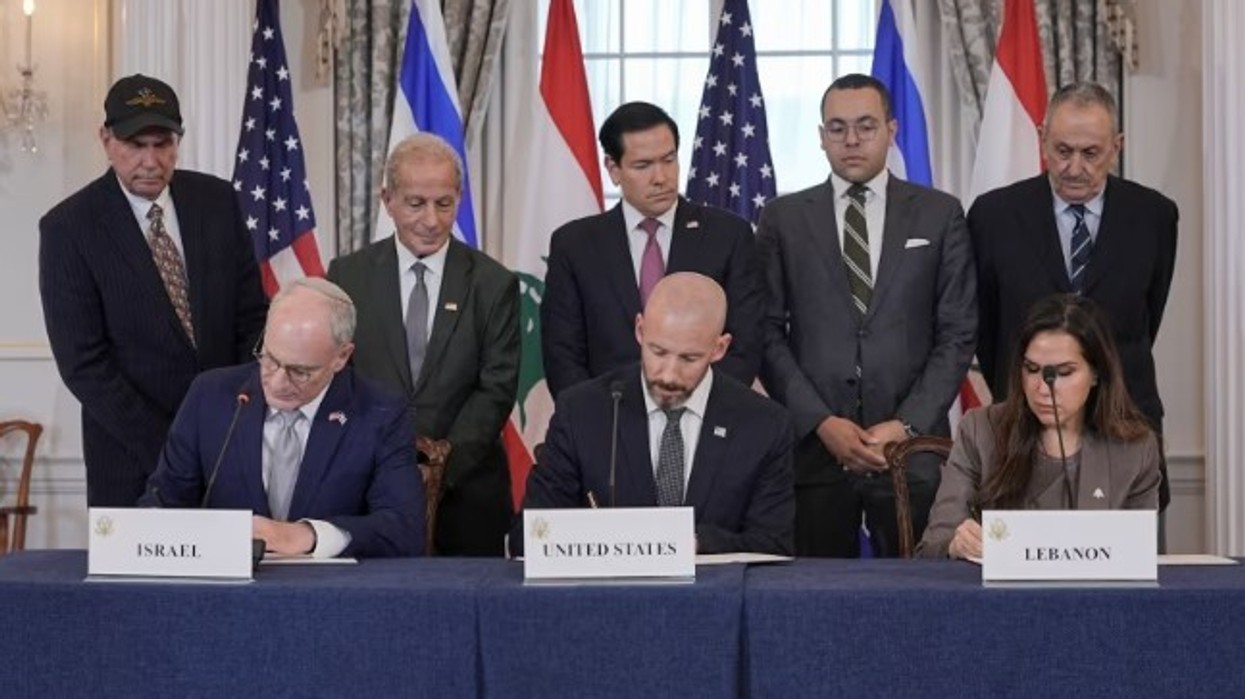
Israel and Lebanon have reached and signed a framework agreement for the partial withdrawal of the Israel Defense Forces (IDF) from southern Lebanon.
Under the agreement, Israeli forces will withdraw from two areas within the nearly 10-kilometer-long buffer zone that the IDF has established in southern Lebanon. In these areas, Israeli troops will be replaced by members of the Lebanese armed forces.
These areas, according to the Israeli side, have already been cleared of Hezbollah infrastructure. In some cases, this has included the complete destruction of Lebanese villages near the border, as the IDF claims Hezbollah used them to plan and carry out attacks against Israel.
The framework agreement was reached on the fourth day of the fifth round of US-brokered negotiations between Israel and Lebanon in Washington. A small signing ceremony was held at the US State Department, CNN reports.
The United States pressured both sides to reach an agreement by the end of the round of negotiations on Thursday, but it took additional time to narrow differences between them.
Both Israel and Lebanon entered the fifth round of talks unhappy with the US, following its decision last week to sign a deal with Iran, which also included a ceasefire in Lebanon.
Tel Aviv and Beirut argued that the memorandum of understanding undermined a key element of their direct negotiations, which the US had specifically organized to limit Iran's influence on developments in Lebanon.
One source said that this US approach prompted Israel to initially take a tougher stance in negotiations with Lebanon this week, significantly limiting the areas from which it was willing to withdraw in southern Lebanon.
On the other hand, Lebanon considered that it needed to take a stronger stance in talks with Israel, to counter the perception that Iran has more influence on Lebanese territory than it actually does, the sources said.
As a result, Lebanese negotiators presented maps for the proposed IDF withdrawal that included a broader withdrawal than what Israel was willing to accept at this stage, which was already quite limited due to the political pressures facing the government of Israeli Prime Minister Benjamin Netanyahu. /Telegraph