

For the first time in 23 years, Romania closes nuclear power plant due to critical Danube level
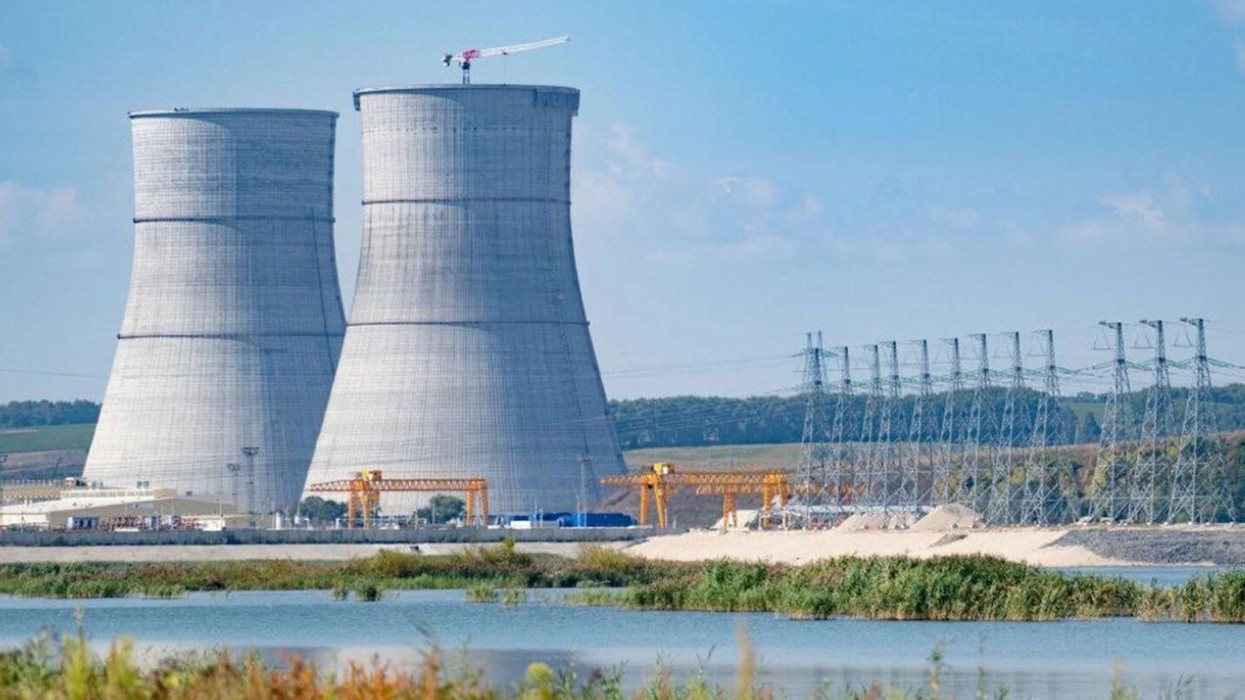
Romania has temporarily shut down its Cernavoda nuclear power plant due to falling water levels in the Danube River, causing concerns about the country's electricity supply.
This is the first time in 23 years that the plant has faced such a shutdown. The water level in the Danube has dropped to such an extent that there is no longer enough water to properly cool the reactors.
The Cernavoda power plant uses Danube water in its cooling system, while high temperatures and drought have significantly reduced the river's flow.
To compensate for the lack of domestic production, Romania has started importing electricity from Ukraine, media reports.
Authorities are monitoring the situation and the level of the Danube, while the full restoration of the plant's production will depend on hydrological conditions and the possibility of guaranteeing safe cooling of the reactors.
The situation once again highlights the impact of droughts and high temperatures on energy infrastructure, especially in power plants that depend on water sources for cooling systems. /Telegraph/