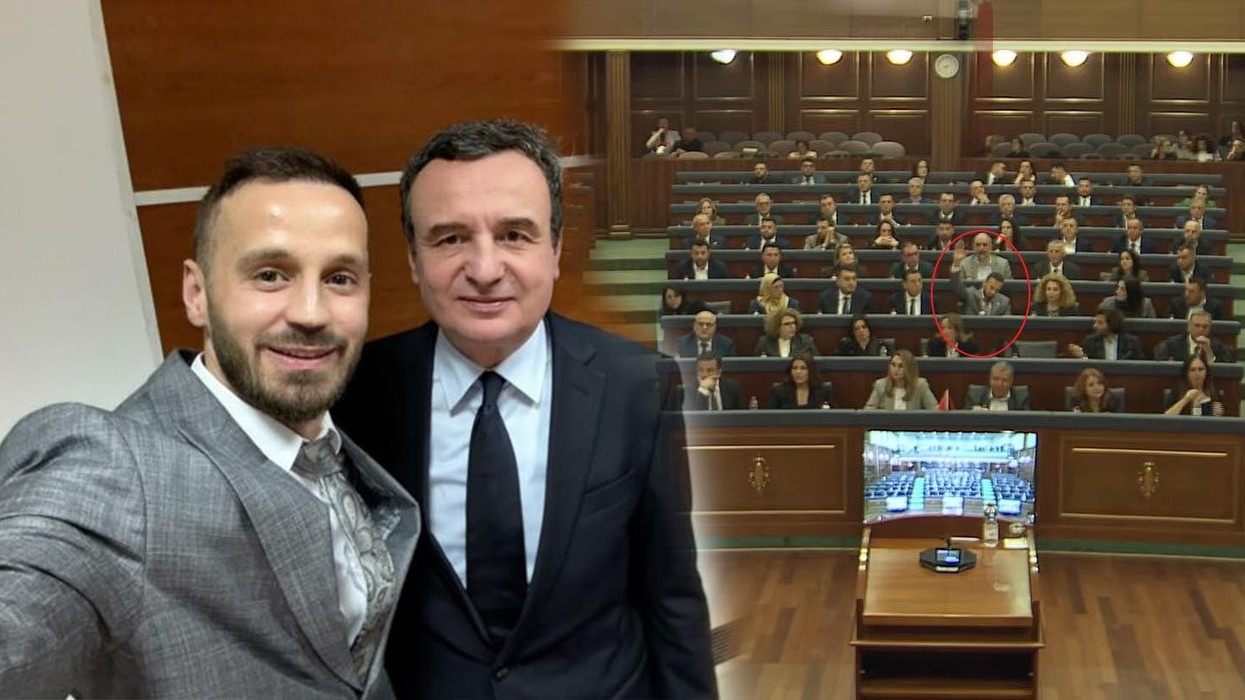


Analysts Sadri Ramabaja and Visar Ymeri on Debat Plus commented on the adoption of the resolution by the Kosovo Assembly regarding the Specialist Chambers, assessing that the document was necessary and carefully formulated to maintain institutional neutrality.
The Kosovo Assembly approved the resolution submitted by the PDK with 90 votes in favor and 1 against. The document calls for commitment and respect for the rule of law and international law by the Kosovo Specialist Chambers and the Specialist Prosecutor's Office.
The LDK's proposal to include a paragraph regarding the clarification of post-war killings was not included in the final text, and as a result, this political entity did not participate in the vote. The Vetëvendosje Movement MP, Fatos Geci, was the only one to vote against.
Sadri Ramabaja emphasized that the adoption of the resolution was a necessary step and that there was no need for additional debate about the text.
"There was no room for debate here about the text of the resolution. And I think it should have been voted on similarly. It is good that it was voted on, it passed. It is good that a similar resolution was voted on today in Tirana. And that is what our two republics should do at least," declared Ramabaja.
Meanwhile, Visar Ymeri assessed that the resolution was drafted in a balanced manner, with the aim of avoiding any interpretation as interference in the judicial process.

According to him, the text was prepared by experts and is careful in its wording, requiring respect for legal rights and international principles, without excluding the prosecution of those who may have committed criminal offenses.
"The resolution says that I respect human rights and international principles... and the resolution is demanding that you cannot put innocent people in prison just because you have a reason, but it doesn't say that you cannot put those who are guilty in prison. That's why I'm saying that any addition to it could disrupt the balance, the neutrality," Ymeri said.
According to analysts, any changes or additions to the text could jeopardize the neutrality of the document and create room for misinterpretation by the Special Court. /Telegraph/