


It is about a story about which a novel would be written or a very interesting film would be made. For a story based on a true event, of a successful family business that turned into a fierce rivalry between two brothers.
Such a story, according to historical accounts, Telegrafi reports, was spread over most of the 20th century, including the Nazi period.
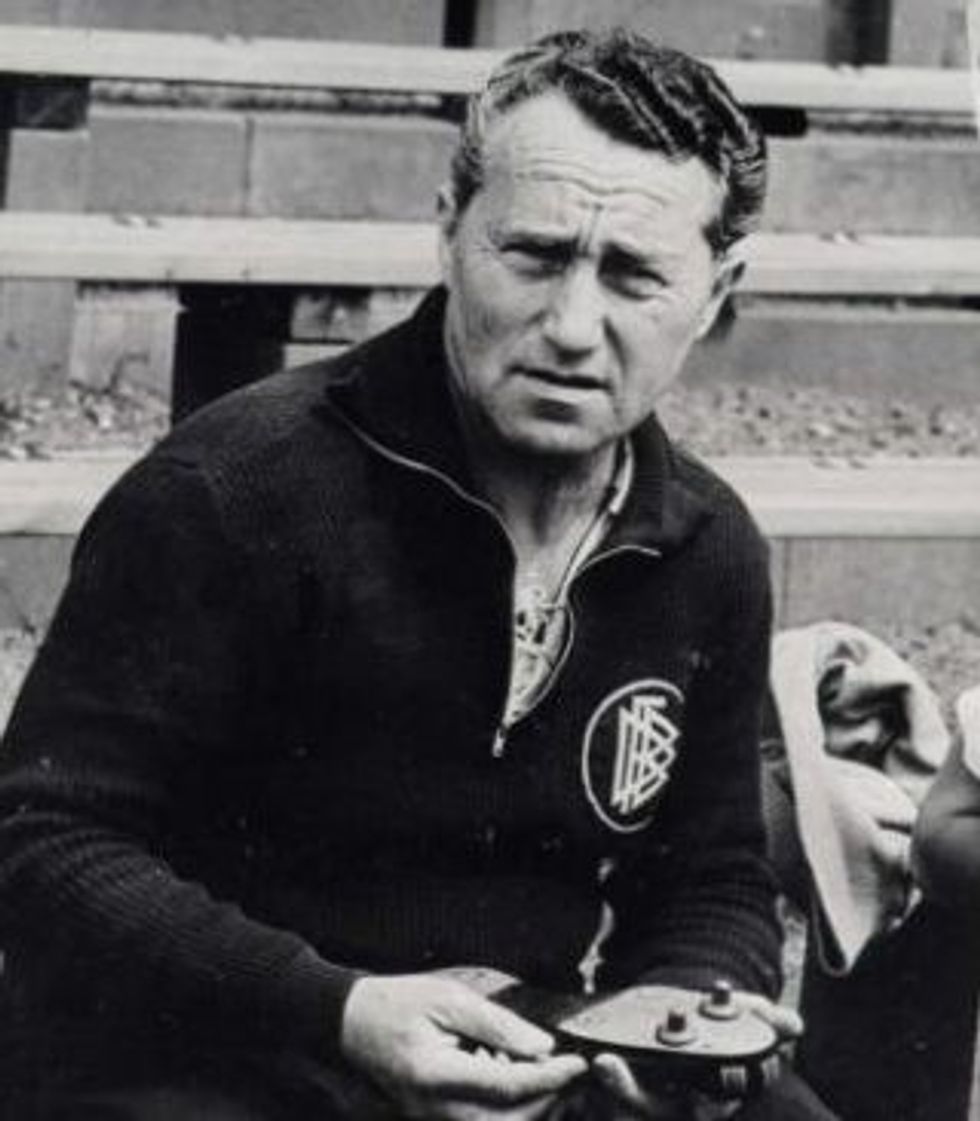
It all started in a small urban area in Germany in the 1920s. The town was Herzogenaurach.

There the brothers had a small firm called Dassler Brothers Sports Shoe Company. They worked out of their mother's laundry room.

The older brother was Rudolph, also known as Rudi, an outgoing man who loved the sales aspect of the business. While Adolph, or Adi, was a quiet craftsman who created and produced the shoes.
Like many of their fellow citizens, the brothers joined the Nazi party after Adolf Hitler came to power in 1933.
Their shoe business remained modest until 1936. That year, Germany hosted the Olympics.
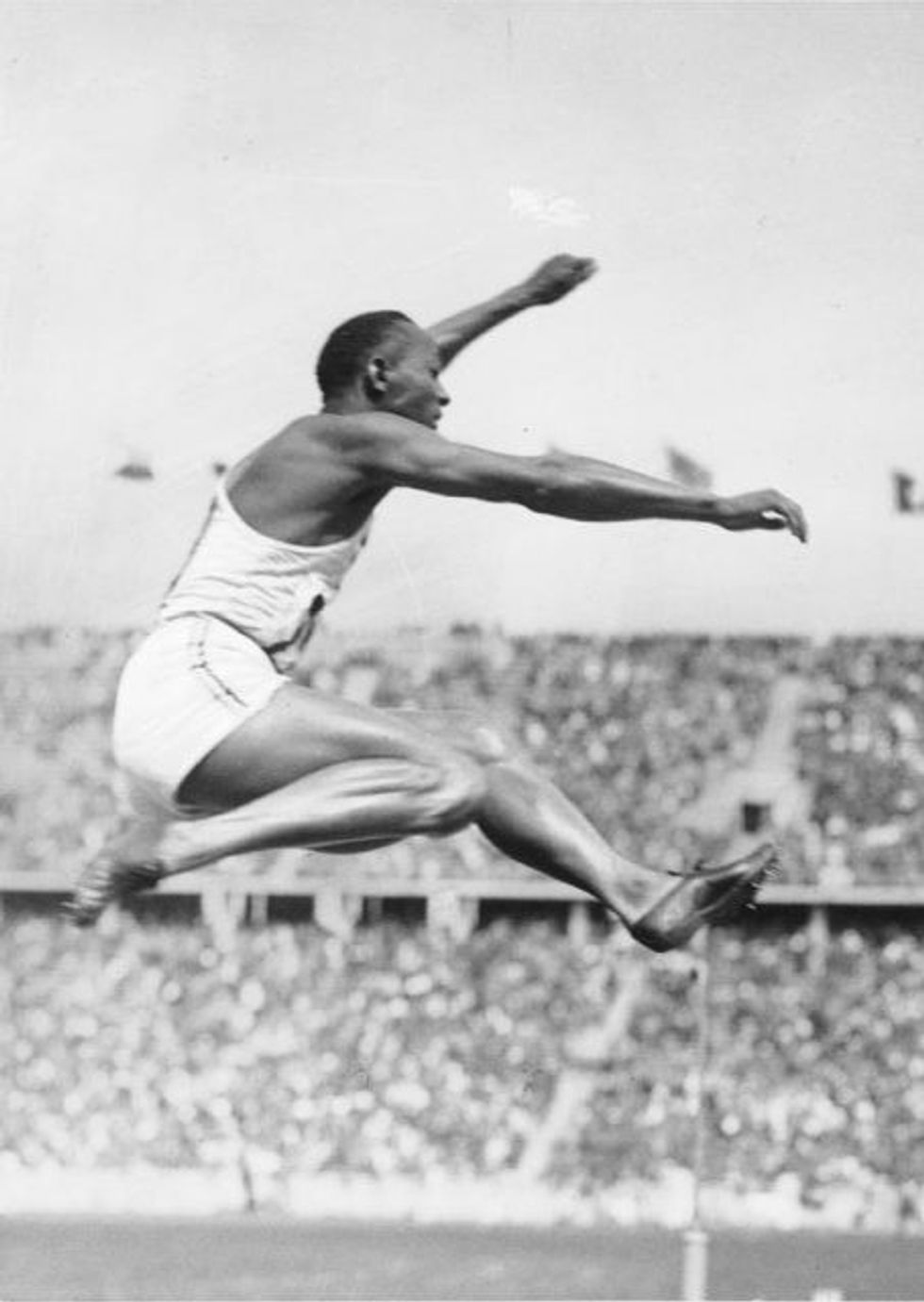
In an ironic moment, both party members took it upon themselves to "responsibility" for legendary African-American track athlete Jesse Owens to wear their shoes during the races.

Owens went on to win four gold medals during the games. Thus, the exposure of their product gave Dassler Shoes a huge boost in sales.
But despite or because of their success, tensions between the brothers grew.
Apparently, their wives didn't like each other much from the start.
Subsequently, it is said that there were various incidents that pushed them further and further away from each other.
The story even shows that during an Allied bombing, Rudi and his wife were stationed in a barracks. When Adi and his wife arrived, Adi made a comment about the city being expected to be bombed again. Rudi allegedly misinterpreted Adi's comment as a personal attack against him.
Later, Rudi was called up to fight in the German army. Rudi was convinced that Adi and his wife had deliberately planned to send him to the front and be killed.
Rudi was also arrested twice, first by the Nazis for deserting his post, then later by the Allies.
Rudi blamed Adi for all this.
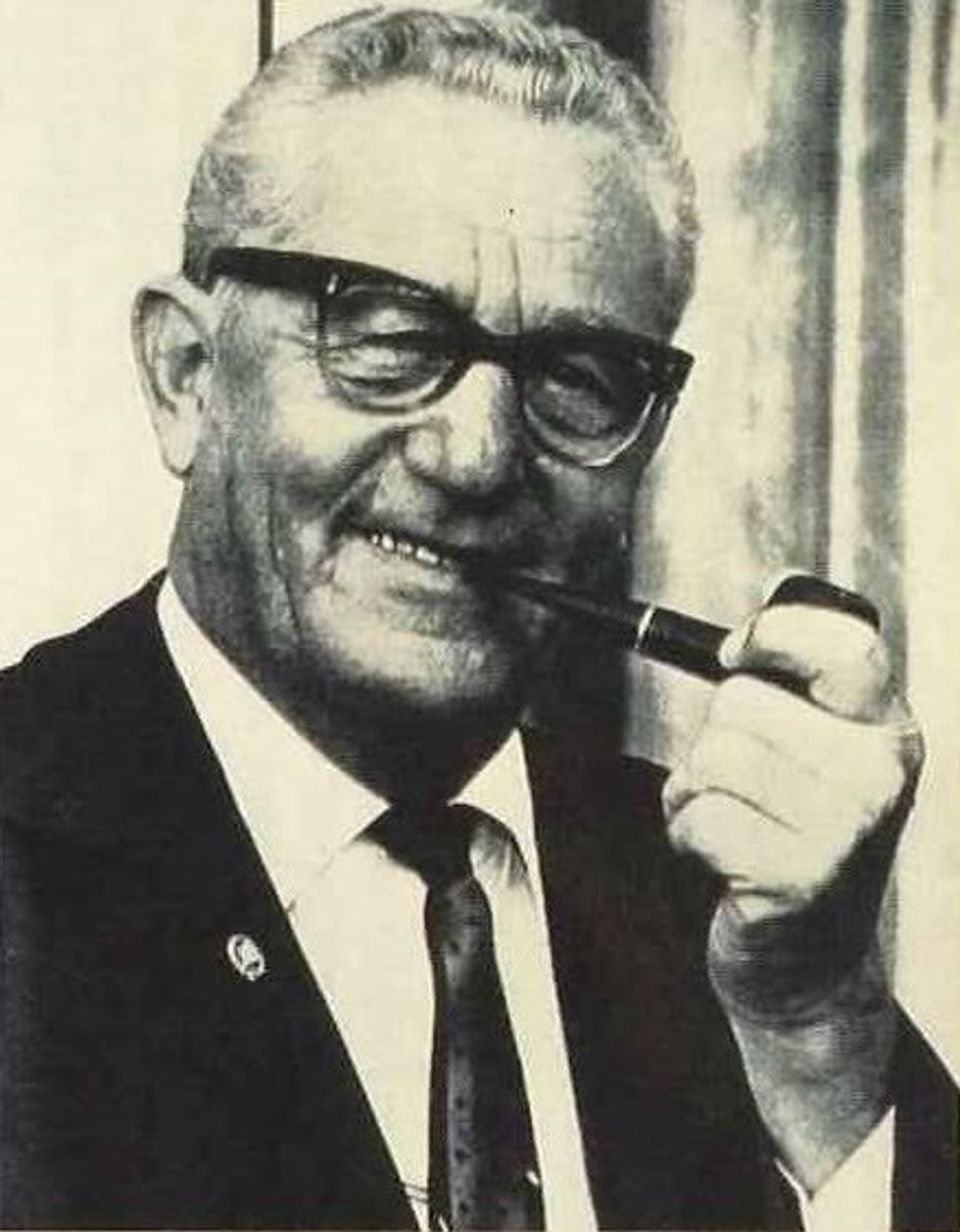
Meanwhile, when Rudy arrived as a prisoner of war, Adi began selling shoes to American servicemen.
Bad feelings between them remained and the company was split in half in 1948, including all assets and employees.
Adi named his new company "Adidas", a combination of his first and last names.
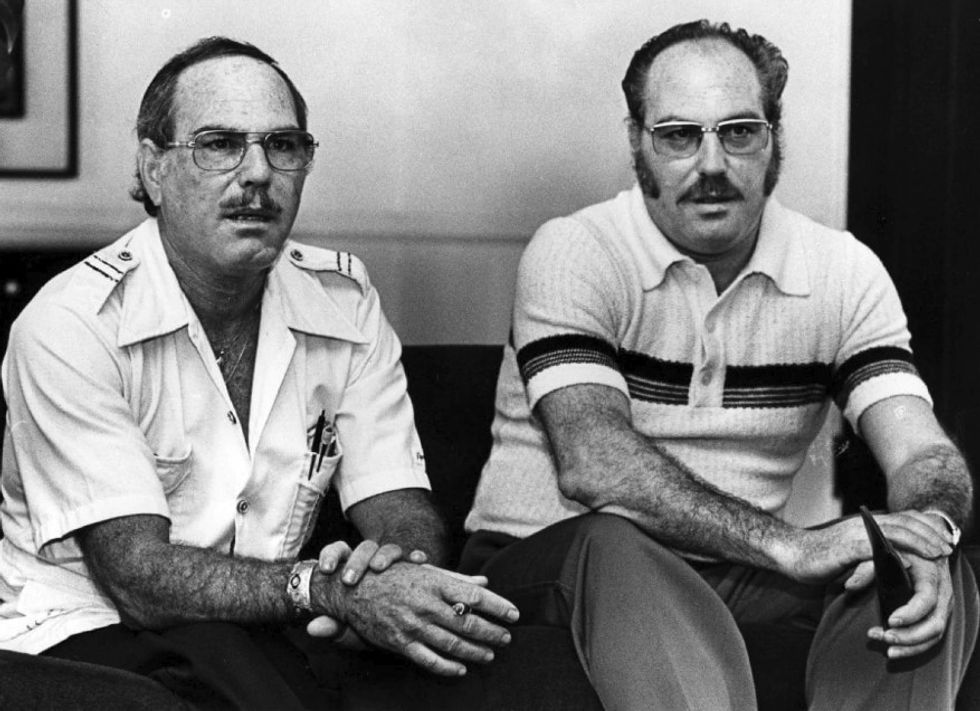
Meanwhile, Rudi initially named his company "Ruda", and later changed it to "Puma" - with a sports inspiration.
Two competing shoe factories were built, on opposite sides of town.
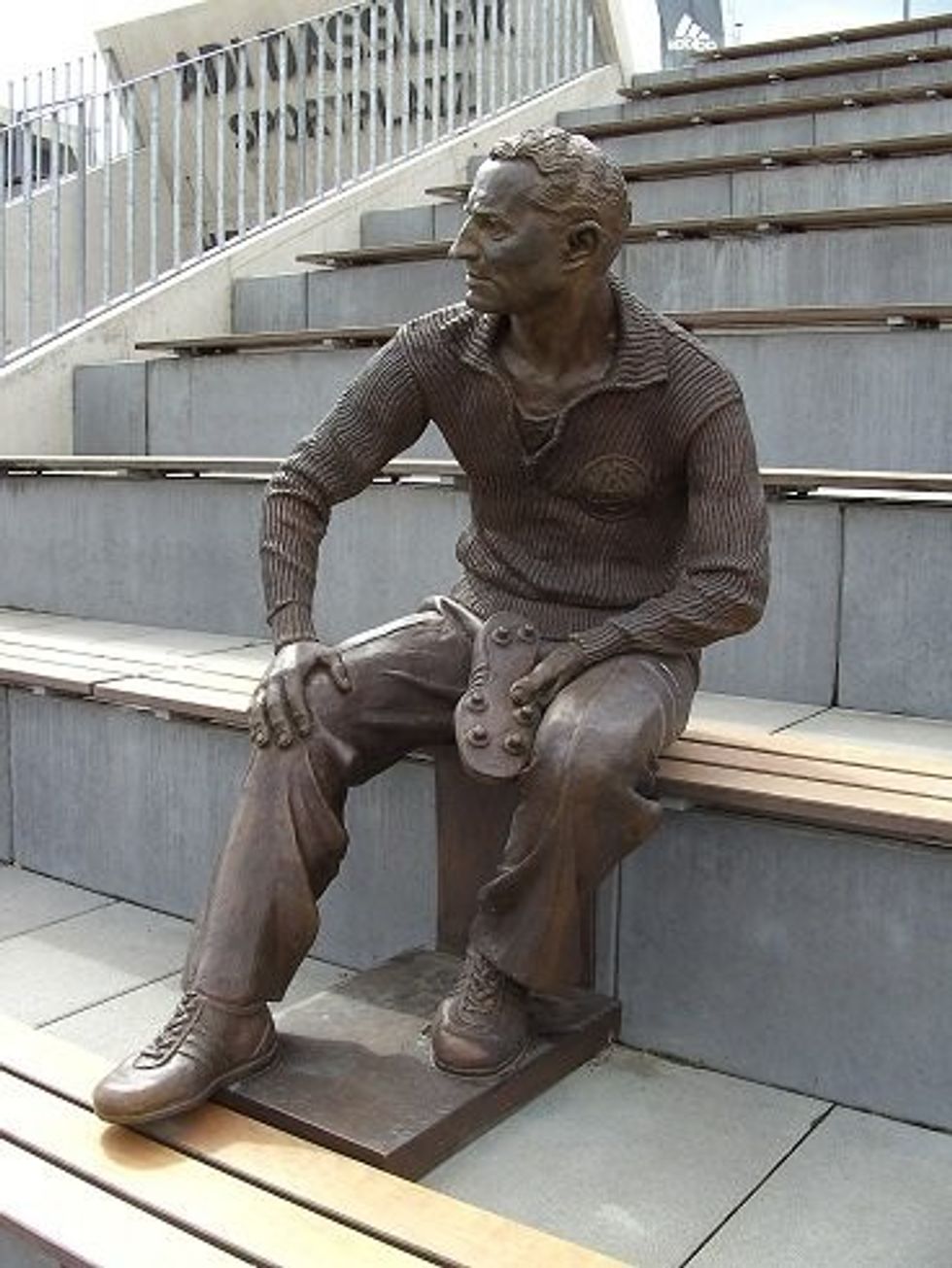
Herzogenaurach's economy was soon dominated by rival companies - most of the population in the city from this part were working for Adidas or Puma.
As it is said further, Telegrafi reports, the city was strongly divided by the "loyalty" of the company.
Receiving or meeting with someone from the rival company was prohibited, and there were businesses that would only serve Adidas or Puma customers.
But that's not all: It is assumed that people in Herzogenaurach would first look down and check out your shoe brand before deciding whether to strike up a conversation with others.
Meanwhile, both companies prospered for a time.

Rudi and Puma had better sales staff, while Adi and Adidas were stronger in technical components and athlete relations.
Adidas generally had greater financial strength compared to Puma.
While competing intensely against each other, a younger company would come together to dominate the athletic shoe industry.
That company was Nike, causing both Adidas and Puma to decline in sales.
And the "enmity" between them was not only while they were alive.
By the early 2000s, both brothers had died. They were buried at opposite ends of the cemetery in the same city, with as much distance between them as possible.
However, in a symbolic gesture to end the long-standing bitterness, in 2009, members of both companies agreed to play a relatively friendly game of football against each other. /Telegrafi/