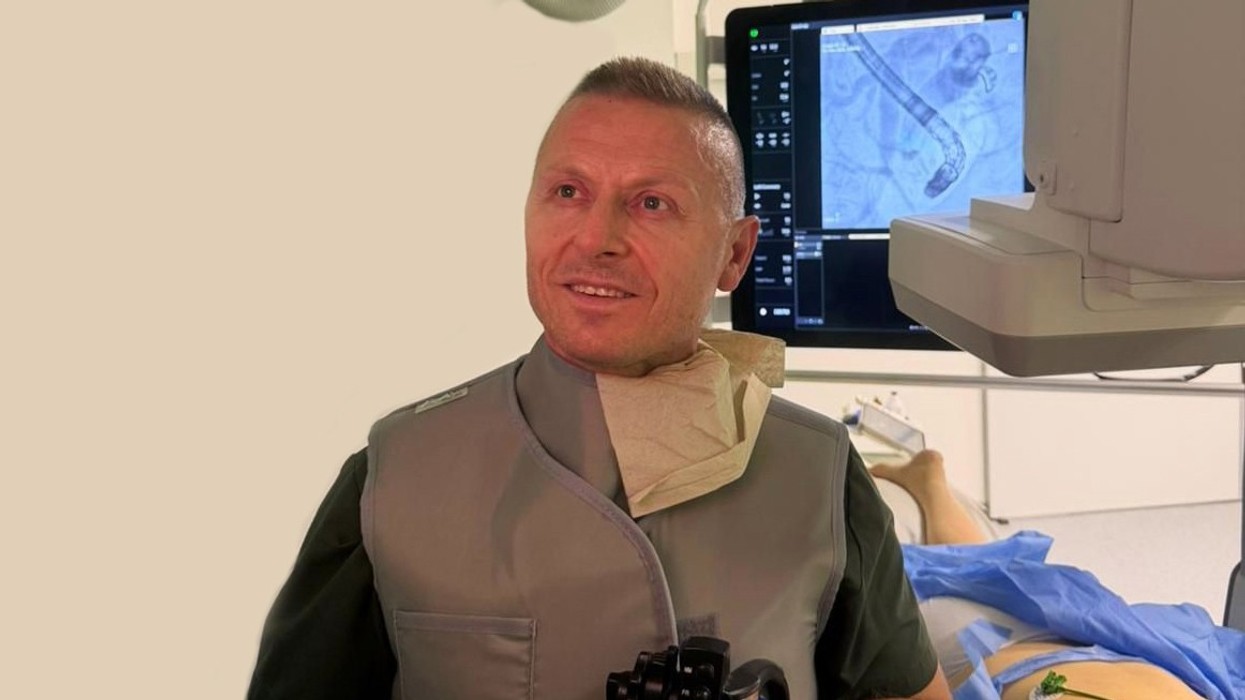


Teuta Bakija, podiatrist
"German Podiatry"
str. Tring Ismajli 19, Pristina
tel. 049-152198; 044-362532
Every person in his life walks 120.000 km, which means during his life, he goes around the world three times. Pharaohs in ancient Egypt as well as Hippocrates (the father of medicine), treated foot problems in soldiers who had problems.
Scientifically, the word Podiatry derives from the Greek language (Podo”s = foot/foot and Logie (logos) = science). Consequently, Podiatry ie. the science that studies the sole of the foot. In general, podiatrists work on the prevention and rehabilitation of injured feet.
The sole of the foot
The sole of the foot consists of 26 bones, 33 joints, 107 tendons (Achilles tendon) and 19 ligaments. The leg as a limb is very complicated, but at the same time very necessary for human life. Without legs we cannot walk, and when we cannot walk, diseases such as metabolic syndrome are created. If we have trouble walking, you may have disorders from the knees to the head.
Some of the symptoms that people may have if they have a problem with their feet are problems with their knees and jaws, and this is caused by an irregular (crooked) gait. The irregular gait is in millimeters and the person does not notice it, but during life the body, these millimeters all the time, is forced to balance them and for this reason, with age, problems such as Arthrosis in the knees, hips or back problems arise.
The biggest problems that can arise are wounds in people suffering from diabetes, which damages nerves and arteries. Therefore, due to nerve damage, people with diabetes do not feel walking, they walk erratically (distorted). By walking erratically, these people put pressure on the sole in the wrong place where it is not expected to maintain pressure and friction, and as a result hard skin is created. If this situation continues without treatment, a wound (ulcer) can develop and even amputation. The risk of suffering from this phenomenon is fifteen times higher in people suffering from diabetes than in other people. To prevent such a situation, regular visits to the podiatrist are necessary.
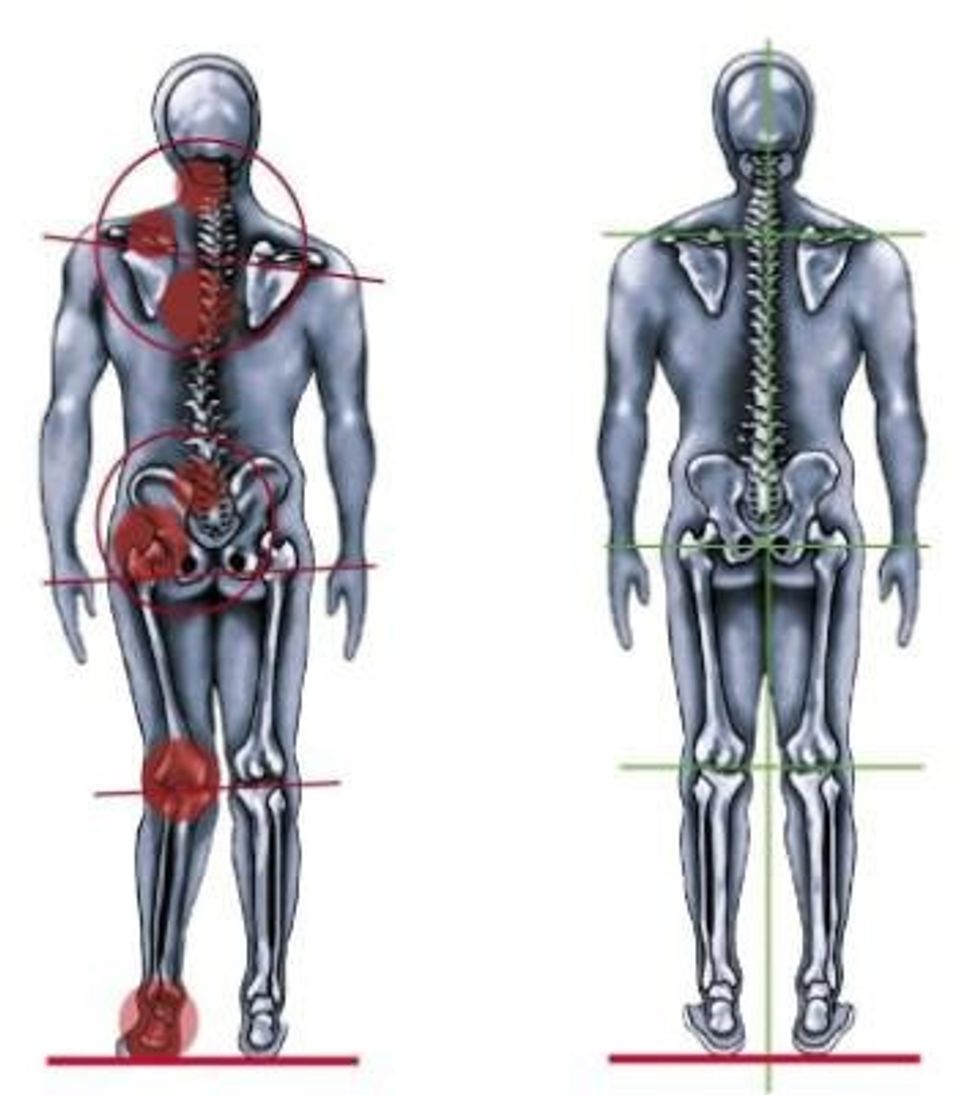
What did the podiatrist do?
Biomechanical tests - toe and foot movement tests; analysis of human gait.
Tests in people with diabetes for neuropathy "Vibration Rydell-Seifer- Test".
Treatment of calluses

Treatment of hard skin (Callositas)
Treatment of warts (Verruca vulgaris)

Treatment of mycotic nails, fungus (Onychomykosis)
Treatment of ingrown toenails without surgical intervention with Ross-Fraser wires (Orthonyxie).
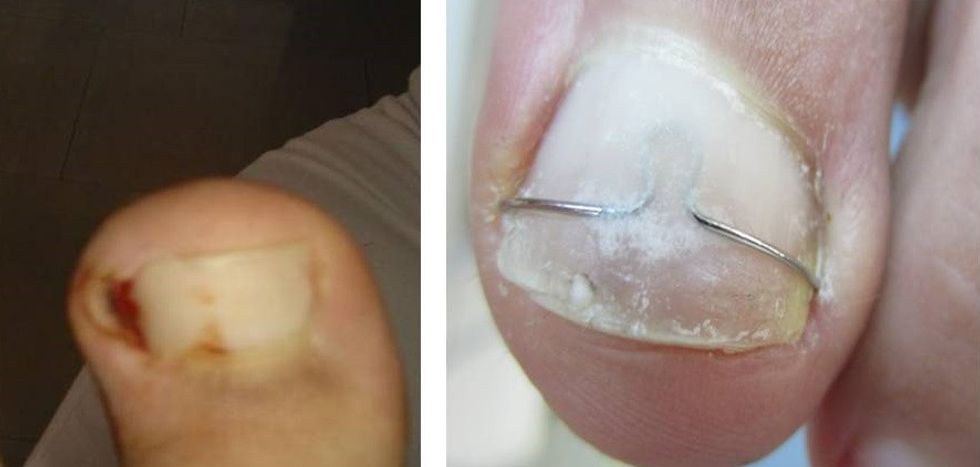
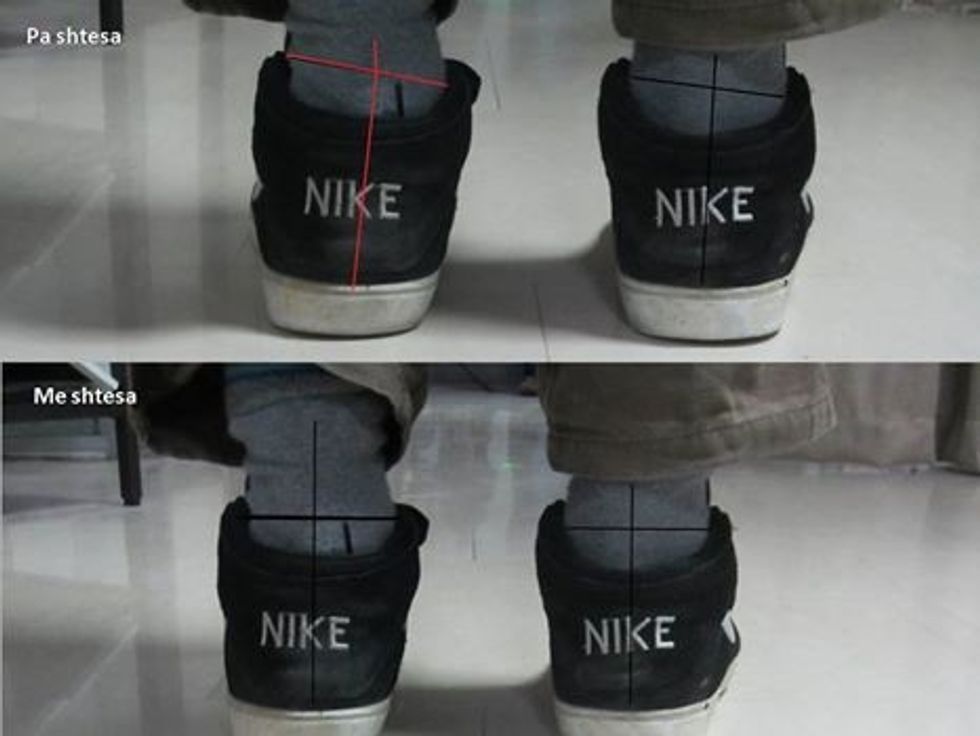
Before and after 3 months
Silicone orthosis to correct or reduce friction and pain relief of deformed toes (Hallux valgus, Quintus varus, Digitus malleolus, Digitus flexus, Digitus superductus)
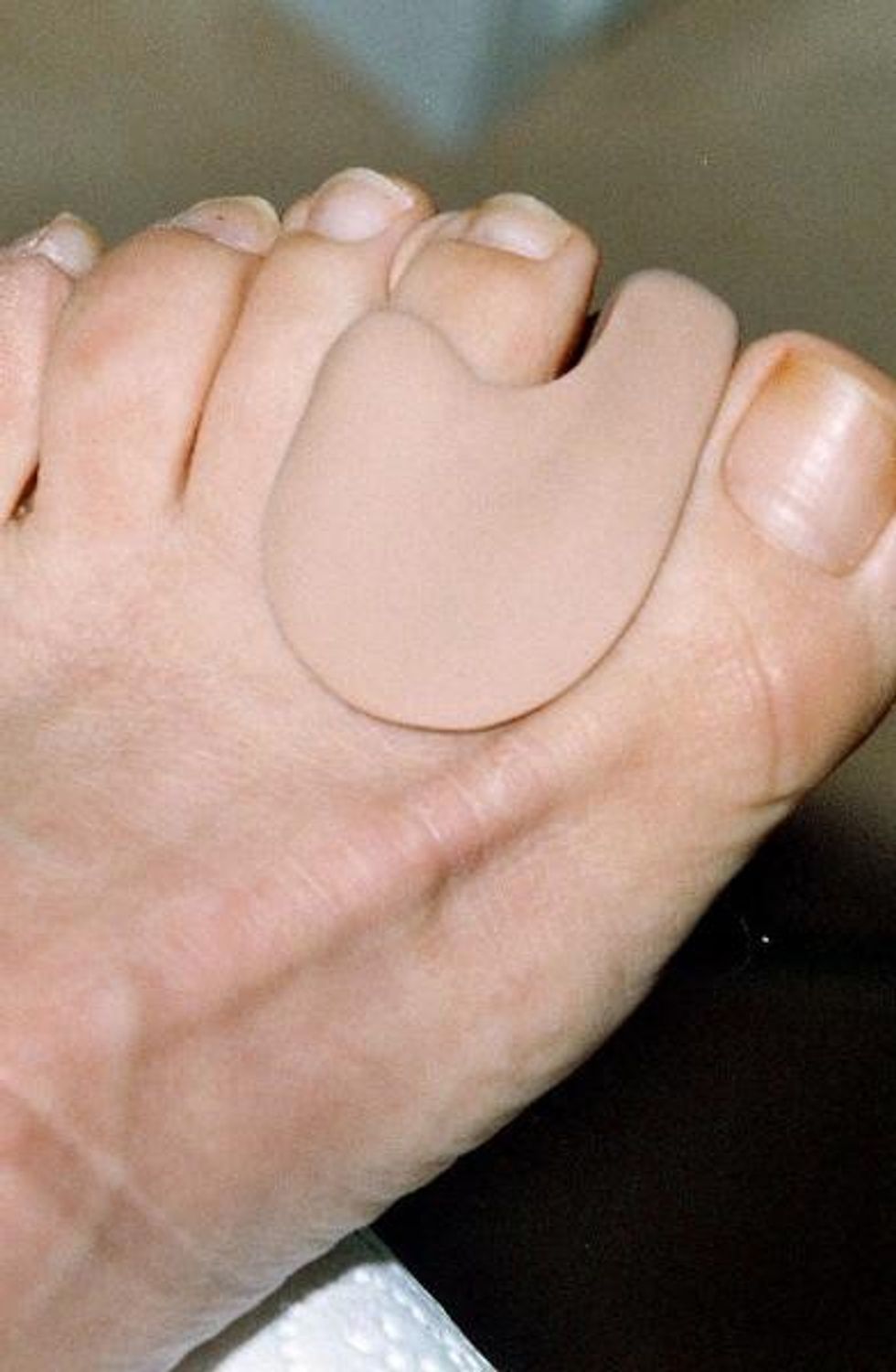
Treatment of diabetic ulcers or wounds in consultation with the Diabetologist (Ulcus cruris, malum perforanc pedis)
End of orthopedic layers (Pes valgus, Pes varus)
Foot acupuncture without needles, but only with massage – a treatment of Chinese origin.
/Telegraph/