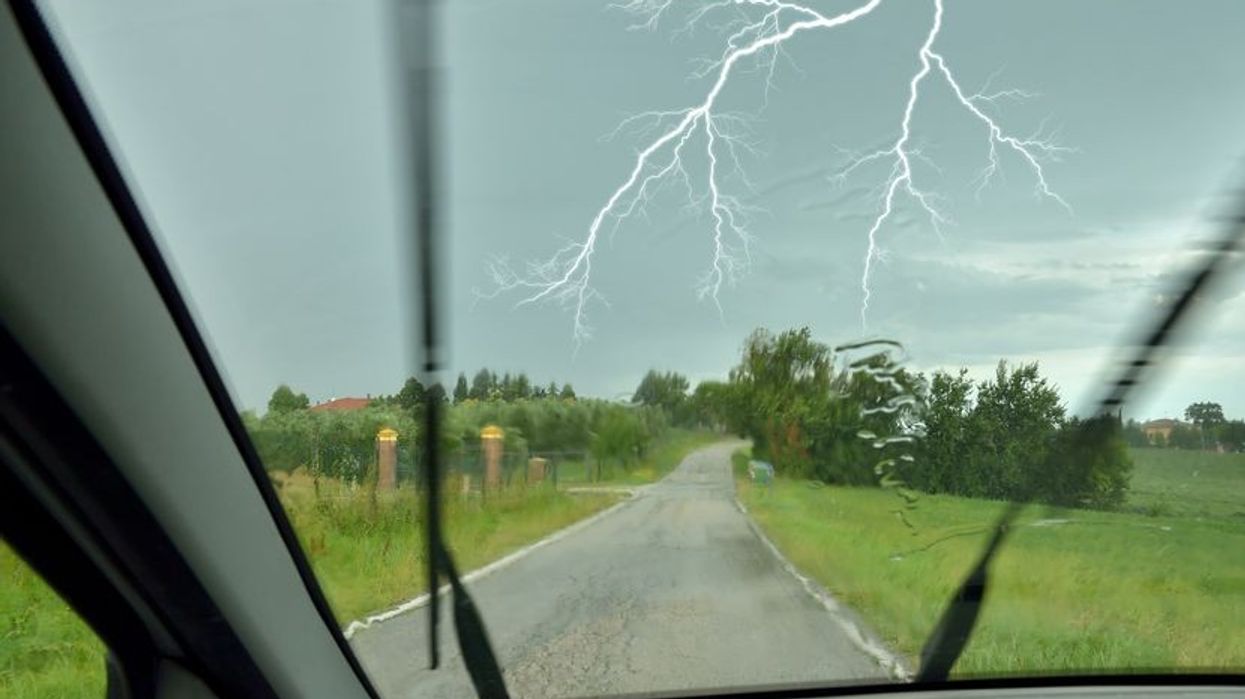
While cars with SUS engines have proven their resistance to lightning strikes over the years, the question is how similar situations apply to electric vehicles.
Experience shows that electric vehicles can withstand lightning just as well as standard cars. Lightning current naturally tends to ground, and thanks to the tires, electric vehicles are insulated and safe during a lightning strike. The vehicle's metal body acts as a shield, diverting electrical energy from the interior of the vehicle, keeping passengers safe, they write. MEDIA.
However, the Australian Fire and Rescue Service (NSW) warns that in the event of a crash, fire or submersion of an electric vehicle, extreme care should be taken due to possible compromise of the high voltage battery.
A quick check of the vehicle for possible damage after a lightning strike is recommended and, in case of uncertainty, consultation with a qualified technician or roadside assistance service.
When it comes to storms, many people wonder, is it safe to charge an electric car during a storm?
Although charging as such is not dangerous, it is important to be careful when connecting the vehicle to the charger. Specialized connectors are designed to leak a minimal amount of water during charging, and vehicle systems perform detailed checks before allowing electricity to flow.
Tim Washington, CEO of Jet Charge, emphasizes the importance of checking the plug cable, especially when charging in wet weather. Any damage or exposure to the cable may pose a hazard, so it is essential to ensure that the device is in working order before use.
Basically, electric cars are designed to be safe and reliable, even when the sky is lit up by lightning. With proper handling and care, drivers can be completely safe during storms. /Telegraph/