
Softer, quieter and more economical – the solution that is increasingly preferred by families
Laminate has been considered one of the most popular flooring solutions for homes for years. People have chosen it willingly because of its wood-like appearance, but also because of its relatively simple installation. However, in recent years, there has been increasing talk of another alternative – modern linoleum with a felt layer, which, according to craftsmen and renovation specialists, can solve a number of problems that often arise with laminate.
The main feature of this flooring, which is increasingly replacing laminate, is the thick layer of felt, which serves as thermal insulation. Thanks to this, the floor is significantly warmer compared to classic laminate. Even when installed on a concrete base, the surface remains pleasant to walk on barefoot, especially during the cold months.
Another big advantage of this new trend is its quietness. Felt dampens the sound of footsteps and falling objects, so the floor doesn't echo, as is often the case with laminate. This is especially important in buildings where there is a high level of audibility between floors.
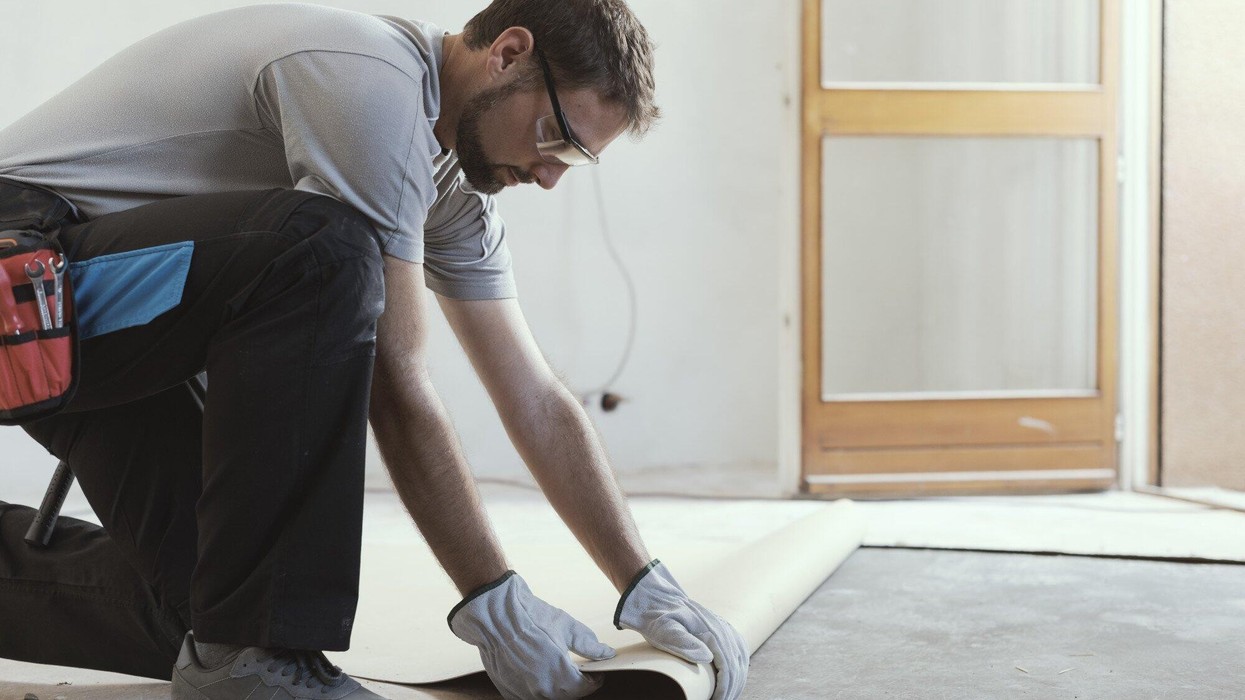
The third reason why many people choose this type of flooring is the ease of installation. Linoleum comes in rolls, just lay it on the floor, let it straighten for a while, and then cut off the excess along the edges. In most cases, the material is fixed with side tape or double-sided adhesive tape. For a room of about 18 to 20 square meters, it usually takes about an hour of work, reports Telegraph.
Where is it best to place this floor?
Specialists recommend linoleum with a felt layer mainly for bedrooms, living rooms and children's rooms. In these spaces, its main advantages are best displayed - softness, warmth and good sound insulation. It can also be laid in corridors, but in this case it is important to choose models with a higher degree of wear resistance, such as classes 32 or 33. Such floors better withstand dirt, sand and intensive daily use. For kitchens and bathrooms there are special variants that are resistant to moisture and have a protective layer with a thickness of at least 0.3 millimeters. If installed correctly, they can easily withstand regular cleaning and occasional water spills.
What to consider when buying
When choosing this flooring, experts advise paying attention to three main factors. The first is the wear resistance class. For a standard apartment, classes from 23 to 31 are usually sufficient, while for corridors and more frequented spaces, classes 32 or 33 are recommended. The second important parameter is the thickness of the protective layer. It is considered that the optimal value is 0.3 millimeters or more, because a thicker layer means slower wear of the surface. The third factor is the quality of the base. Dense and high-quality felt makes the floor softer, warmer and improves acoustic insulation even more.
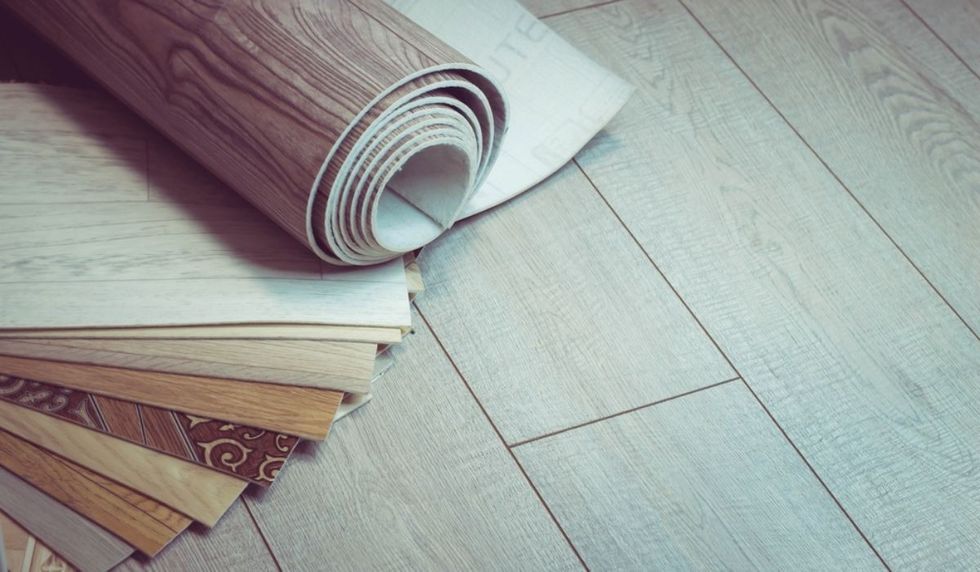
Today, manufacturers offer linoleum in a variety of designs – from wood and stone imitations to parquet. Visually, these floors often look almost the same as more expensive materials, but are significantly more economical and much faster to install.
/Telegraph/