

After a month and a half of conflict in the Middle East, the United States and Iran agreed on Tuesday to a two-week ceasefire.
This agreement was reached just under two hours before the deadline set by US President Donald Trump, who had previously threatened to destroy an "entire civilization".
This threat, which critics warned could constitute a war crime if carried out, appears to have been averted at the last minute.
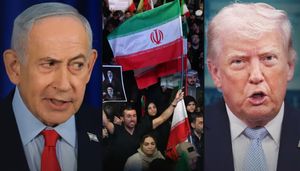
However, there is a wide gap between the two countries, each of which presented the temporary ceasefire as a victory for itself, writes cnn.
The ceasefire serves as a starting point for further negotiations, while it remains to be seen what final terms could be included in an agreement that would put an end to a war that has rocked the Middle East and caused a historic disruption to the global oil market.
What have the US and Israel said?
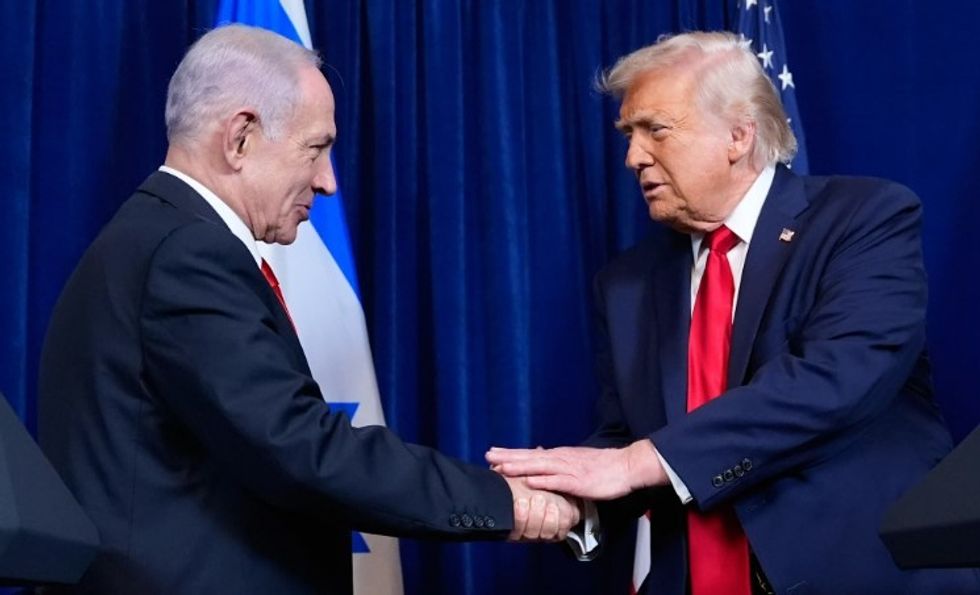
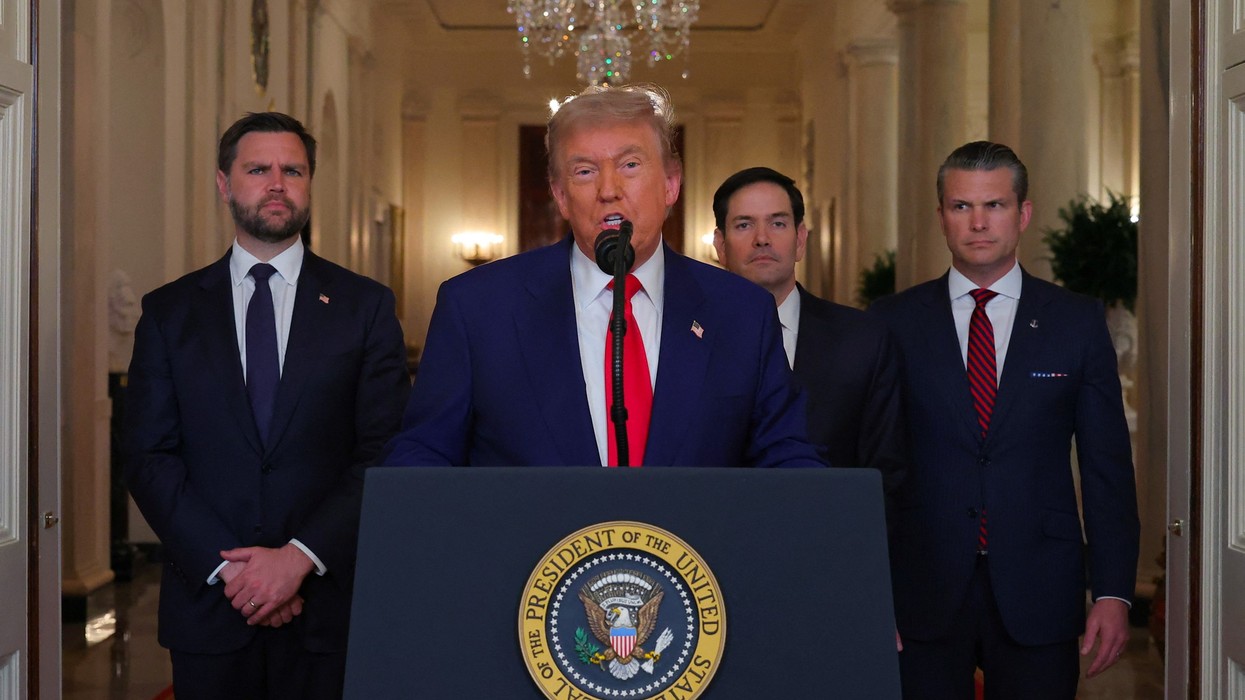
Donald Trump announced the ceasefire through a message on Truth Social, emphasizing that the agreement was reached on the condition that Iran agree to reopen the strategic Strait of Hormuz, through which a fifth of global oil flows.
He added that the ceasefire was brokered by Pakistan's prime minister and its military chief. Iran had proposed a 10-point plan, which the United States sees as "a viable basis for negotiation," the 79-year-old said.
He said that the next two weeks will serve to prepare a final agreement, reports Telegrafi.
As the ceasefire took effect on Wednesday, US Vice President JD Vance described it as a "fragile ceasefire" that had taught him many lessons about Iran.
In an interview with the AFP news agency on Tuesday, Donald Trump described the deal as a "total and complete victory".
However, he declined to say whether he would follow through on previous threats to destroy Iran's civilian infrastructure if Tehran did not comply with the deal, saying only that "you'll have to see."
Later, shortly after midnight, in a post on Truth Social, he added that the United States would “help manage traffic in the Strait of Hormuz,” emphasizing that this “will bring huge profits.”
US sources told CNN that the Trump administration is preparing for potential face-to-face negotiations, possibly in Islamabad, where the Pakistani prime minister has invited both sides to send delegations.
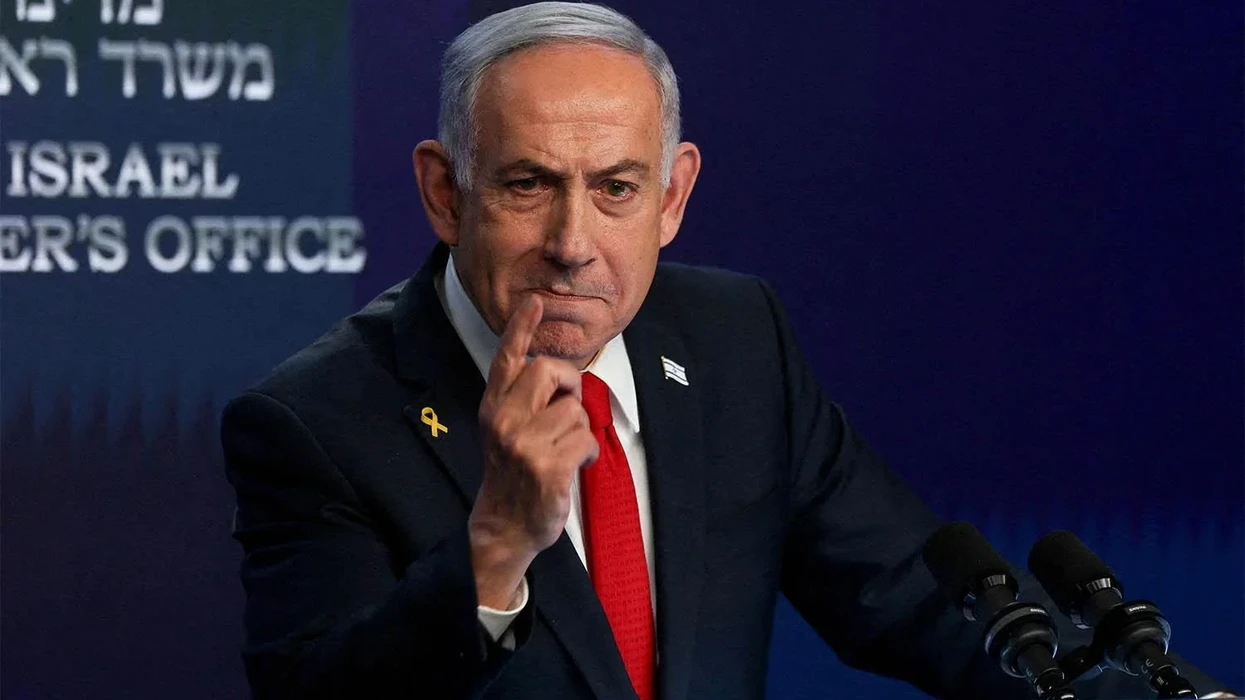
Israel is part of the ceasefire and will also stop bombing Iran, Prime Minister Benjamin Netanyahu's office said, but stressed that this does not mean the conflict is over.
However, it became clear that Lebanon is not part of the ceasefire, contradicting statements by the Pakistani prime minister that it was. Trump did not mention Lebanon in his statement.
What has Iran said?
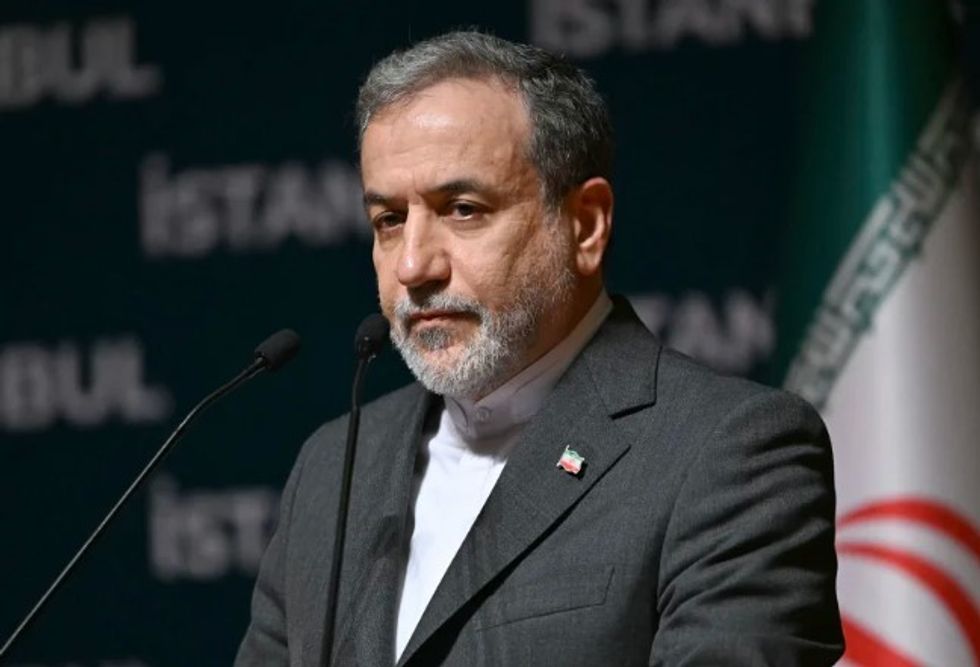
Iranian Foreign Minister Abbas Araghchi stated that if attacks on Iran stop, Iranian military operations will also stop.
He added in a message on the X platform that the country's military will coordinate the safe passage of ships through the Strait of Hormuz during the ceasefire period.
Iran's semi-official Tasnim News Agency reported that Iran and Oman plan to impose transit fees on ships passing through the strait during the ceasefire, with the funds collected earmarked for reconstruction. CNN has reached out to Oman's Foreign Ministry for comment.
Iran's Supreme National Security Council, the country's top security body, issued a harsher statement, saying it had forced the United States to accept the 10-point Iranian plan as a basis for talks, and described the ceasefire as a "permanent failure" for Washington.
The statement also mentioned the possibility of talks in Islamabad, warning that "if the enemy makes even the slightest mistake, he will be confronted with the full force of Iran."
What are the terms of the ceasefire?
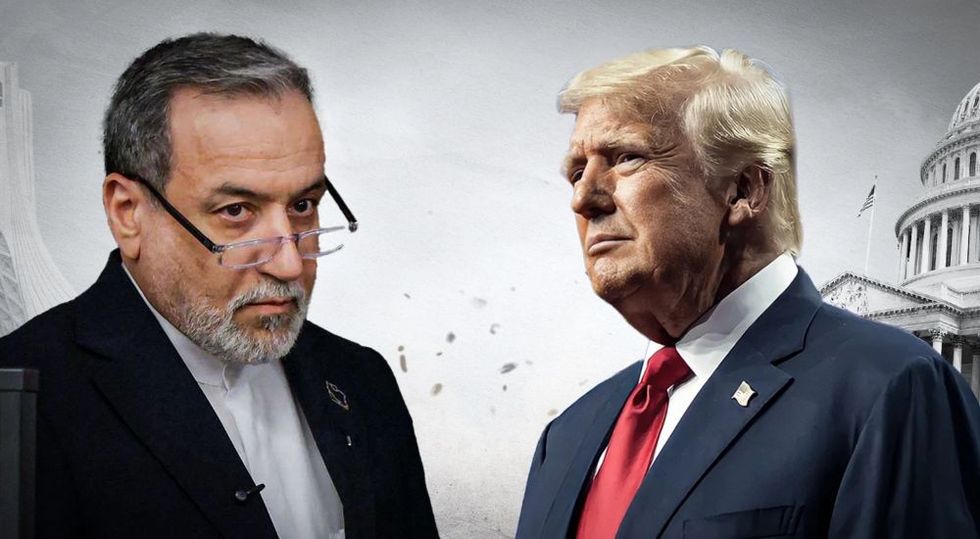
Abbas Araghchi said that while Washington had accepted the "general framework" of the 10-point Iranian plan as a "basis for negotiations," Iran was considering a 15-point US plan for its part.
The full details of this American plan have not yet been released, but it is believed to include:
- Iran's commitment to not having nuclear weapons
- Delivery of highly enriched uranium
- Limitations on Tehran's defense capabilities
- Banning regional proxy groups
- Reopening the Strait of Hormuz
Other points being discussed include recognizing Israel's right to exist, according to two regional sources.
However, Iran had previously rejected the 15-point plan, with an official describing the demand as "largely excessive, unrealistic and unreasonable" on Monday - despite Trump declaring in late March that Tehran had accepted "most of" the points.

While the White House has not provided details about the content of the 10-point Iranian plan, Iran's Supreme National Security Council has published the main parts of this plan.
CNN has received this information from Iranian officials, and it has also been reported by several Iranian state media outlets.
The plan included:
- Regulating passage through the Strait of Hormuz
- Stopping attacks on Iran and its regional proxy forces
- Withdrawal of US forces from the region
- Compensation for Iran
- Lifting international sanctions and releasing frozen assets
- A binding UN resolution to secure any final peace agreement
Some versions of Iran's National Security Council statement, widely distributed by Iranian state media in Farsi and English, also included a claim by Iran to the right to nuclear enrichment.
The Iranian embassy in India also published a summary of the 10-point plan on its verified Twitter account, which included "accepting nuclear enrichment."
CNN has contacted US officials and the Iranian Foreign Ministry for further comment.
In his interview with AFP, Donald Trump stressed that Iran's uranium would be handled "perfectly or I wouldn't have done the deal." /Telegraph/