
Gruaja serbe që ndikoi në zgjerimin e Perandorisë Otomane
Nga: Daut Dauti
Netflix, deri diku edhe Prime, është duke bërë revolucion në kinematografi. Netflix me produksionin e vet ia ka sjellë shikuesit kinemanë në shtëpi duke ofruar format të ri të filmit, sidomos të serive. Mbi të gjitha, Netflix-in duhet lavdëruar për programet dokumentare, sidomos për ato historike. Fjala është për serinë “Rise of empires” (Ngritjet e perandorive), siç janë ato për Perandorinë Romake dhe atë otomane, por edhe për perandoritë tjera siç janë ato Austro-Hungareze, Britanike, Ruse dhe e sundimi arab në Spanjë.
Këto seri janë tejet profesionale dhe, si të tilla, kontribut serioz në sistemin arsimor. Janë të formatit të ri ku flasin historianët kompetentë të fushave përkatëse e që pastaj shoqërohen me skena të filmit artistik.
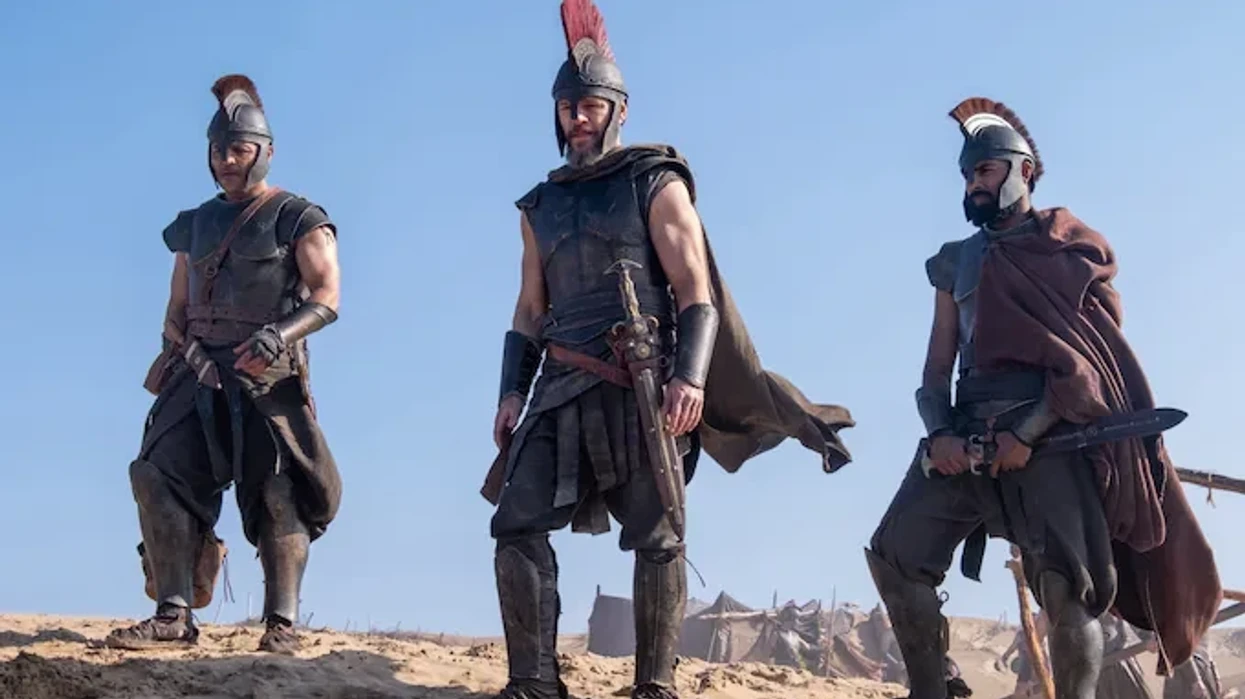
Para pak ditësh ka filluar shfaqja e serisë së dytë “Ottoman Empire”, që është vepër e skenaristes dhe producentes së njohur amerikane Kelly McPherson dhe regjisorit turk, Emre Şahin. Aktrimi është po ashtu i shkëlqyeshëm ku Cem Yiğit Üzümoğlu luan rolin e sultan Mehmetit II, Tommaso Basili (Konstantini XI), Tuba Büyüküstün (Mara Brankoviq), Daniel Nuta (Vlad Impaler apo Vllad Ngulitësi). Rrëfimi bazohet në të dhënat e historianëve: Roger Crowley, Lars Brownworth, Jason Goodwin, Marios Philippides, Michael Talbot, Emrah Safa Gürkan etj.
Skenaristja dhe regjisori kanë zgjedhur sulltan Mehmetin II (1432-1481) dhe Mara Brankoviqin (1416-1478), e njohur edhe si Hatuna Mara Despina apo Sultana Marija, si dy personazhe kryesore që dominojnë në të dy seritë. Mënyrë shumë e qëlluar e rrëfimit.
Përndryshe, Mara Brankoviqi ka lindur në Kosovë, gjegjësisht në Vushtrri. Në vitin 1432 despoti serb, Gjuraq Brankoviq vendosi t’ia ofrojë për grua sulltan Muratit II vajzën e tij 16 vjeçe, Marën, për të cilën flitet në këto seri. Për këtë rast, kronisti Ashik Pasha Zade ka shënuar se emisarët e despotit serb kishin shkuar te sulltani, të cilit i kishin thënë:’ Perandor, Zotëri, ju lutemi pranojeni vajzën tonë për konkubinë, ashtu siç e ka pranuar edhe gjyshi i Juaj, Bajaziti, vajzën tonë Olivera Lazareviqin’.
Sa i përket nënës së sulltan Mehmeti II, thuhet se ajo ka qenë bizantine nga Konstantinopoja. Disa mendojnë se ka qenë greke kurse një grup tjetër i historianëve potencon se ka qenë shqiptare. Pa marrë parasyshës origjinën, burri i saj, sulltan Murati II, për arsye të panjohura e largon nga pallati (haremi), kështu që Mehmeti mbetet pa nënë në moshën ndoshta gjashtëvjeçare. Gruaja tjetër e sulltanit, më e favorizuara, Mara Brankoviqi, e cila nuk kishte fëmijë, e merr Mehmetin për ta edukuar dhe rritur si djalë të saj dhe sundues të ardhshëm. Prandaj, Mehmeti edhe në film i drejtohet Mara Brankoviqit me “Mother Mara” (Nëna Marë).
Nëna Marë, bija e sunduesit serb Brankoviqit dhe Eirene Kantakouzeneit që ishte nga familja sunduese e Bizantit, ka qenë grua me ndikim të madh në pallatin perandorak otoman. Siç thotë një fjalë, ajo e ka sjellë pallatin n’gisht. Duke qenë e lidhur edhe me katër dinasti evropiane dhe nga fakti që nuk ishte konvertuar në myslimane sikur shumë gra tjera në pallat, ajo kishte autoritet edhe jashtë territorit otoman. Pa marrë parsysh që nuk ishte konvertuar në myslimane - pasi që nuk kishte nevojë se këtë gjë nuk e kërkojnë rregullat myslimane - Nëna Marë e kishte përqafuar idenë e otomanizmit dhe ishte bërë otomane deri në palcë.
Kur Mehmeti II e merr fronin perandorak, e cila gjë jepet edhe në film, e thërret Nënën Marë në audiencë dhe i tregon se ajo duhet tashti të shkonte në Serbi. Burri i kishte vdekur dhe tashti ajo nuk kishte arsye të qëndronte në pallat ku në esencë ishte si dhuratë, tatim apo garanci e vasalitetit të Serbisë ndaj sulltanit. Nëna Marë duke menduar se Mehmeti, “biri” i saj, tashti sulltan, po e dëbonte nga pallati, e pyet: “Sulltani im, a nuk i kam shërbyer perandorisë sa duhet”?
Por, sulltani largpamës nuk po e dëbon Marën. E dërgon në Serbi me detyrë të diplomates apo thënë më mirë të spiunes. Ajo duhej ta pengonte krijimin e aleancës serbo-hungareze. Mehmeti e planifikonte rrethimin e Kostandinopojës, të cilit vend nuk duhej t’i vinin ndihmat nga jashtë se do ta dobësonin forcën otomane. Dhe, Nëna Marë arrin ta zbulojë dhe parandalojë tendencën e krijimit të aleancës serbo-hungareze. Ia tërheq vërejtjen babait të saj se një veprim i tillë ishte i gabueshëm dhe se Perandoria Otomane ishte e fuqishme saqë Serbia do ta humbte edhe pozitën e vasalitetit. “Perandoria do ta shkatërrojë ushtrinë tënde”, i thotë Mara babait të saj. “Ushtrinë time?! A nuk është ushtria e Serbisë edhe e jotja? Ke qëndruar shumë gjatë në oborrin e otomanëve”, - i përgjigjet sunduesi serb bijës së tij të cilën ai tenton ta martojë me perandorin bizantin. Por, Nëna Marë nuk është e interesuar ta lëshojë pallatin perandorak otoman me këmbim të asnjë gjëje, sepse ajo ishte e bindur se Kostandinopoja do të binte në duart e Mehmetit.
Madje, edhe nga Serbia ajo bëhet forca kryesore morale për mbështetjen e rrethimit dhe rënies së Kostandinopojës. Në film tregohet rasti kur udhëton nga Serbia për t'u takuar në mënyrë sekrete me sulltanin, gati të demoralizuar nga rrethimi gjatë, për ta bindur që t’i vazhdonte sulmet për shkak se kishte zbuluar se profecitë dhe të dhënat astrologjike paralajmëronin se ai do ta pushtonte qytetin dhe do të bëhej sundues i botës.
Nëna Marë kthehet në Kostandinopojë, tashti Stamboll, për ta uruar “birin” e saj për suksesin e ri dhe për të qëndruar në pallat sërish si gruaja kryesore dhe më e afërta me sulltanin.
Edhe në serinë e dytë ajo është këshilltarja dhe diplomatja kryesore. I qëndron pas iniciativës për mposhtjen e Vllad Drakullës dhe kthimit të Vllahisë nën sundimin otoman. Sulltani sërish e dërgon Marën në Hungari për të biseduar me mbretin hungarez dhe për të ndikuar që ai të mos i ndihmonte Vlladit. Madje, ajo paraqitet si diplomate e shkëlqyeshme pasi që ka aftësi edhe ta frikësojë mbretin hungarez.
Mara ka qenë e rëndësishme edhe për rolin e saj në negociatat e otomanëve me Venedikun. Ajo praktikisht e ka udhëhequr ministrinë e Jashtme otomane.
Nëna Marë vdiq në Stamboll në moshën 70-vjeçare ku jetoi si grua me ndikim të madh dhe shumë e pasur pasi që “biri” i saj, Mehmeti II i dha toka dhe manastire në posedim. Me kërkesë të Kishës Ortodokse, ajo u varros në manastirin e Ikosifinecës në Kosinicë (Greqi).
Për shkak të rolit të saj në zgjerimin e Perandorisë Otomane, historia serbe nuk i ka kushtuar ndonjë kujdes kësaj gruaje (serbe) të rëndësishme. Këtyre ditëve, shtypi serb, për shkak të mënyrës se si është portretizuar Serbia dhe Mara Brankoviqi, serinë “Rise of Empires: Ottoman” e ka cilësuar si kontroverse. /Telegrafi/