

The rapid spread of artificial intelligence in media content production is creating new challenges for regulators, media and the public, especially in the context of disinformation and electoral processes.
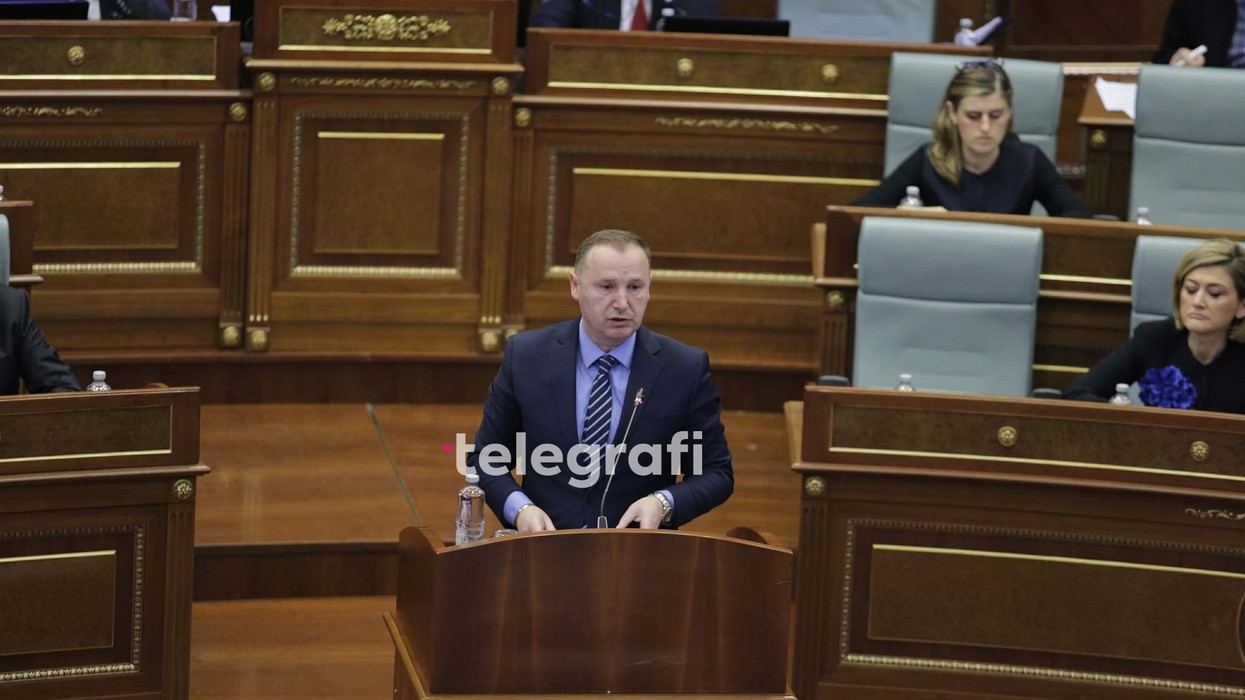
in "Confrontation Podcast"Niman Racaj, Acting Chief Executive Officer of the Independent Media Commission, has emphasized that artificial intelligence is radically transforming the way content is created, but it does not change the fundamental principle of editorial responsibility.
"Any content that is produced with artificial intelligence must be transparent and clearly indicated as such, so as not to create confusion among the public," Racaj stated, according to Telegrafi.
According to him, despite the lack of a specific legal act on artificial intelligence, legal responsibility does not disappear.
"Artificial intelligence does not exclude responsibility. The editor must be responsible, the responsibility falls on the one who publishes the content," he emphasized.
Racaj has assessed that the benefits of artificial intelligence are great, but the risk of its misuse for disinformation is equally serious.

"Distributing false content today is much easier and reaches the public much faster," he said, adding that this makes it necessary to establish clear standards for the media.
According to him, regulation should not be seen as a restriction of media freedom, but as a protection of the public interest.
"Our very existence as a regulator is to protect the public interest, and the public interest is protected by setting clear standards and criteria," Racaj declared.
What next? Media content and education
Speaking about the next steps, Racaj emphasized that the regulation of artificial intelligence in the media cannot occur in isolation from the regulation of online media in general.
"If we don't regulate the issue of online media, it will be very problematic to move to the next stage of regulation, which is artificial intelligence," he said.
- YouTube www.youtube.com
He added that content should be the focus of regulation, not the technology through which it is distributed.
"Content should be the main objective of regulators, not the way it is conveyed to citizens," Racaj declared.
In this process, he also emphasized the key role of media education.
"Media education has become much more necessary, especially with the rapid development of technology and new platforms," Racaj said, adding that this requires institutional involvement and a national strategy../Telegraph./