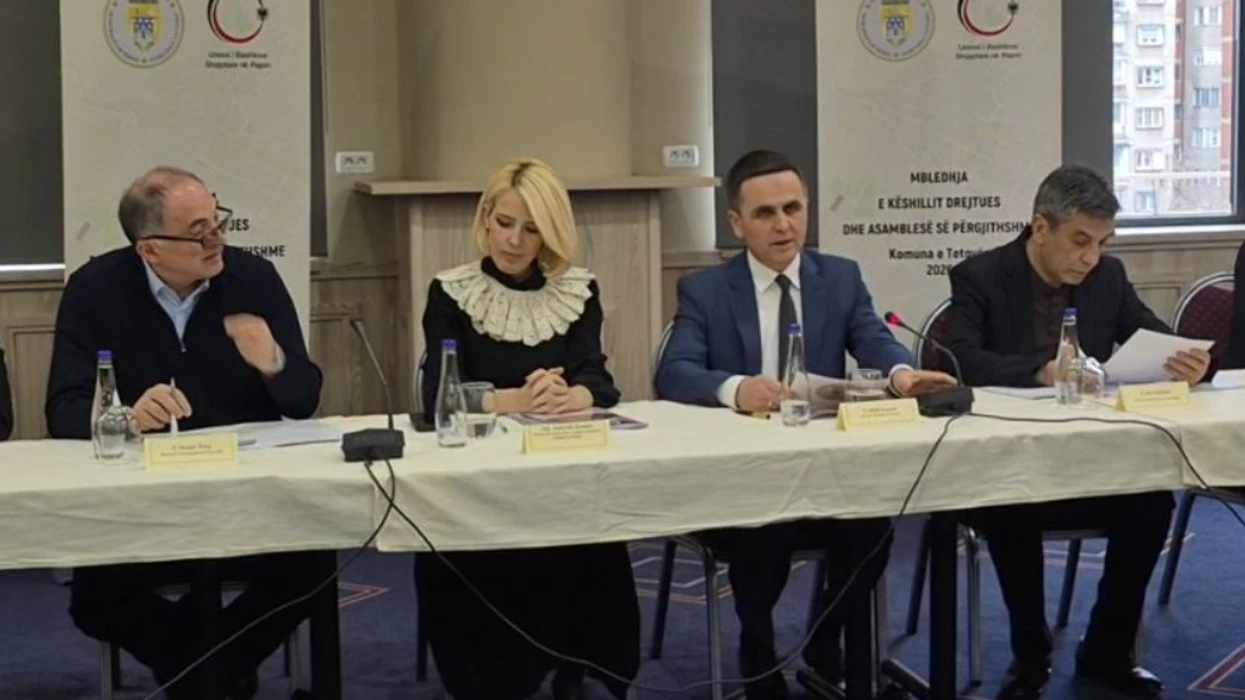
Arben Fetai reacted on Facebook after being left out of the process of merging VLEN into a party. He draws parallels with the French Revolution and the situation in VLEN, saying that "when a movement starts consuming its people due to the appetites of factions, one of them may temporarily strengthen, but in the end, the movement eats its own head."
Below is Arben Feta's full reaction:
“The revolution eats its own children”… and in the end eats its own head. This expression was born during the French Revolution, which overthrew the absolute monarchy under the ideals of liberty, equality and fraternity, but which ended in discord, terror and self-destruction. The revolutionary forces were extremely heterogeneous and united almost on one point: the overthrow of the monarchy. The main factions that achieved this goal were the Girondins, the Jacobins and the moderates “Feuillants”. The Girondins sought a decentralized republic with strong regional autonomy. In 1793, they were targeted by the Jacobins and eliminated. Their leaders, including Vergniaud, to whom the expression “The revolution eats its own children” is attributed, ended up on the guillotine. The “Feuillants” faction were moderates who sought a constitutional monarchy. They too were overthrown by the Jacobin terror and guillotined, accused of sympathizing with the monarchy. The Jacobins, the most radical faction, took power and established terror as an instrument of revolutionary justice. But even within them, purges soon began: first the Hébertists were guillotined for “excessive radicalism,” then the Dantonists for “leniency toward enemies.” In the end, even the perpetrators of the terror, the Mountaineers themselves, were overthrown. Their leader, Robespierre, was overthrown and guillotined by those who had been his allies until yesterday. Intrigues, betrayals, endless purges, and auto-cannibalism motivated by a thirst for power destroyed the revolutionary elite, disillusioned society, and created a political vacuum. General Napoleon Bonaparte rose from this vacuum, who in 1799 overthrew the revolution and then declared himself Emperor, restoring tyranny and absolute monarchy. The lesson is simple: when a movement begins to consume its people due to factional appetites, one of them may be temporarily strengthened, but in the end, the movement eats its own head.