

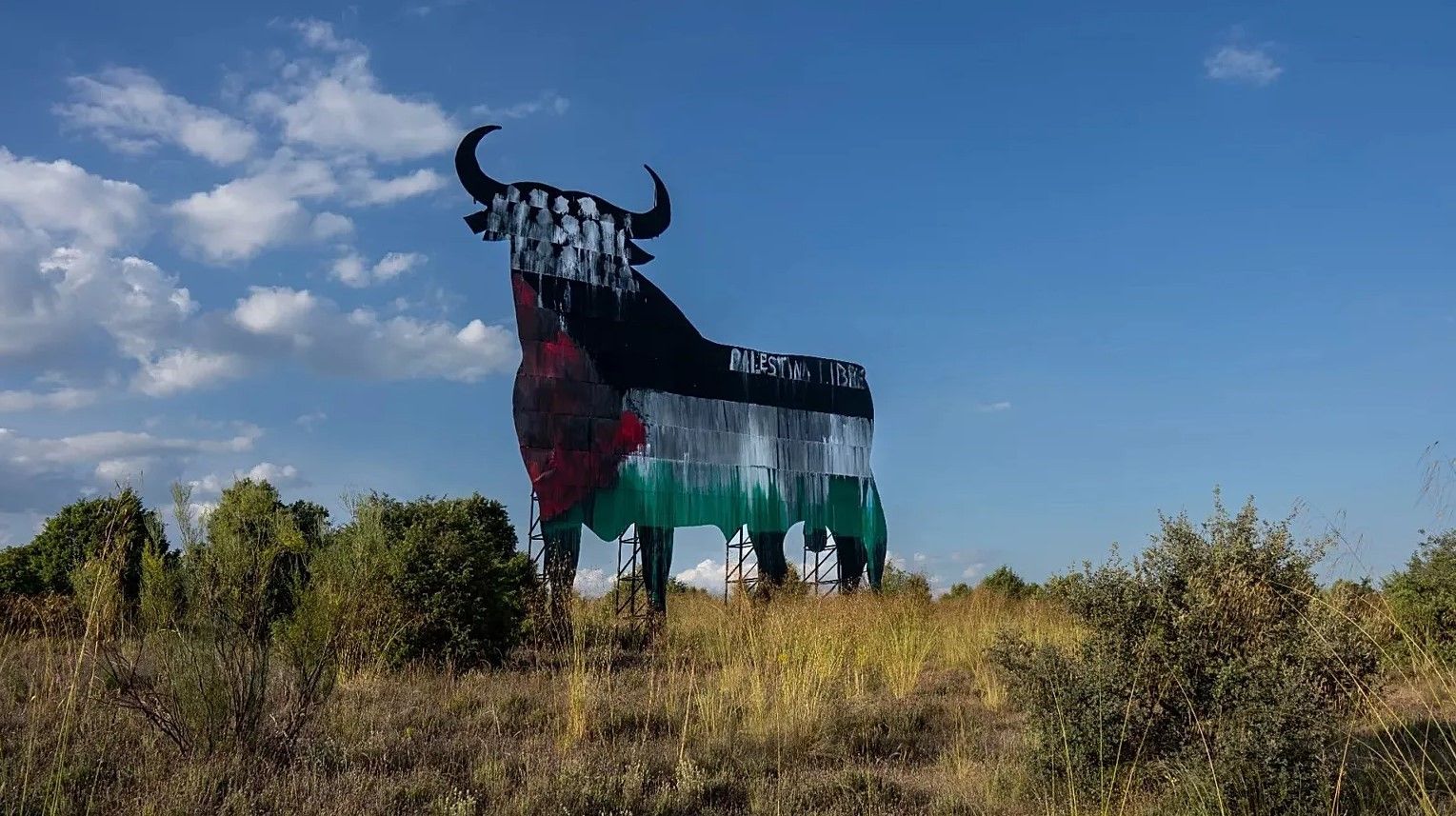
Sipas një sondazhi nga Instituti Mbretëror Elcano, 82% e spanjollëve të pyetur besojnë se Izraeli po kryen gjenocid kundër popullit palestinez në Gaza.
Pak më shumë se një javë më parë, demonstruesit pro-palestinezë ndërprenë garën e çiklizmit Vuelta për të kundërshtuar pjesëmarrjen e ekipit izraelit, transmeton Telegrafi.
Disa etapa u ndërprenë, pjesëmarrësit duhej të zbrisnin nga biçikletat para vijës së finishit dhe ceremonia përfundimtare u mbajt në një parking hoteli pa spektatorë.

Në të njëjtën kohë, kryeministri spanjoll Pedro Sánchez vuri në dyshim të drejtën e Izraelit për të marrë pjesë në gara ndërkombëtare, duke përmendur Rusinë si një shembull të një vendi të bllokuar nga ngjarje të tilla për shkak të luftës në Ukrainë.
Ai propozoi një sërë masash për të ushtruar presion mbi qeverinë izraelite, duke përfshirë formalizimin e një embargoje armësh, rritjen e ndihmës humanitare për Gazën dhe ndalimin e anijeve që transportojnë karburant për ushtrinë izraelite nga kalimi nëpër portet spanjolle.
Ky qëndrim pro-palestinez është pjesë e një tradite të gjatë miqësie midis Madridit dhe vendeve arabe, që shtrihet që nga vitet menjëherë pas Luftës së Dytë Botërore.
Trashëgimia historike
Që nga viti 1945, Spanja nën gjeneralin dhe diktatorin Francisco Franco ishte kryesisht e izoluar në skenën ndërkombëtare.
Vendi u përjashtua nga Kombet e Bashkuara për shkak të natyrës fashiste të diktaturës së Frankos dhe sepse Spanja, ndërsa zyrtarisht neutrale, kishte qenë politikisht e lidhur me Fuqitë e Boshtit dhe kishte ofruar mbështetje për Gjermaninë naziste.
Regjimi i Frankos kërkoi ta thyente këtë izolim duke krijuar lidhje më të ngushta me vendet në Amerikën e Jugut dhe vendet arabe, si Jordania, Arabia Saudite, Egjipti, Iraku dhe Libia.
Ishte fillimi i Luftës së Ftohtë që e shtyu qeverinë amerikane të ndryshonte qëndrimin e saj ndaj Spanjës së Frankos. Vendndodhja e saj gjeografike dhe qeveria antikomuniste u panë si asete të vlefshme në planet e "botës së lirë" dhe pasi paraqiti kërkesën e saj, Spanja u pranua zyrtarisht në OKB më 14 dhjetor 1955.

Franco gjithmonë refuzoi ta njihte Izraelin, "kryesisht për të fituar vota në Kombet e Bashkuara të monarkive konservatore arabe, por edhe të regjimit socialist të Naserit (në Egjipt), regjimit baathist të Sadam Huseinit në Irak dhe sepse Spanja kishte nevojë për vota për çështjet që kishin të bënin me dekolonizimin", tha për Euronews Rosa María Pardo Sanz, profesoreshë në Universitetin Kombëtar të Arsimit në Distancë (UNED) të Madridit.
Vendet arabe ia bënë më të lehtë regjimit të Francos "kapërcimin e krizave të naftës" dhe "balancimin e tensioneve me Marokun" mbi Saharën Perëndimore, tha Pardo Sanz.
Pas vdekjes së Francos në vitin 1975, Spanja i thelloi marrëdhëniet e saj me Palestinën dhe kryeministri Adolfo Suárez ishte një nga udhëheqësit e parë evropianë që priti kreun e Organizatës për Çlirimin e Palestinës (PLO), Yasser Arafat, në vitin 1979.
"PLO konsiderohej një organizatë e papranueshme ose edhe terroriste në vendet e tjera. Por në Spanjë, ishte krejtësisht normale", tha për Euronews, Isaías Barreñada Bajo, profesor i marrëdhënieve ndërkombëtare në Universitetin Complutense të Madridit.
Ndërsa Spanja ka mbajtur një konsullatë në Jerusalemin Lindor që nga vitet 1850, ajo nuk vendosi marrëdhënie zyrtare diplomatike me Izraelin deri në vitin 1986.

Kjo i dha Spanjës mundësinë të merrte rolin e ndërmjetësit në një përpjekje për të zgjidhur konfliktin e vazhdueshëm Izrael-Palestinë.
Ka faktorë të tjerë që mund të ndihmojnë në shpjegimin e nivelit të mbështetjes, midis publikut spanjoll dhe elitës politike ndaj kauzës palestineze.
Në vitet e 60-ta, disa studentë palestinezë, kryesisht burra, erdhën për të studiuar në Spanjë. Disa mbetën në vend, duke u martuar dhe duke krijuar familje.
"Në ditët e sotme, ka shumë profesionistë me origjinë palestineze në Spanjë, përfshirë në ekonomi dhe tregti. Nuk është një komunitet i madh, por është shumë i integruar dhe pjesë e peizazhit", tha Bajo.
Për shembull, Ministrja aktuale e Spanjës për të Rinjtë dhe Fëmijët, Sira Rego, lindi në vitin 1973 nga një baba palestinez dhe një nënë spanjolle.
Opinioni publik
Studimet tregojnë gjithashtu se mbështetja për kauzën palestineze është thellësisht e rrënjosur në popullsinë spanjolle.
Sipas një ankete të kryer nga Instituti Mbretëror Elcano dhe të publikuar në korrik 2025, 82% e spanjollëve të pyetur besojnë se Izraeli po kryen gjenocid kundër popullit palestinez në Gaza dhe 78% mbështesin njohjen zyrtare të shtetit të Palestinës nga shtetet evropiane.
Spanja, Irlanda dhe Norvegjia njohën zyrtarisht shtetësinë palestineze së bashku më 22 maj 2024, gjë që në atë kohë e çoi numrin e përgjithshëm të shteteve anëtare të OKB-së që bënë lëvizjen në 146 nga 193.
Isaías Barreñada Bajo thotë se ekziston një "konvergjencë midis pozicionit të qeverisë dhe pozicionit të popullit".

"Vendimi për të vendosur një embargo për shitjen e armëve në Izrael u mbështet për muaj të tërë nga më shumë se 500 organizata të shoqërisë civile spanjolle", tha Moussa Bourekba, një studiues në Qendrën e Barcelonës për Çështje Ndërkombëtare (CIDOB).
Ai shtoi se ekziston një "konsensus" dypartiak midis Partisë Popullore konservatore (PP) dhe Partisë Socialiste (PSOE) mbi faktin se "zgjidhja e konfliktit izraelito-palestinez përfshin domosdoshmërisht krijimin e një shteti palestinez".
Por pavarësisht këtij konsensusi të gjerë, duket se është hapur një çarje në muajt e fundit, ndërsa pro-palestinezët e Pedro Sánchez vazhdojnë të evoluojnë.
"Ne jemi në procesin e vëzhgimit të një forme instrumentalizimi të çështjes palestineze në një nivel të brendshëm, si nga anëtarë të caktuar të qeverisë ashtu edhe padyshim nga anëtarë të caktuar të partisë opozitare, Partisë Popullore dhe gjithashtu Vox, e djathta ekstreme spanjolle", tha Bourekba.
Ndërsa Vox është "pro-Izrael, si shumë parti evropiane të djathta ekstreme", rasti i PP, e cila kritikon vendimet e qeverisë për të përmbushur rolin e saj si opozita kryesore politike, është më kompleks.
Politika spanjolle
Kjo mbështetje për kauzën palestineze është "në përputhje me një parim të politikës së jashtme spanjolle që nga demokratizimi: respektimi i ligjit ndërkombëtar. Duhet të kujtojmë se shtetet kanë detyrimin të parandalojnë gjenocidin dhe të mos bashkëpunojnë në të", shpjegoi Isaías Barreñada Bajo.
Politika e brendshme gjithashtu luan një rol. Spanja aktualisht qeveriset nga një koalicion i përbërë nga Partia Socialiste (PSOE) dhe grupi radikal i krahut të majtë Sumar.
"Ky komponent i krahut të majtë në qeveri po ushtron presion mbi krahun socialist", thotë Bajo.
Ai gjithashtu theksoi se shumica e vendimeve për çështjen palestineze merren nga kryeministri dhe jo nga Ministri i Punëve të Jashtme.
"Është me të vërtetë një lojë fati që shkon përtej politikës së jashtme dhe luan me ekuilibrat e brendshëm politik", tha ai.
Qeveria po kërkon gjithashtu ta paraqesë Spanjën si një vend me "një qëndrim të pavarur dhe koherent", argumenton profesori.
"Çështja palestineze i jep asaj prestigj të konsiderueshëm, veçanërisht në Mesdhe dhe në Jugun global", tha Bajo, duke kujtuar fjalët e ish-Ministrit të Jashtëm të Francës, Dominique de Villepin, i cili, kur u pyet për situatën humanitare në Gaza, tha "Sot, kush po e shpëton nderin e Evropës në këtë rajon? Spanja".
Qëndrimi i Pedro Sánchez në favor të palestinezëve mund të shpjegohet edhe me vështirësitë e Bashkimit Evropian në ndërmarrjen e veprimeve, të minuara nga përçarjet e tij.
"Mendoj se perspektiva spanjolle bazohet në parimin se Bashkimi Evropian është plotësisht i paralizuar sepse shtetet anëtare janë absolutisht të paafta të miratojnë një qëndrim të përbashkët për këtë konflikt. Ende ka vende si Gjermania, Austria dhe Republika Çeke që mbështesin Izraelin, ose të paktën besojnë se dialogu me Izraelin duhet të vazhdojë për të gjetur një zgjidhje për këtë konflikt", tha Moussa Bourekba.
Vlen të përmendet se mbështetja për kauzën palestineze në Spanjë nuk është shoqëruar me një rritje të antisemitizmit, siç tregon sondazhi i Elcano-s.
Incidentet e dhunshme antisemite janë rritur në shtatë vende me komunitetet më të mëdha hebraike jashtë Izraelit, sipas raportit të Task Forcës J7 të Lidhjes Kundër Shpifjes (ADL) të publikuar në maj.
Këto vende në raportin J7 përfshijnë Gjermaninë, Francën, Mbretërinë e Bashkuar, SHBA-në, Kanadanë, Australinë dhe Argjentinën.
Sipas UNIA-s, institucionit publik të pavarur të Belgjikës që promovon barazinë dhe lufton diskriminimin, 277 persona raportuan akte antisemite dhe 79 hetime u hapën në vitin 2024, krahasuar me 59 në vitin 2023.
Komisioni Evropian dënoi "ata që po importojnë" luftën në Gaza në Evropë dhe do të "rrisë" mbrojtjen e qytetarëve hebrenj, tha një zëdhënës i Komisionit për Euronews javën e kaluar.
"Ne shohim një rritje shqetësuese të antisemitizmit, një trend që është krejtësisht i pajustifikueshëm", tha zëdhënësi, duke shtuar: "Ne qëndrojmë fort kundër të gjitha formave të antisemitizmit. Populli hebre duhet të ndihet i sigurt në të gjithë Evropën".
"Kjo lëvizje, si në nivel popullor ashtu edhe në atë qeveritar, ka qenë në gjendje të bëjë dallimin midis çështjes hebraike dhe çështjes izraelite. Në Spanjë, akuzimi i kritikëve të Shtetit të Izraelit për antisemitizëm nuk funksionon", shpjegoi Isaías Barreñada Bajo.
"Në debat, ne nuk flasim për hebrenjtë, ne flasim për izraelitët. Dhe ky ushtrim në përdorimin rigoroz të ideve dhe termave ka ndihmuar gjithashtu për të shmangur një përzierje të thjeshtëzuar. Dhe unë mendoj se kjo është një shprehje e një pjekurie të caktuar në opinionin publik dhe në debat", shtoi Barrenada Bajo. /Telegrafi/