


Në Prishtinë është mbajtur një konferencë e rëndësishme kushtuar pyjeve dhe menaxhimit të qëndrueshëm të tyre, si një nga pasuritë më të çmuara natyrore të Kosovës. Sipas të dhënave zyrtare, rreth 45 për qind e territorit të vendit është i mbuluar me pyje.
Në këtë konferencë morën pjesë ekspertë të mjedisit, përfaqësues të institucioneve vendore, si dhe organizata ndërkombëtare, të cilët diskutuan sfidat kryesore me të cilat përballen pyjet në Kosovë, përfshirë prerjet ilegale, ndikimin e ndryshimeve klimatike dhe nevojën për politika më efektive për mbrojtjen dhe shfrytëzimin e qëndrueshëm të tyre.
Qëllimi i konferencës ishte informimi dhe mobilizimi i të gjithë aktorëve relevantë, si dhe nxjerrja e rekomandimeve konkrete për ruajtjen afatgjatë të pyjeve dhe përmirësimin e cilësisë së menaxhimit në këtë sektor.
Ushtruesja e detyrës së Shefes së Zyrës së Bashkimit Evropian në Kosovë, Eva Palatova, tha se rëndësia e pyjeve është shndërruar në veprime konkrete, raporton Telegrafi.
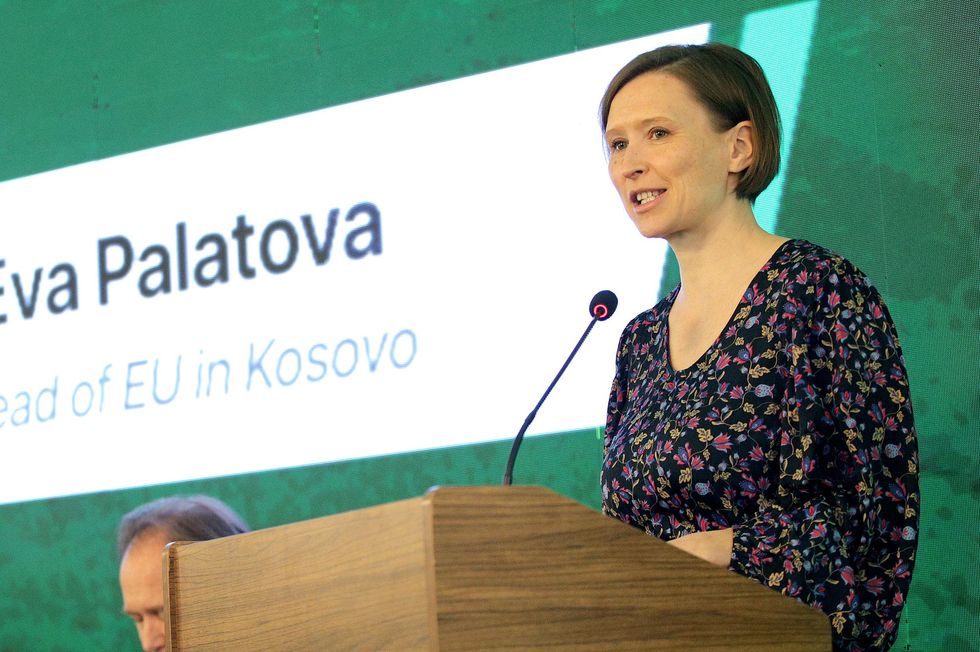 Foto: Ridvan Slivova/Telegrafi
“Përmes këtij programi, rëndësinë e pyjeve e kemi shndërruar në veprime konkrete – nga planet e reja të menaxhimit të pyjeve dhe zhvillimi i zinxhirëve të vlerës së produkteve jodrurore, te përmirësimi i legjislacionit, ngritja e kapaciteteve trajnuese dhe pajisja me mjete operative. Tashmë janë vendosur themelet, ndërsa investimi i qëndrueshëm kombëtar në njerëz dhe infrastrukturë është thelbësor për të ndërtuar më tej mbi këto rezultate”, tha Palatova.
Ambasadori i Suedisë në Kosovë, Jonas Westerlund, theksoi se pyjet e Kosovës përbëjnë një aset strategjik kombëtar.
“Sot shënojmë përmbylljen e programit për forcimin e menaxhimit të pyjeve, të zbatuar nga FAO dhe të bashkëfinancuar nga Bashkimi Evropian dhe Suedia. Pyjet e Kosovës janë një aset strategjik kombëtar, të rëndësishme për jetesën rurale, zhvillimin rural, biodiversitetin dhe qëndrueshmërinë ndaj ndryshimeve klimatike”, u shpreh Westerlund.
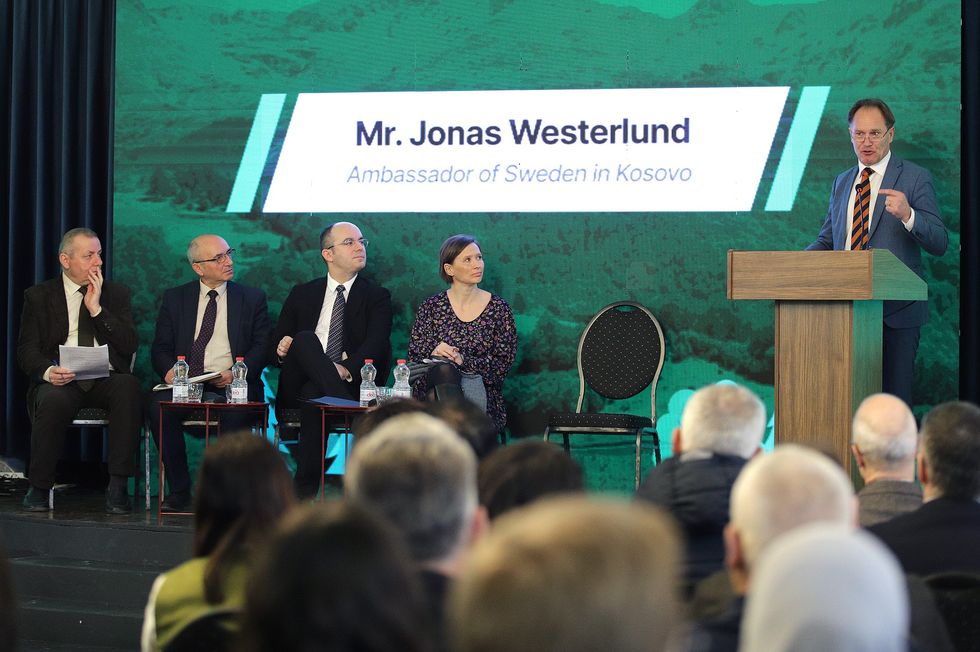 Foto: Ridvan Slivova/Telegrafi
Ministri në detyrë i Bujqësisë, Pylltarisë dhe Zhvillimit Rural, Imri Demelezi, deklaroi se ky projekt do të kontribuojë në një pasqyrë më të qartë për sfidat e ardhshme në sektorin pyjor.
“Në sektorin pyjor, falë këtij projekti që po përmbyllet sot, besojmë se në vitet në vijim do të kemi të dhëna edhe më të sakta për përqindjen dhe gjendjen e pyjeve në Kosovë, si dhe një kuptim më të qartë për sfidat me të cilat po përballemi dhe mënyrën se si t’i shfrytëzojmë në mënyrë efektive informacionet e ofruara nga ky program”, tha Demelezi.
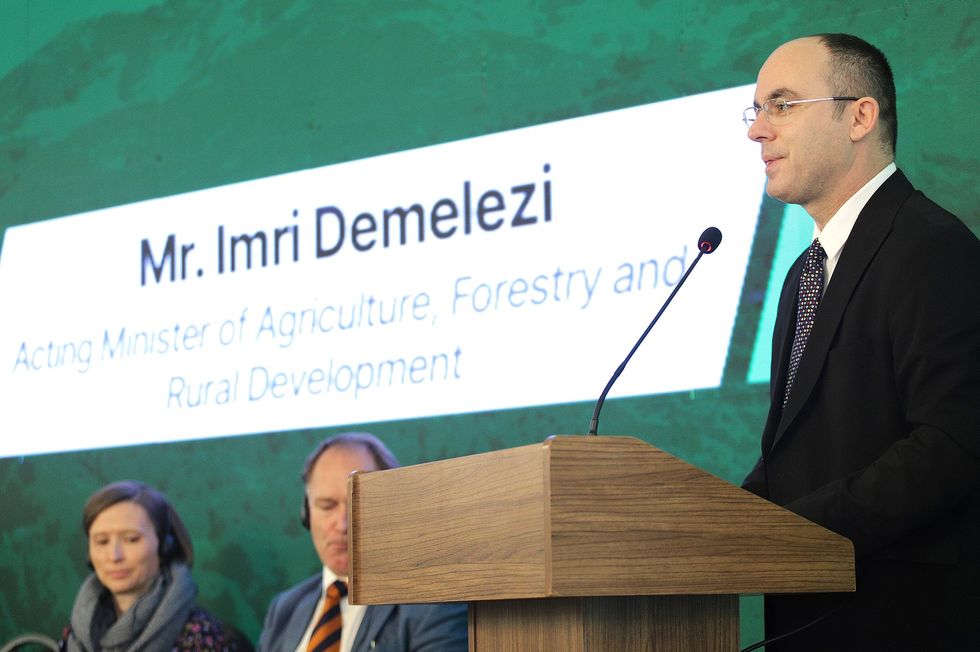 Foto: Ridvan Slivova/Telegrafi
Drejtori i Agjencisë së Pyjeve të Kosovës, Menderes Ibra, falënderoi donatorët dhe partnerët për mbështetjen e dhënë në realizimin e projektit.
“Në emër të stafit të Agjencisë së Pyjeve të Kosovës, dëshiroj t’i falënderoj donatorët e këtij projekti – Qeverinë e Suedisë dhe Bashkimin Evropian – si dhe Organizatën e Kombeve të Bashkuara për Ushqim dhe Bujqësi (FAO) për zbatimin e tij”, tha Ibra.
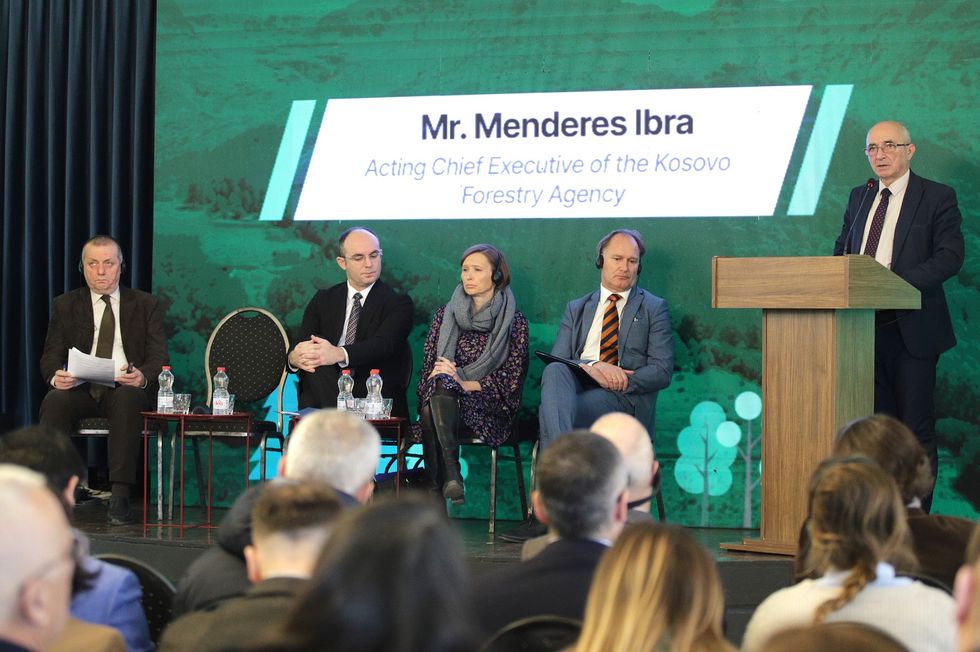 Foto: Ridvan Slivova/Telegrafi
Ndërkaq, Udhëheqësi i Zyrës Teknike të FAO REU, Ekrem Yazici, theksoi se qasjet tepër mbrojtëse në menaxhimin e pyjeve shpesh kanë rezultuar të pasuksesshme.
“Të kesh mbulim të lartë pyjor është një përparësi e madhe, por njëkohësisht paraqet edhe sfida të konsiderueshme në menaxhim, duke marrë parasysh kërkesat e komunitetit dhe të sektorëve të tjerë si turizmi, bujqësia, energjia, transporti dhe urbanizimi. Si pylltar, e theksoj se qasjet tepër mbrojtëse shpesh kanë dështuar. Përkundrazi, është e domosdoshme që sektori i pylltarisë të integrohet realisht me zhvillimet e sektorëve të tjerë”, u shpreh Yazici. /Telegrafi/
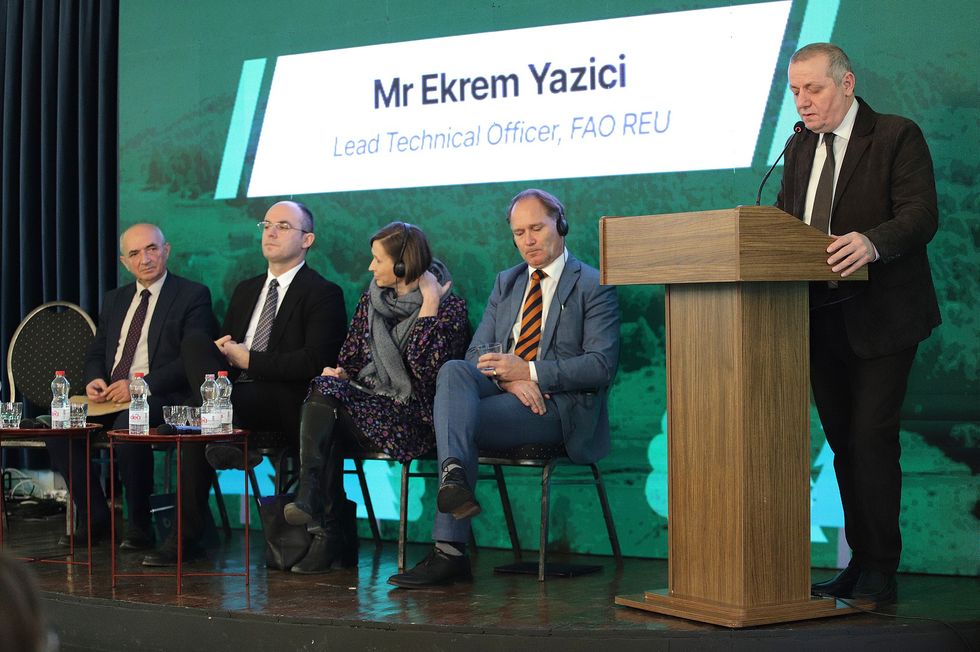 Foto: Ridvan Slivova/Telegrafi